

What Is the Cost of Throat Cancer in India?
Throat Cancer treatment in India typically ranges from $3,000 to $15,000 USD, depending on the hospital, city, and type of procedure.
Key Factors That Influence the Cost
- Type of Surgery: Transoral robotic surgery (TORS) versus organ-preserving intensity-modulated chemoradiotherapy (IMRT).
- Location and Facility: Tier-1 private hospitals in major medical hubs like Delhi NCR, Mumbai, or Bengaluru generally charge higher rates than regional or specialized centers.
- Hospital Stay: Length of time required in the Intensive Care Unit (ICU) and post-operative monitoring (3 to 5 days for TORS; outpatient daily visits for 6 to 7 weeks of radiation therapy).
- Pre- and Post-Op Care: Diagnostic imaging (Flexible fiberoptic nasopharyngolaryngoscopy with biopsy, neck MRI, and whole-body PET-CT scan), medication, and follow-up consultations.
- Implants and Consumables: Robotic instrumentation, enteral feeding tubes (PEG tube), and radiation immobilization masks.
Note: Final quotations must be confirmed with the hospital following a comprehensive review of your medical records.
Throat Cancer Cost Comparison Across Different Cities in India
Treatment costs for Throat Cancer remain highly competitive across India's premier medical hubs, including Delhi NCR, Mumbai, Chennai, Bengaluru, and Hyderabad.
Geographical cost variations between hospitals are driven by specific institutional and operational standards:
- Hospital Accreditation: Tertiary and quaternary hospitals accredited by JCI and NABH maintain specialized infrastructure including dedicated operating theaters and intensive care units.
- Surgeon & Specialist Standing: Senior Head and Neck Oncologists and Radiation Oncologists with high procedural volume and international training.
- Technological Capabilities: Centers equipped with advanced diagnostic and surgical systems such as Robotic instrumentation, enteral feeding tubes (PEG tube), and radiation immobilization masks.
- Local Living & Caregiver Expenses: Daily accommodation, transport, and food costs in metropolitan cities (higher in Mumbai and Delhi than in Chennai or Hyderabad).
Patients are advised to prioritize hospital accreditation and specialist expertise over minor cost differences between cities.
Our Services for Throat Cancer Treatment in India
Transparent, professional support—without the hassles.
Book Doctor Appointment
Choose a specialist and schedule a convenient consultation.
Video or In-person Consultation
Consult remotely or meet your doctor directly at the hospital.
Compare Cost Estimates
Review transparent estimates from suitable hospitals.
Hospitalisation Support
Get coordinated assistance throughout your hospital stay.
 WhatsApp Us
What Factors Affect the Cost of a Throat Cancer?
The overall cost of managing Throat Cancer in India varies according to patient-specific clinical requirements and procedural scope.
Key variables directly influencing the final treatment expenditure include:
- Primary Clinical Approach: Transoral robotic surgery (TORS), laser resection, or organ-sparing Intensity-Modulated Radiotherapy (IMRT).
- Pre-Treatment Staging & Investigations: Flexible fiberoptic nasopharyngolaryngoscopy with biopsy, neck MRI, and whole-body PET-CT scan.
- Surgical Implants & Technology: Use of specialized devices such as Robotic instrumentation, enteral feeding tubes (PEG tube), and radiation immobilization masks.
- Hospitalization Duration: Length of time in the ICU and room selection (twin sharing vs. private single room).
- Complication Risk Management: Potential clinical events requiring intervention, including Radiation mucositis, swallowing dysfunction, xerostomia (dry mouth), and temporary airway swelling.
- Post-Procedure Rehabilitation: 4 to 8 weeks for swallowing rehabilitation and tissue recovery.
Hospitals provide an itemized fee breakdown following a thorough review of the patient's diagnostic imaging and medical dossier.
Why Choose India for Throat Cancer Treatment?
India is a preferred destination for international patients seeking advanced, affordable clinical management for Throat Cancer.
Key reasons to choose India for treatment include:
- Expert Medical Specialists: Board-certified Head and Neck Oncologists and Radiation Oncologists with international fellowships and proven track records.
- Internationally Accredited Hospitals: Facilities certified by JCI and NABH upholding strict safety, hygiene, and patient-care protocols.
- State-of-the-Art Technology: Immediate access to advanced platforms including Robotic instrumentation, enteral feeding tubes (PEG tube), and radiation immobilization masks.
- Substantial Cost Savings: Treatment delivered at 60% to 80% lower cost compared to the United States, UK, or private Middle Eastern centers.
- Dedicated International Concierge: End-to-end support with medical visa invitation letters, language translators, airport pickups, and local stay arrangements.
- Zero Waiting Times: Fast-track specialist consultations, immediate diagnostic workups, and prompt procedural scheduling.
Note: Individual treatment candidacy and anticipated outcomes must be confirmed directly through a specialist clinical evaluation.
Top Doctors in India
Recommended Doctors for Throat Cancer Treatment














Top Hospitals in India
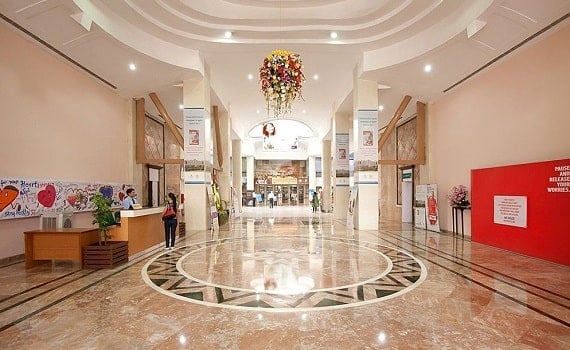
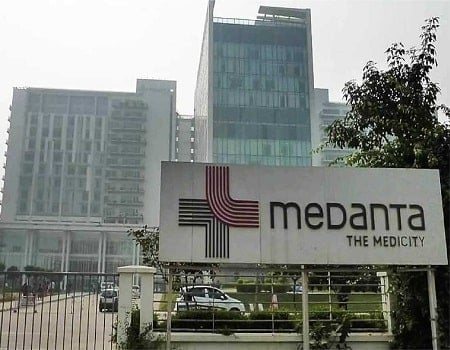
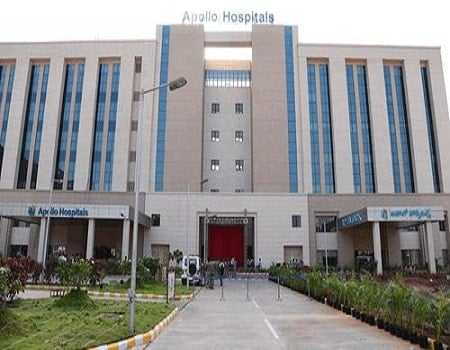
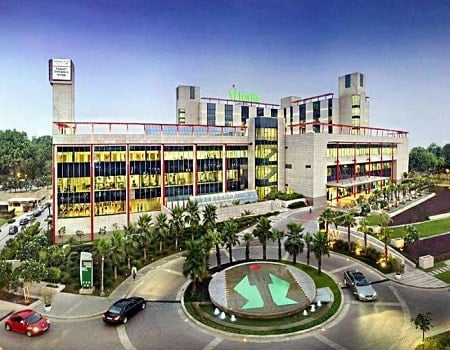
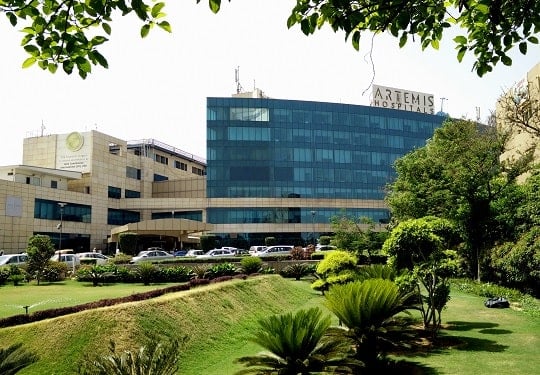
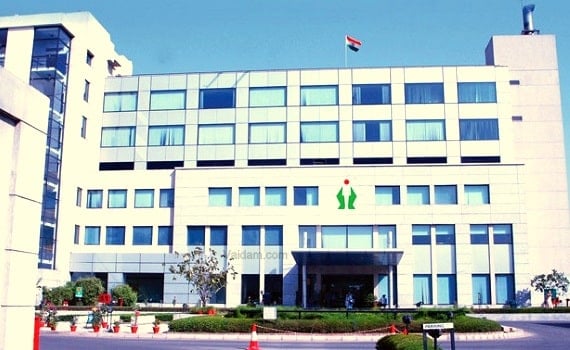
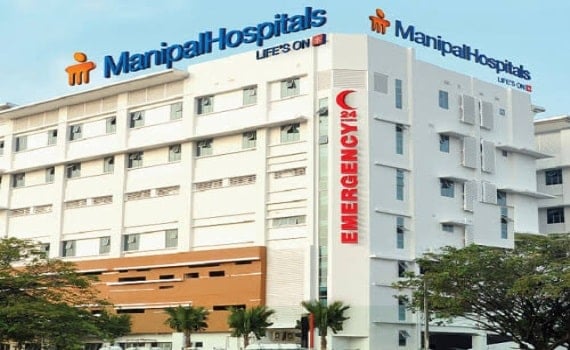
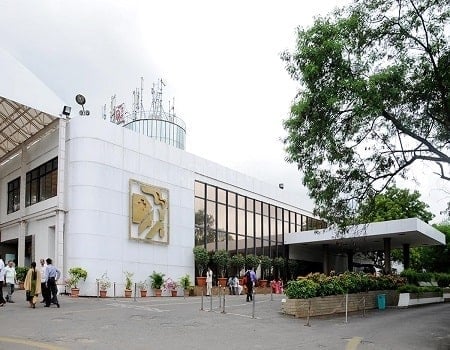
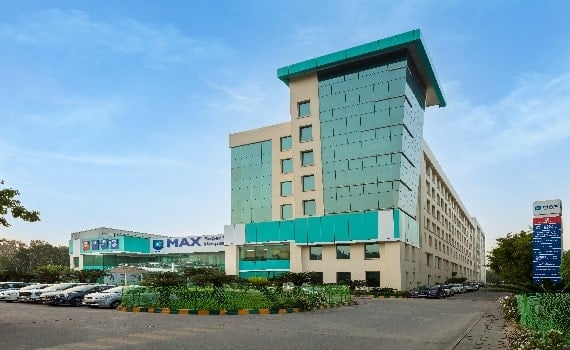
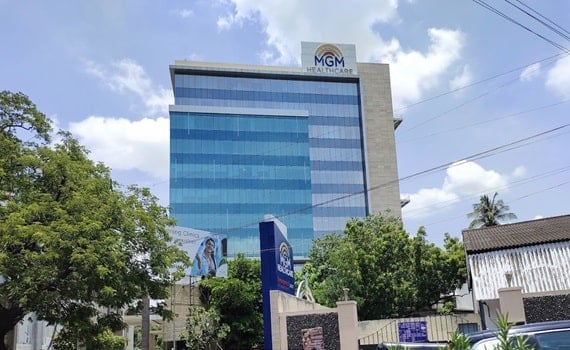
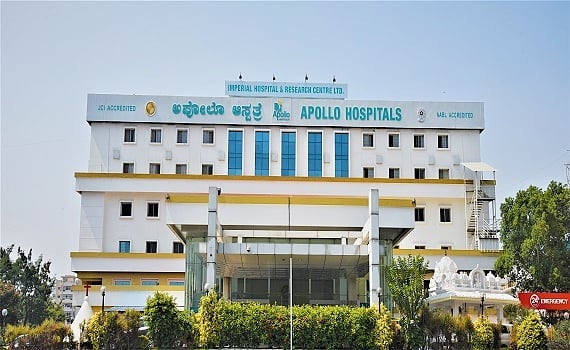
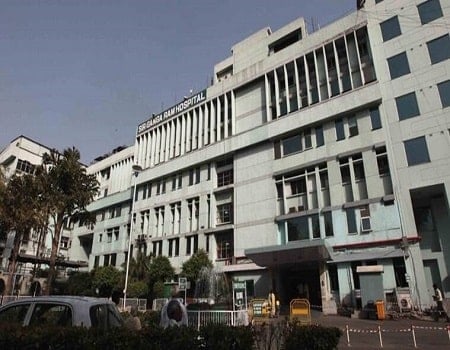
Recommended Hospitals for Throat Cancer Treatment


Frequently Asked Questions Related to Throat Cancer Treatment Cost in India
Throat Cancer is a medical condition treated in India through tailored interventions led by Head and Neck Oncologists and Radiation Oncologists.
Main treatment approaches include:
- Transoral Robotic Surgery (TORS): Scarless, mouth-access robotic excision of tonsillar, base-of-tongue, or pharyngeal tumors.
- Organ-Preserving Chemoradiation: Simultaneous cisplatin chemotherapy and IMRT/VMAT radiation to eliminate tumor while keeping speech intact.
- Partial/Total Pharyngolaryngectomy: Surgical resection reserved for advanced tumors with structural reconstruction.
Patients should consult a specialist if they experience symptoms indicating progressive Throat Cancer.
Common clinical warning signs include:
- Persistent Sore Throat & Hoarseness: Voice change or throat discomfort lasting longer than 3 weeks.
- Dysphagia & Odynophagia: Difficulty or severe pain while swallowing solid foods or liquids.
- Unilateral Neck Lump: Firm, painless cervical lymph node enlargement beneath the jaw.
A comprehensive pre-treatment diagnostic workup is conducted to evaluate disease severity and ensure patient safety.
Standard diagnostic investigations include:
- Primary Imaging & Staging: Flexible fiberoptic nasopharyngolaryngoscopy with biopsy, neck MRI, and whole-body PET-CT scan.
- Routine Laboratory Panels: Complete blood count, kidney and liver function tests, and coagulation profiles.
- Cardiopulmonary Fitness: Chest X-ray, electrocardiogram (ECG), and echocardiogram for anesthesia clearance.
Treatment for Throat Cancer is performed with modern anesthesia and multimodal pain management protocols to prevent procedural pain.
Comfort management protocols include:
- Intraoperative Anesthesia: General, regional, or local sedation administered by certified anesthesiologists.
- Post-Operative Analgesia: Targeted nerve blocks and intravenous patient-controlled analgesia (PCA).
- Oral Pain Relief: Scheduled anti-inflammatory and pain relief tablets upon discharge.
While treatments in accredited Indian hospitals carry high safety standards, recognized clinical risks must be acknowledged.
Potential complications include:
- Specific Clinical Risks: Radiation mucositis, swallowing dysfunction, xerostomia (dry mouth), and temporary airway swelling.
- General Surgical Risks: Infection, temporary bleeding, and adverse reactions to anesthesia.
- Hospital Risk Mitigation: Ultra-clean laminar-flow theaters, prophylactic antibiotics, and intensive post-op monitoring.
Recovery depends on whether the intervention was minimally invasive, medical, or open surgery.
Key recovery milestones include:
- Inpatient Hospital Stay: 3 to 5 days for TORS; outpatient daily visits for 6 to 7 weeks of radiation therapy.
- Local Stay for International Patients: 10 to 14 days in India for post-discharge reviews and fit-to-fly certification.
- Full Activity Resumption: 4 to 8 weeks for swallowing rehabilitation and tissue recovery.
Throat Cancer treatment in India typically ranges from $3,000 to $15,000 USD, depending on the hospital, city, and type of procedure.
Key Factors That Influence the Cost
- Type of Surgery: Transoral robotic surgery (TORS) versus organ-preserving intensity-modulated chemoradiotherapy (IMRT).
- Location and Facility: Tier-1 hospitals in Delhi NCR, Mumbai, or Bengaluru versus regional centers.
- Hospital Stay: Total inpatient days and intensive care monitoring (3 to 5 days for TORS; outpatient daily visits for 6 to 7 weeks of radiation therapy).
- Pre- and Post-Op Care: Diagnostic investigations (Flexible fiberoptic nasopharyngolaryngoscopy with biopsy, neck MRI, and whole-body PET-CT scan) and medications.
Hospital packages for international patients bundle the primary medical and surgical costs into a single transparent estimate.
Standard inclusions typically comprise:
- Procedural Fees: Surgeon, anesthesiologist, and operating room charges.
- Hospital Stay: Agreed number of inpatient days and routine nursing care.
- Standard Pharmacy: Routine medications and consumables used during the scheduled hospital stay.
- Airport Transfers: Complimentary airport pickup and drop-off arranged by the hospital international desk.
Yes, patients should budget for ancillary medical and travel-related expenses not included in the standard hospital quotation.
Additional expenses may include:
- Travel & Visas: Return international flights and medical visas for the patient and companion.
- Local Accommodation: Hotel or guest-house lodging for post-discharge outpatient monitoring.
- Unplanned Medical Needs: Extended ICU observation, treatment of unforeseen complications, and discharge take-home medicines.
International health insurance frequently covers medically necessary treatment for Throat Cancer in India if the hospital is an approved network provider.
Key insurance guidelines include:
- Prior Authorization: Patients must secure a guarantee of payment (GOP) before starting planned procedures.
- Cashless vs. Reimbursement: Direct cashless settlement is available with networked global insurers; otherwise, itemized bills are provided for claims.
- Dedicated Assistance: Top Indian hospitals feature international insurance desks to assist with policy approvals and documentation.
 Chat