

What Is the Cost of Thalassemia Treatment in India?
Thalassemia treatment in India typically ranges from $500 to $6,000 USD, depending on the hospital, city, and type of procedure.
Thalassaemia care follows one of two very different cost models:
- Lifelong supportive care: regular blood transfusions (every three to four weeks for thalassaemia major, per NHLBI), daily iron chelation tablets or infusions, and yearly monitoring of the heart, liver and hormones. Costs recur every year.
- Curative stem cell transplant: a one-time but much larger package, typically quoted separately, that ends the need for transfusions if successful.
Confirm whether any quote you receive covers a year of transfusion and chelation care or a transplant; they are not comparable.
Thalassaemia Major, Intermedia and Trait
Treatment depends on which form a person has:
- Thalassaemia trait (minor): a carrier state with mild or no anaemia; no treatment needed, but important for family planning.
- Thalassaemia intermedia / non-transfusion-dependent: occasional transfusions; iron can still build up and needs monitoring.
- Thalassaemia major / transfusion-dependent: regular transfusions from infancy plus chelation.
- Diagnosis: haemoglobin HPLC or electrophoresis, and genetic testing to identify the mutation and inform prenatal testing.
Our Services for Thalassemia Treatment in India
Transparent, professional support—without the hassles.
Book Doctor Appointment
Choose a specialist and schedule a convenient consultation.
Video or In-person Consultation
Consult remotely or meet your doctor directly at the hospital.
Compare Cost Estimates
Review transparent estimates from suitable hospitals.
Hospitalisation Support
Get coordinated assistance throughout your hospital stay.
 WhatsApp Us
Bone Marrow Transplant: Who Benefits Most
NHLBI describes stem cell transplant as the only treatment that can cure thalassaemia, but few people find a matched donor. Results are best when:
- The patient is young: children transplanted before iron has damaged the liver have the best outcomes.
- A matched sibling donor exists: unaffected siblings or those with thalassaemia trait can donate.
- Iron is well controlled: good chelation before transplant improves results.
Plan for about three months near the transplant centre, with fertility counselling beforehand.
Practical Support and Planning
Iron overload, not anaemia, causes most long-term damage, so chelation adherence and annual T2* MRI (heart and liver iron) matter as much as transfusions.
- Chelation options: deferasirox tablets daily, deferiprone, or deferoxamine infusions under the skin, often overnight.
- Newer option: luspatercept can reduce transfusion needs in some adults.
- In India: thalassaemia is a recognised disability under the Rights of Persons with Disabilities Act 2016, which can give access to certain benefits.
Indian hospitals commonly advertise savings of 60% to 80% compared with the United States, UK, or private Middle Eastern centers. Treat that as a general comparison rather than a verified figure for this treatment, and compare itemised written quotes.
Top Doctors in India
Recommended Doctors for Thalassemia Treatment


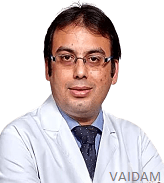
Dr. Satya Prakash Yadav
Director
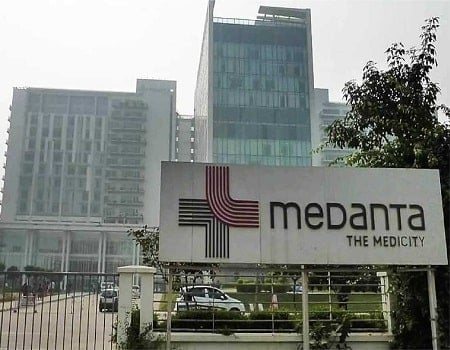
Paediatric HematologistMedanta - The Medicity, Gurgaon






Top Hospitals in India
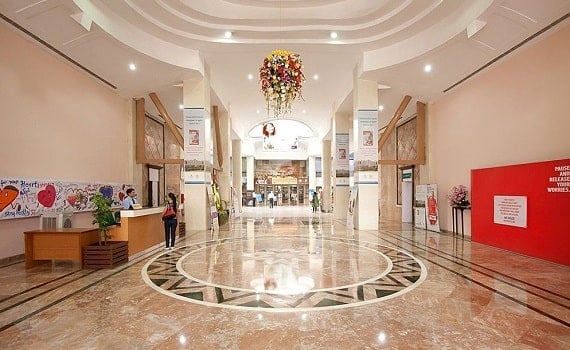
Recommended Hospitals for Thalassemia Treatment



Frequently Asked Questions Related to Thalassemia Treatment Cost in India
Yes, a successful stem cell transplant can cure it. Without a transplant, thalassaemia major is a lifelong condition managed with transfusions and iron chelation.
Lifelong transfusions and chelation add up every year. A transplant is a larger one-time cost that can end those recurring expenses if it succeeds.
Yes. Thalassaemia trait is a carrier state, not a disease. If both partners carry the trait, each pregnancy has a one-in-four chance of a child with thalassaemia major, so carrier testing and genetic counselling before or early in pregnancy are advised.
Luspatercept reduces transfusion needs in some adults, and gene therapies have been approved in some countries. Their availability and cost in India are limited; ask your haematologist.
For thalassaemia major, usually every three to four weeks, aiming to keep haemoglobin in a target range set by the treating team.
Each transfusion adds iron the body cannot remove. Without chelation, iron damages the heart, liver and hormone glands.
Thalassemia treatment in India typically ranges from $500 to $6,000 USD, depending on the hospital, city, and type of procedure.
Supportive care is an annual cost; a transplant is quoted as a separate package.
Outcomes are best in young children with a matched sibling donor, before iron overload has caused organ damage.
Yes, if they are an HLA match and healthy, a sibling with trait can be a donor.
Serum ferritin regularly and T2* MRI of the heart and liver, usually once a year in transfusion-dependent patients.
 Chat