

What Is the Cost of Thalassemia Treatment in Germany?
The cost of Thalassemia treatment in Germany typically ranges from $2,500 to $22,000 USD, depending on the hospital, city, and type of procedure.
Thalassaemia is an inherited blood disorder that reduces the production of haemoglobin. Severe types need lifelong treatment. In Germany, the total depends on:
- Blood transfusions: about monthly for beta thalassaemia major.
- Iron chelation: infusions or tablets to remove excess iron.
- Monitoring: heart, liver, hormone and bone checks.
- Stem cell or bone marrow transplant: in selected cases.
Lifelong transfusion and chelation costs build up over the years, and a transplant costs far more than this range.
Transfusions and Iron Removal in Thalassaemia
The NHS says people with thalassaemia major or other severe types usually need regular transfusions, about once a month for beta thalassaemia major, while milder types may need them only now and then.
Transfusions cause iron to build up and damage organs, so chelation is needed. Options include desferrioxamine infused under the skin over 8 to 12 hours on five or six days a week, deferiprone taken three times a day and deferasirox taken once a day.
Our Services for Thalassemia Treatment in Germany
Transparent, professional support—without the hassles.
Book Doctor Appointment
Choose a specialist and schedule a convenient consultation.
Video or In-person Consultation
Consult remotely or meet your doctor directly at the hospital.
Compare Cost Estimates
Review transparent estimates from suitable hospitals.
Hospitalisation Support
Get coordinated assistance throughout your hospital stay.
 WhatsApp Us
Transplant and Other Thalassaemia Care
A stem cell or bone marrow transplant is the only cure but is rarely done because of significant risks, mainly graft versus host disease.
Other care includes hormone treatment for delayed puberty, vaccinations, thyroid hormones, bisphosphonates for bone strength, gallbladder removal for gallstones and regular heart monitoring.
Thalassaemia Treatment in Germany
Regular transfusions need to continue near home, so international patients usually travel to Germany for a transplant assessment, a transplant or a specialist review. International patients are usually treated in Germany as self-paying patients: the hospital reviews the medical reports, sends a cost estimate and asks for an advance payment before admission, then settles the final bill after discharge.
A transplant involves a long hospital stay and follow-up, and is usually estimated separately from the assessment.
Top Doctors in Germany
Recommended Doctors for Thalassemia Treatment





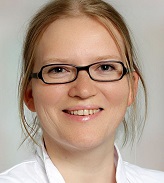
Dr. med. Judith Netherlands
Senior Consultant
Paediatric HematologistHelios Hospital, Berlin








Top Hospitals in Germany
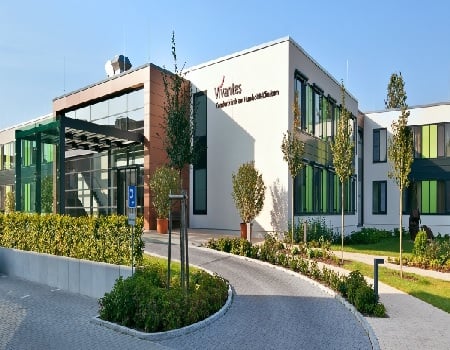
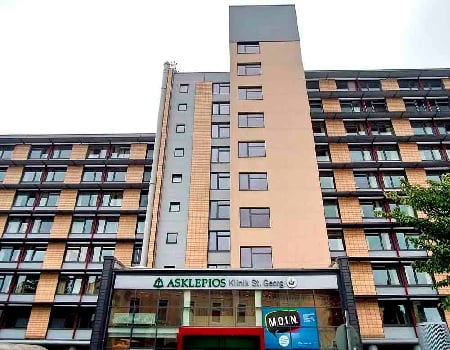
Recommended Hospitals for Thalassemia Treatment













Frequently Asked Questions Related to Thalassemia Treatment Cost in Germany
The NHS says beta thalassaemia major may need a transfusion about once a month. Milder types may need transfusions only occasionally.
Regular transfusions cause iron to build up, which can damage the heart, liver and glands. Chelation removes the extra iron.
Desferrioxamine is given as an infusion under the skin, while deferiprone and deferasirox are taken by mouth, according to the NHS. The choice depends on iron levels and side effects.
A stem cell or bone marrow transplant is the only cure. It is rarely done because of serious risks, mainly graft versus host disease.
The NHS says care is usually led by a team at a specialist thalassaemia centre. Treatment continues for life.
Iron overload from repeated transfusions can affect the heart. The NHS lists regular heart monitoring as part of thalassaemia care.
The cost of Thalassemia treatment in Germany typically ranges from $2,500 to $22,000 USD, depending on the hospital, city, and type of procedure.
Delayed puberty, thyroid problems, weak bones and gallstones may need hormones, bisphosphonates or surgery. Regular checks look for these.
Yes, vaccinations are part of routine thalassaemia care according to the NHS. They help protect against infections.
Transfusions and chelation must continue regularly near home, so they are rarely arranged abroad. A transplant assessment or treatment is a defined episode that can be planned and estimated.
 Chat