

What Is the Cost of Testicular Cancer in India?
Testicular Cancer treatment in India typically ranges from $3,000 to $15,000 USD, depending on the hospital, city, and type of procedure.
Key Factors That Influence the Cost
- Type of Surgery: Radical inguinal orchiectomy and nerve-sparing retroperitoneal lymph node dissection (RPLND) versus BEP chemotherapy.
- Location and Facility: Tier-1 private hospitals in major medical hubs like Delhi NCR, Mumbai, or Bengaluru generally charge higher rates than regional or specialized centers.
- Hospital Stay: Length of time required in the Intensive Care Unit (ICU) and post-operative monitoring (1 to 2 days for orchiectomy; 3 to 5 days for RPLND).
- Pre- and Post-Op Care: Diagnostic imaging (High-frequency scrotal color Doppler ultrasound, serum tumor markers (AFP, beta-hCG, LDH), and contrast CT chest/abdomen), medication, and follow-up consultations.
- Implants and Consumables: Saline-filled silicone testicular prostheses, micro-vascular clips, and central chemotherapy lines.
Note: Final quotations must be confirmed with the hospital following a comprehensive review of your medical records.
Testicular Cancer Cost Comparison Across Different Cities in India
Treatment costs for Testicular Cancer remain highly competitive across India's premier medical hubs, including Delhi NCR, Mumbai, Chennai, Bengaluru, and Hyderabad.
Geographical cost variations between hospitals are driven by specific institutional and operational standards:
- Hospital Accreditation: Tertiary and quaternary hospitals accredited by JCI and NABH maintain specialized infrastructure including dedicated operating theaters and intensive care units.
- Surgeon & Specialist Standing: Senior Urologic Oncologists and Andrologists with high procedural volume and international training.
- Technological Capabilities: Centers equipped with advanced diagnostic and surgical systems such as Saline-filled silicone testicular prostheses, micro-vascular clips, and central chemotherapy lines.
- Local Living & Caregiver Expenses: Daily accommodation, transport, and food costs in metropolitan cities (higher in Mumbai and Delhi than in Chennai or Hyderabad).
Patients are advised to prioritize hospital accreditation and specialist expertise over minor cost differences between cities.
Our Services for Testicular Cancer Treatment in India
Transparent, professional support—without the hassles.
Book Doctor Appointment
Choose a specialist and schedule a convenient consultation.
Video or In-person Consultation
Consult remotely or meet your doctor directly at the hospital.
Compare Cost Estimates
Review transparent estimates from suitable hospitals.
Hospitalisation Support
Get coordinated assistance throughout your hospital stay.
 WhatsApp Us
What Factors Affect the Cost of a Testicular Cancer?
The overall cost of managing Testicular Cancer in India varies according to patient-specific clinical requirements and procedural scope.
Key variables directly influencing the final treatment expenditure include:
- Primary Clinical Approach: Radical inguinal orchiectomy, nerve-sparing retroperitoneal lymph node dissection (RPLND), and BEP chemotherapy.
- Pre-Treatment Staging & Investigations: High-frequency scrotal color Doppler ultrasound, serum tumor markers (AFP, beta-hCG, LDH), and contrast CT chest/abdomen.
- Surgical Implants & Technology: Use of specialized devices such as Saline-filled silicone testicular prostheses, micro-vascular clips, and central chemotherapy lines.
- Hospitalization Duration: Length of time in the ICU and room selection (twin sharing vs. private single room).
- Complication Risk Management: Potential clinical events requiring intervention, including Scrotal hematoma, transient lower limb edema, retrograde ejaculation (minimized by nerve-sparing surgery), and neuropathy.
- Post-Procedure Rehabilitation: 2 to 3 weeks for work resumption; long-term surveillance with periodic tumor marker testing.
Hospitals provide an itemized fee breakdown following a thorough review of the patient's diagnostic imaging and medical dossier.
Why Choose India for Testicular Cancer Treatment?
India is a preferred destination for international patients seeking advanced, affordable clinical management for Testicular Cancer.
Key reasons to choose India for treatment include:
- Expert Medical Specialists: Board-certified Urologic Oncologists and Andrologists with international fellowships and proven track records.
- Internationally Accredited Hospitals: Facilities certified by JCI and NABH upholding strict safety, hygiene, and patient-care protocols.
- State-of-the-Art Technology: Immediate access to advanced platforms including Saline-filled silicone testicular prostheses, micro-vascular clips, and central chemotherapy lines.
- Substantial Cost Savings: Treatment delivered at 60% to 80% lower cost compared to the United States, UK, or private Middle Eastern centers.
- Dedicated International Concierge: End-to-end support with medical visa invitation letters, language translators, airport pickups, and local stay arrangements.
- Zero Waiting Times: Fast-track specialist consultations, immediate diagnostic workups, and prompt procedural scheduling.
Note: Individual treatment candidacy and anticipated outcomes must be confirmed directly through a specialist clinical evaluation.
Top Doctors in India
Recommended Doctors for Testicular Cancer Treatment




Top Hospitals in India
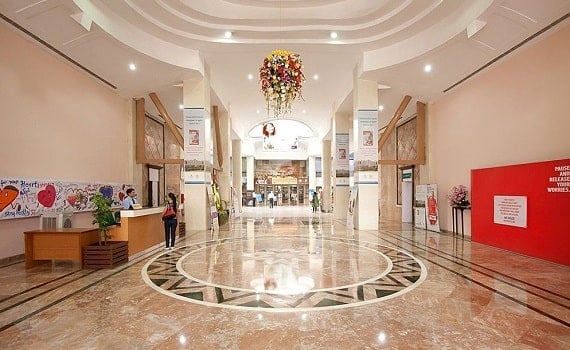
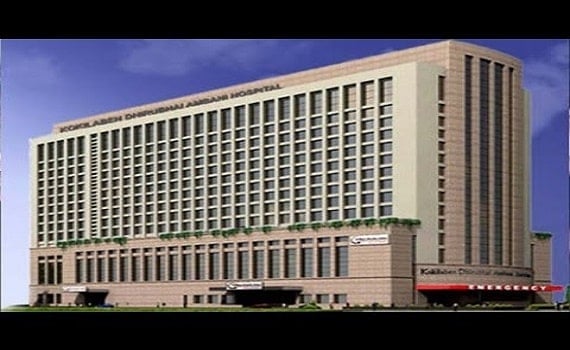
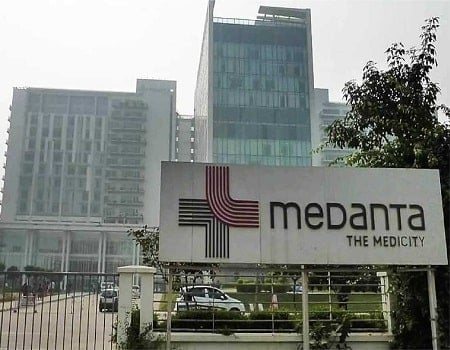
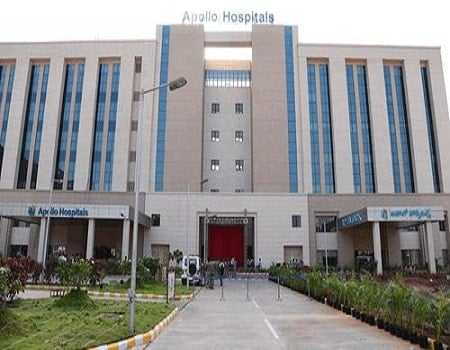
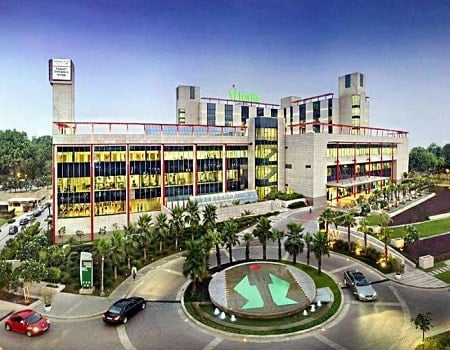
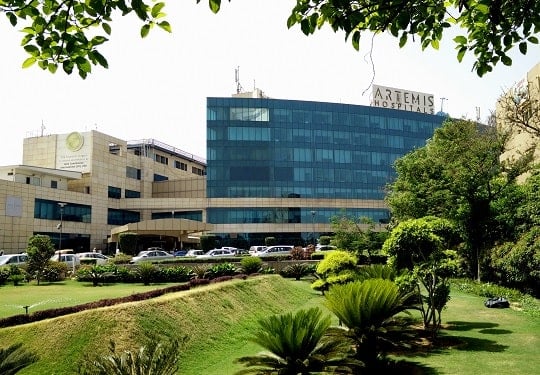
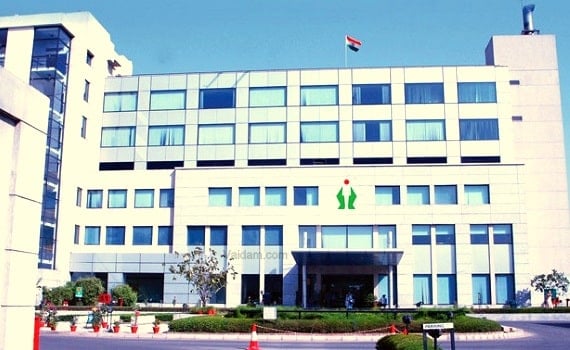
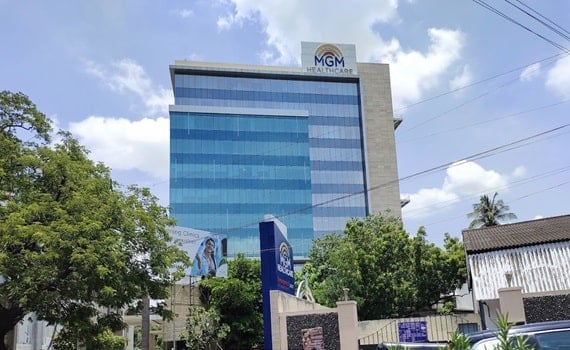
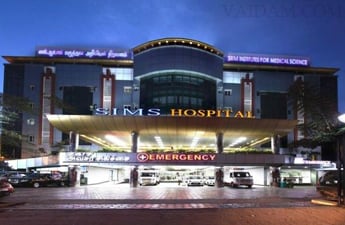
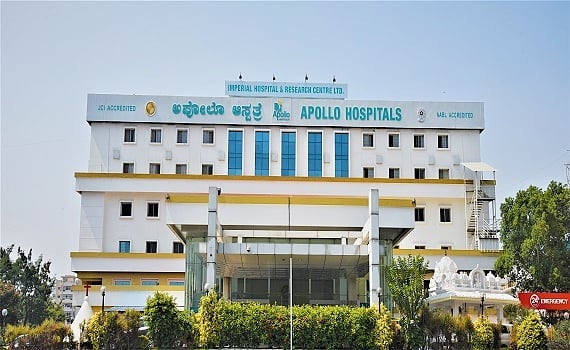
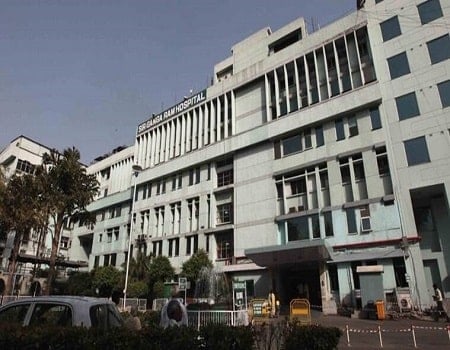
Recommended Hospitals for Testicular Cancer Treatment
Frequently Asked Questions Related to Testicular Cancer Treatment Cost in India
Testicular Cancer is a medical condition treated in India through tailored interventions led by Urologic Oncologists and Andrologists.
Main treatment approaches include:
- Radical Inguinal Orchiectomy: Primary surgical removal of the affected testicle and spermatic cord through a groin incision.
- Nerve-Sparing RPLND: Laparoscopic or open removal of retroperitoneal lymph nodes preserving nerves controlling ejaculation.
- Adjuvant BEP Chemotherapy: Bleomycin, etoposide, and cisplatin chemotherapy achieving cure rates exceeding 95% in non-seminomas.
Patients should consult a specialist if they experience symptoms indicating progressive Testicular Cancer.
Common clinical warning signs include:
- Painless Testicular Lump: Firm, hard nodule or swelling felt inside the testicle, often found during self-exam.
- Scrotal Heaviness or Dull Ache: Dragging sensation or dull ache in the lower abdomen, groin, or scrotum.
- Gynecomastia or Tenderness: Breast enlargement or tenderness caused by elevated beta-hCG production.
A comprehensive pre-treatment diagnostic workup is conducted to evaluate disease severity and ensure patient safety.
Standard diagnostic investigations include:
- Primary Imaging & Staging: High-frequency scrotal color Doppler ultrasound, serum tumor markers (AFP, beta-hCG, LDH), and contrast CT chest/abdomen.
- Routine Laboratory Panels: Complete blood count, kidney and liver function tests, and coagulation profiles.
- Cardiopulmonary Fitness: Chest X-ray, electrocardiogram (ECG), and echocardiogram for anesthesia clearance.
Treatment for Testicular Cancer is performed with modern anesthesia and multimodal pain management protocols to prevent procedural pain.
Comfort management protocols include:
- Intraoperative Anesthesia: General, regional, or local sedation administered by certified anesthesiologists.
- Post-Operative Analgesia: Targeted nerve blocks and intravenous patient-controlled analgesia (PCA).
- Oral Pain Relief: Scheduled anti-inflammatory and pain relief tablets upon discharge.
While treatments in accredited Indian hospitals carry high safety standards, recognized clinical risks must be acknowledged.
Potential complications include:
- Specific Clinical Risks: Scrotal hematoma, transient lower limb edema, retrograde ejaculation (minimized by nerve-sparing surgery), and neuropathy.
- General Surgical Risks: Infection, temporary bleeding, and adverse reactions to anesthesia.
- Hospital Risk Mitigation: Ultra-clean laminar-flow theaters, prophylactic antibiotics, and intensive post-op monitoring.
Recovery depends on whether the intervention was minimally invasive, medical, or open surgery.
Key recovery milestones include:
- Inpatient Hospital Stay: 1 to 2 days for orchiectomy; 3 to 5 days for RPLND.
- Local Stay for International Patients: 10 to 14 days in India for post-discharge reviews and fit-to-fly certification.
- Full Activity Resumption: 2 to 3 weeks for work resumption; long-term surveillance with periodic tumor marker testing.
Testicular Cancer treatment in India typically ranges from $3,000 to $15,000 USD, depending on the hospital, city, and type of procedure.
Key Factors That Influence the Cost
- Type of Surgery: Radical inguinal orchiectomy and nerve-sparing retroperitoneal lymph node dissection (RPLND) versus BEP chemotherapy.
- Location and Facility: Tier-1 hospitals in Delhi NCR, Mumbai, or Bengaluru versus regional centers.
- Hospital Stay: Total inpatient days and intensive care monitoring (1 to 2 days for orchiectomy; 3 to 5 days for RPLND).
- Pre- and Post-Op Care: Diagnostic investigations (High-frequency scrotal color Doppler ultrasound, serum tumor markers (AFP, beta-hCG, LDH), and contrast CT chest/abdomen) and medications.
Hospital packages for international patients bundle the primary medical and surgical costs into a single transparent estimate.
Standard inclusions typically comprise:
- Procedural Fees: Surgeon, anesthesiologist, and operating room charges.
- Hospital Stay: Agreed number of inpatient days and routine nursing care.
- Standard Pharmacy: Routine medications and consumables used during the scheduled hospital stay.
- Airport Transfers: Complimentary airport pickup and drop-off arranged by the hospital international desk.
Yes, patients should budget for ancillary medical and travel-related expenses not included in the standard hospital quotation.
Additional expenses may include:
- Travel & Visas: Return international flights and medical visas for the patient and companion.
- Local Accommodation: Hotel or guest-house lodging for post-discharge outpatient monitoring.
- Unplanned Medical Needs: Extended ICU observation, treatment of unforeseen complications, and discharge take-home medicines.
International health insurance frequently covers medically necessary treatment for Testicular Cancer in India if the hospital is an approved network provider.
Key insurance guidelines include:
- Prior Authorization: Patients must secure a guarantee of payment (GOP) before starting planned procedures.
- Cashless vs. Reimbursement: Direct cashless settlement is available with networked global insurers; otherwise, itemized bills are provided for claims.
- Dedicated Assistance: Top Indian hospitals feature international insurance desks to assist with policy approvals and documentation.
 Chat