

What Is the Cost of Spasticity Treatment in India?
Spasticity treatment in India typically ranges from $500 to $6,000 USD, depending on the hospital, city, and type of procedure.
Spasticity is muscle stiffness caused by damage to the brain or spinal cord, for example after stroke, spinal cord injury, multiple sclerosis, cerebral palsy or brain injury. Cost depends mainly on which level of treatment is needed:
- Therapy and oral medicines: physiotherapy, stretching, splints and drugs such as baclofen or tizanidine.
- Botulinum toxin injections: targeted to specific muscles; the effect wears off, so injections are repeated.
- Intrathecal baclofen (ITB) pump: an implanted device; the pump itself is expensive and refills continue for life.
- Orthopaedic or neurosurgical procedures: such as tendon lengthening or selective dorsal rhizotomy (SDR) in selected children with cerebral palsy.
An ITB pump implant usually costs more than the upper end of the range above; ask for a separate itemised quote if it is being considered.
The Step-Up Approach to Managing Spasticity
According to the American Association of Neurological Surgeons (AANS), treatment usually moves from the least invasive options to more intensive ones only if needed:
- Physical and occupational therapy: stretching, positioning and strengthening are the base of every plan.
- Oral medicines: baclofen, tizanidine, dantrolene and benzodiazepines; drowsiness and weakness can limit doses.
- Botulinum toxin: relaxes chosen muscles for roughly 12 to 16 weeks per injection, according to AANS.
- Intrathecal baclofen: delivers the drug directly to the spinal fluid, so much smaller doses are needed; a trial injection is done first.
- Selective dorsal rhizotomy: cuts selected sensory nerve rootlets in the lower spine, mainly for children with spastic cerebral palsy.
Our Services for Spasticity Treatment in India
Transparent, professional support—without the hassles.
Book Doctor Appointment
Choose a specialist and schedule a convenient consultation.
Video or In-person Consultation
Consult remotely or meet your doctor directly at the hospital.
Compare Cost Estimates
Review transparent estimates from suitable hospitals.
Hospitalisation Support
Get coordinated assistance throughout your hospital stay.
 WhatsApp Us
Setting Realistic Goals for Spasticity Treatment
Spasticity is not always harmful: some people use leg stiffness to help them stand or transfer. Good treatment starts with agreed goals, such as:
- Easier walking or transfers: reducing stiffness without removing useful tone.
- Less pain and fewer spasms: especially at night.
- Easier care: dressing, hygiene and positioning in a wheelchair.
- Preventing contractures: permanent shortening of muscles and tendons that later needs surgery.
Measuring progress against these goals helps decide whether to continue, add or stop a treatment.
Planning a Spasticity Treatment Visit
The length of stay depends on the procedure.
- Assessment and Botox: a few days for review, injections and a therapy plan.
- ITB pump: screening trial, implantation and dose adjustment, usually needing a longer stay; plan how refills will be done at home before choosing it.
- SDR: surgery followed by intensive physiotherapy for many months, much of it at home.
- Bring: videos of walking or spasms at home, previous scans, and records of past Botox doses.
Top Doctors in India
Recommended Doctors for Spasticity Treatment






Top Hospitals in India
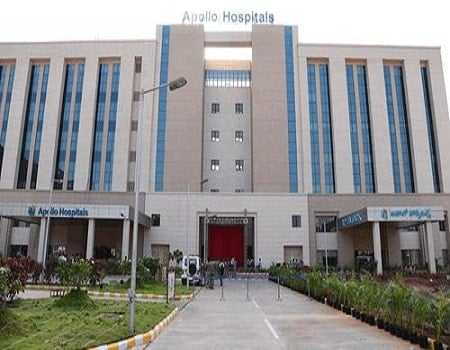
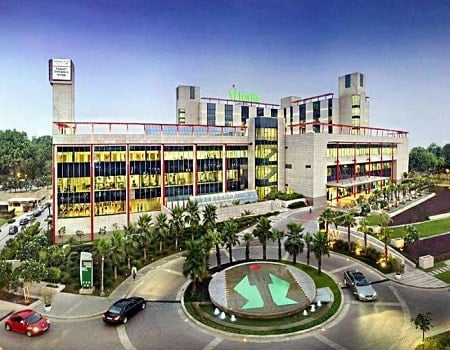
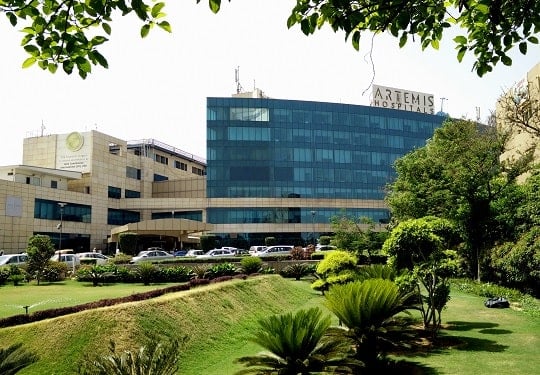
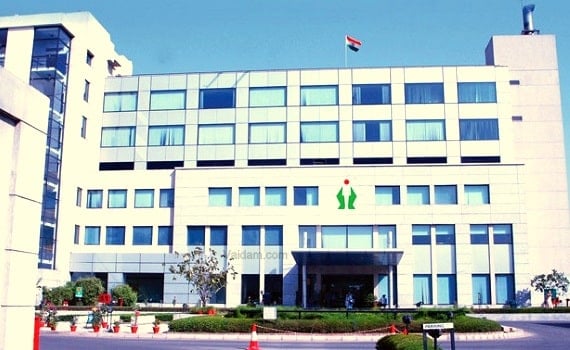
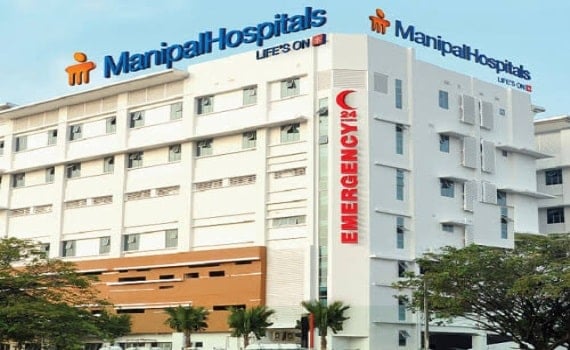
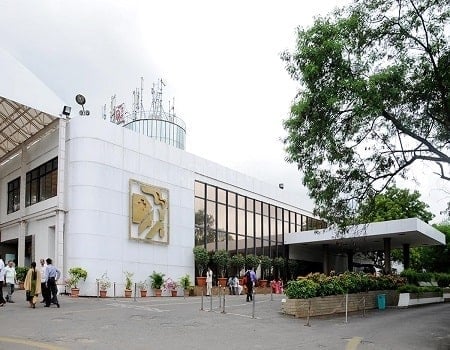
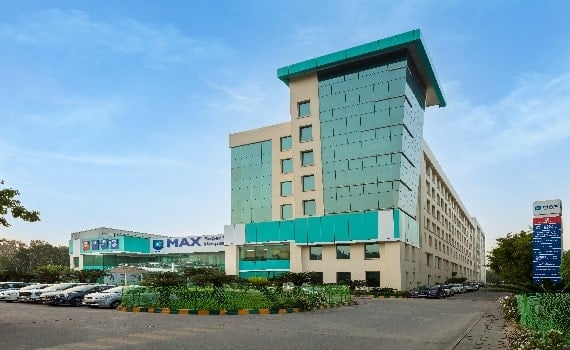
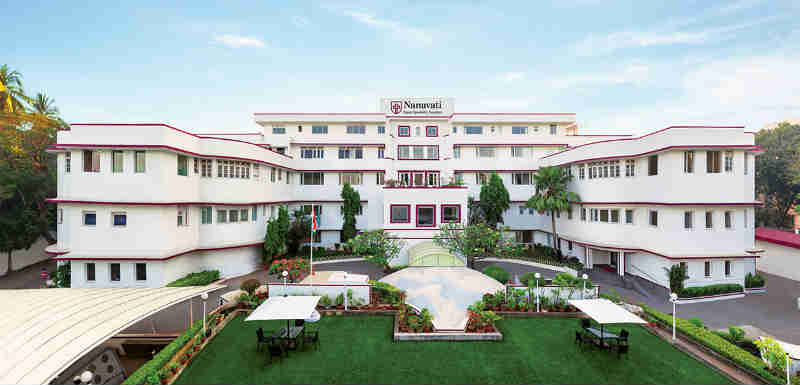
Recommended Hospitals for Spasticity Treatment

Frequently Asked Questions Related to Spasticity Treatment Cost in India
Damage to the nerve pathways that control muscle tone in the brain or spinal cord, for example from stroke, spinal cord injury, multiple sclerosis, cerebral palsy or traumatic brain injury.
Usually not, because the underlying nerve damage remains. It can, however, often be reduced enough to improve comfort, movement and care.
AANS reports the effect lasts roughly 12 to 16 weeks, after which injections can be repeated.
A small pump placed under the skin of the abdomen that delivers baclofen through a thin tube into the spinal fluid. It is refilled at regular intervals.
Mainly children with spastic cerebral palsy affecting the legs who have good underlying strength and can commit to long-term physiotherapy.
No. Stopping oral or pump baclofen abruptly can cause dangerous withdrawal; any change should be supervised by a doctor.
Spasticity treatment in India typically ranges from $500 to $6,000 USD, depending on the hospital, city, and type of procedure.
An intrathecal baclofen pump is usually priced separately and can exceed this range.
Yes. Regular stretching, positioning and strengthening are the foundation of treatment and make medicines and injections work better.
Spasticity increases with faster movement and comes from damage to motor pathways; rigidity, as in Parkinson's disease, is constant stiffness throughout movement.
When therapy, medicines and injections do not meet the goals, or when fixed contractures have developed that need tendon or muscle lengthening.
 Chat