

What Is the Cost of Soft Tissue Sarcoma Treatment in Germany?
The cost of Soft Tissue Sarcoma treatment in Germany typically ranges from $18,000 to $70,000 USD, depending on the hospital, city, and type of procedure.
Soft tissue sarcomas are rare cancers of the body's supporting tissues, such as fat, muscle, nerves and blood vessels. In Germany, the total depends on:
- Surgery: often limb-sparing.
- Radiotherapy: before or after surgery.
- Chemotherapy or targeted drugs: depending on the type of sarcoma.
- Specialist follow-up: with scans over several years.
Cancer treatment costs depend on the stage and the treatments needed. A full course of care can cost more than this range, so ask what each estimate includes.
Soft Tissue Sarcoma: Where It Arises and Warning Signs
Macmillan Cancer Support explains that soft tissue sarcomas most often start in the arms and legs but can also arise in the abdomen, womb, bowel, skin or head and neck.
A lump that is growing, larger than 5 cm or painful should be checked. Types include leiomyosarcoma, rhabdomyosarcoma, gastrointestinal stromal tumour (GIST) and Kaposi sarcoma.
Our Services for Soft Tissue Sarcoma Treatment in Germany
Transparent, professional support—without the hassles.
Book Doctor Appointment
Choose a specialist and schedule a convenient consultation.
Video or In-person Consultation
Consult remotely or meet your doctor directly at the hospital.
Compare Cost Estimates
Review transparent estimates from suitable hospitals.
Hospitalisation Support
Get coordinated assistance throughout your hospital stay.
 WhatsApp Us
Soft Tissue Sarcoma Treatment and Follow-Up
Surgery is the most common treatment, and limb-sparing surgery is often possible. Radiotherapy may be given before surgery to shrink the tumour or after it to lower the risk of recurrence.
Chemotherapy depends on the type and risk, and targeted drugs such as imatinib are used for GIST. Macmillan advises treatment at a specialist sarcoma unit, with follow-up usually every few months for two years and then yearly.
Soft Tissue Sarcoma Treatment in Germany
Because sarcomas are rare and varied, international patients often seek a review of the pathology by a sarcoma team before treatment. International patients are usually treated in Germany as self-paying patients: the hospital reviews the medical reports, sends a cost estimate and asks for an advance payment before admission, then settles the final bill after discharge.
The federal Bundes-Klinik-Atlas, launched in May 2024, shows hospital case numbers by department, nursing staff levels and selected certificates.
Top Hospitals in Germany
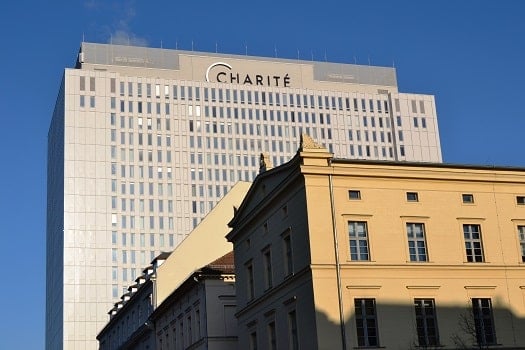
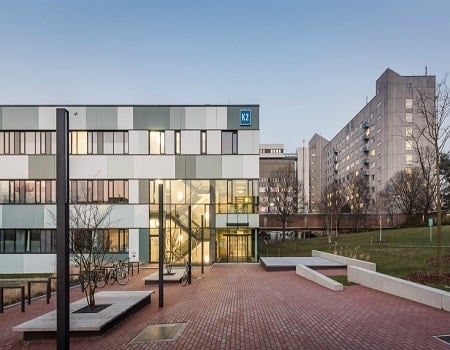
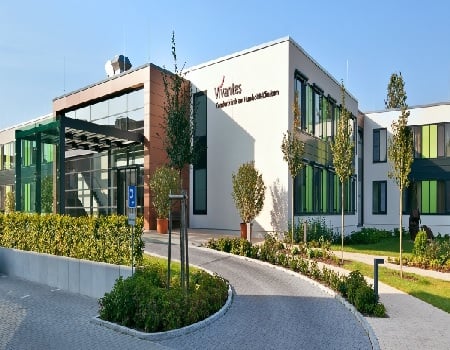
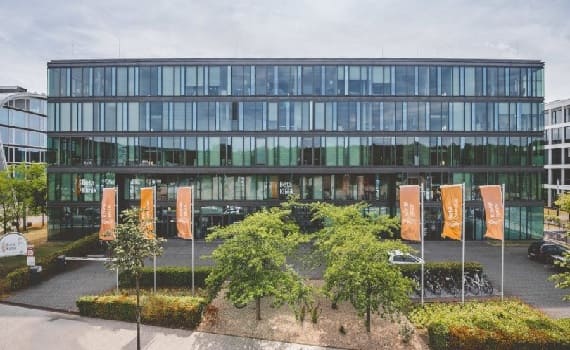
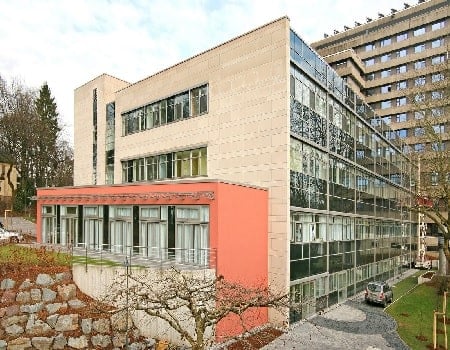
Recommended Hospitals for Soft Tissue Sarcoma Treatment




Frequently Asked Questions Related to Soft Tissue Sarcoma Treatment Cost in Germany
A soft tissue sarcoma is a rare cancer of tissues such as fat, muscle, nerves and blood vessels. There are many different types.
Soft tissue sarcomas most often develop in the arms and legs, according to Macmillan. They can also arise in the abdomen and other areas.
A lump that is growing, larger than 5 cm or painful should be checked by a doctor. Most soft tissue lumps are not cancer.
Surgery is the main treatment, often combined with radiotherapy. Limb-sparing surgery is possible for many people.
No, chemotherapy depends on the type of sarcoma and the risk of it coming back. Some sarcomas respond better to chemotherapy than others.
Sarcomas are rare and varied, so specialist teams with sarcoma experience plan the right combination of treatments. Macmillan advises treatment at a specialist sarcoma unit.
The cost of Soft Tissue Sarcoma treatment in Germany typically ranges from $18,000 to $70,000 USD, depending on the hospital, city, and type of procedure.
Soft tissue sarcoma most often spreads to the lungs, according to Macmillan. Follow-up includes chest X-rays or scans.
A gastrointestinal stromal tumour (GIST) is a type of sarcoma that usually grows in the stomach or small bowel. The targeted drug imatinib is often used.
The federal Bundes-Klinik-Atlas shows hospital case numbers by department and treatment area. Hospitals can also say how many sarcoma patients their team treats each year.
 Chat