

What Is the Cost of Skin Lymphoma Treatment in Germany?
The cost of Skin Lymphoma treatment in Germany typically ranges from $18,000 to $70,000 USD, depending on the hospital, city, and type of procedure.
Skin lymphoma usually means cutaneous T-cell lymphoma, a type of non-Hodgkin lymphoma that mainly affects the skin. The most common forms are mycosis fungoides and Sézary syndrome. In Germany, the total depends on:
- Skin-directed treatments: steroid creams, topical chemotherapy and light therapy.
- Total skin electron beam therapy: for widespread skin disease.
- Systemic medicines: such as bexarotene, interferon or targeted drugs.
- Stem cell transplant: for a small number of patients.
Cancer treatment costs depend on the stage and the treatments needed. A full course of care can cost more than this range, so ask what each estimate includes.
Mycosis Fungoides and Sézary Syndrome
The US National Cancer Institute (NCI) explains that mycosis fungoides often starts as a scaly red rash in areas not exposed to the sun and may be present for months or years before it is recognised. It can progress through patch, plaque and tumour phases.
Sézary syndrome causes red, itchy, peeling skin over much of the body, with lymphoma cells in the blood. A skin biopsy, sometimes repeated, and blood tests are used for diagnosis.
Our Services for Skin Lymphoma Treatment in Germany
Transparent, professional support—without the hassles.
Book Doctor Appointment
Choose a specialist and schedule a convenient consultation.
Video or In-person Consultation
Consult remotely or meet your doctor directly at the hospital.
Compare Cost Estimates
Review transparent estimates from suitable hospitals.
Hospitalisation Support
Get coordinated assistance throughout your hospital stay.
 WhatsApp Us
Treatment for Skin Lymphoma
The NCI notes these lymphomas are hard to cure, so treatment usually aims to control symptoms, and people with early-stage disease may live for many years. Options include steroid creams, topical chemotherapy, PUVA and UVB light therapy, total skin electron beam therapy and extracorporeal photopheresis.
Medicines such as bexarotene, interferon, HDAC inhibitors, chemotherapy, brentuximab vedotin and mogamulizumab are used for more advanced disease, and a stem cell transplant is an option for some.
Skin Lymphoma Treatment in Germany
Light therapy and photopheresis need repeated sessions over weeks or months, which can be difficult to arrange from abroad. Ask which treatments can continue at home. International patients are usually treated in Germany as self-paying patients: the hospital reviews the medical reports, sends a cost estimate and asks for an advance payment before admission, then settles the final bill after discharge.
Top Hospitals in Germany
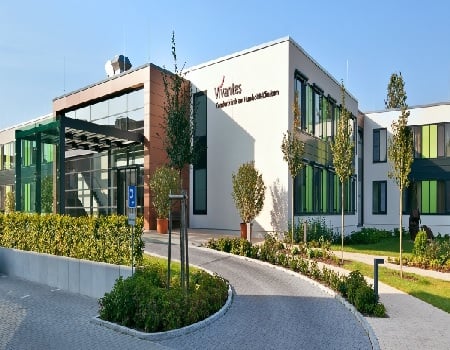
Recommended Hospitals for Skin Lymphoma Treatment
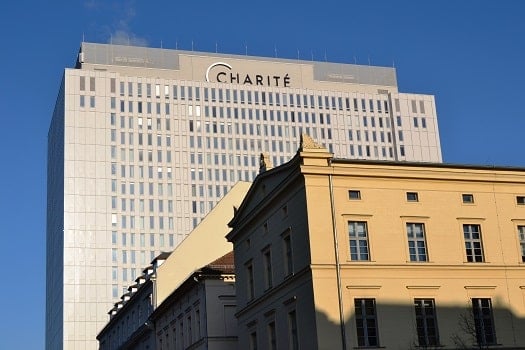





Frequently Asked Questions Related to Skin Lymphoma Treatment Cost in Germany
Cutaneous T-cell lymphoma is a non-Hodgkin lymphoma that mainly affects the skin. Mycosis fungoides and Sézary syndrome are the most common forms.
It often starts as a scaly red rash in areas not exposed to the sun. It may be present for months or years before it is diagnosed.
Sézary syndrome causes red, itchy, peeling skin over much of the body, with lymphoma cells in the blood. It is a more advanced form of cutaneous T-cell lymphoma.
A skin biopsy is the main test and may need to be repeated. Blood tests check for lymphoma cells in the blood.
The NCI says these lymphomas are hard to cure, so treatment usually aims to control them. People with early-stage disease may live for many years.
PUVA combines a light-sensitising medicine with ultraviolet A light to treat skin lesions. It is given in repeated sessions.
The cost of Skin Lymphoma treatment in Germany typically ranges from $18,000 to $70,000 USD, depending on the hospital, city, and type of procedure.
It is a type of radiotherapy that treats the whole skin surface while sparing deeper organs. It is used for widespread skin disease.
Bexarotene, interferon, HDAC inhibitors, chemotherapy, brentuximab vedotin and mogamulizumab are among the options listed by the NCI. The choice depends on the stage and previous treatment.
Often yes, if a local dermatology unit offers the same light therapy. The German team can provide a treatment summary and doses used.
 Chat