

Cost of Skin Grafting in Noida
Skin grafting is a surgical procedure that involves removing skin from one area of the body and moving it, or transplanting it, to a different area of the body. This surgery may be done if a part of the body has lost its protective covering of skin due to burns, injury, or illness.
Skin grafting a special skin cutting instrument known as a Dermatome removes the skin from an area (the donor site) usually hidden by clothing such as the buttocks or inner thigh. Once removed, the graft is placed on the area in need of covering and held in place by a dressing and a few stitches.
Our Services for Skin Grafting in Noida
Transparent, professional support—without the hassles.
Book Doctor Appointment
Choose a specialist and schedule a convenient consultation.
Video or In-person Consultation
Consult remotely or meet your doctor directly at the hospital.
Compare Cost Estimates
Review transparent estimates from suitable hospitals.
Hospitalisation Support
Get coordinated assistance throughout your hospital stay.
 WhatsApp Us
Top Doctors in Noida
Recommended Doctors for Skin Grafting
Top Hospitals in Noida
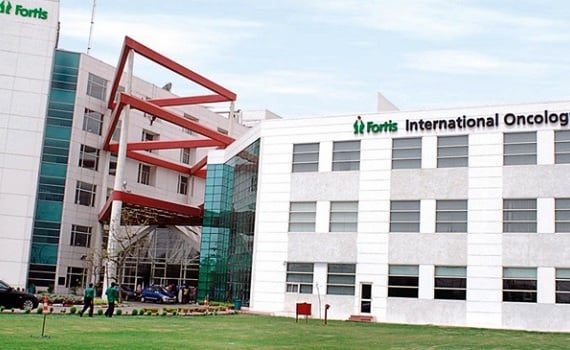
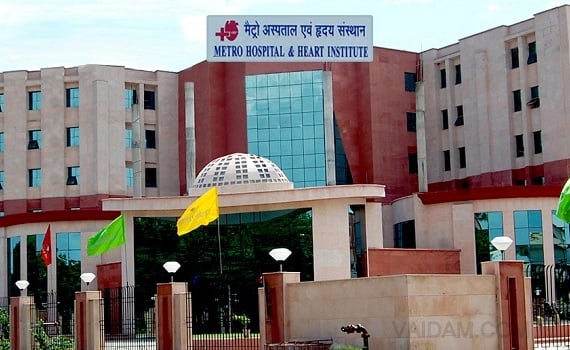
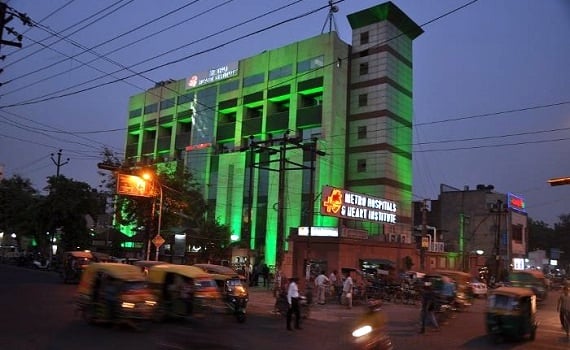
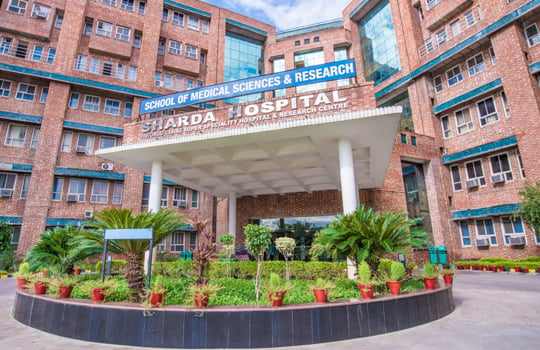
Recommended Hospitals for Skin Grafting


Inclusions in the package
The cost of Skin Grafting includes:
- A more significant amount of skin, if required for transplant, costs more
- Cost of medications
- Patient's hospital stay
- Number of follow-up sessions
Factors affecting cost of Skin Grafting
The overall cost of the procedure also varies based on the patient's condition and preferences. Some of these factors are:
- Any underlying medical condition (such as diabetes and hypertension)
- Type of hospital and room opted (General, twin sharing, or single room)
- Post-surgical complications, if they occur (may include signs of infection such as fever and chills, wound discharge, body rejecting the graft, etc.)
- Cost of blood products (if required)
- Age of the patient
- An extended stay at the hospital
- Cost of accommodation during follow-ups, in case the patient is not a local resident
Success Rate
Everything You Need to Know About Skin Grafting: Q&A
Before the Procedure · 6 Questions
A skin graft is placed over an area of the body where skin has been lost. Common reasons for a skin graft includes skin infections, deep burns, open or large wounds, bed sores and skin cancer surgery.
In skin graft partial dermal skin and epidermis of the skin is being excised and it leaves behind good amount of dermis in wound so that skin is able to regenerate itself.
If skin graft doesn’t take place then you may need another surgery, once surgery is completed you have to follow all the instructions which has been given by your doctor.
It will take around 2 weeks or even more for a skin graft to heal, depending on your condition you need to rest and elevate the graft in between 2 and 10 days, healing of the skin graft is very important.
Symptoms of failed skin grafts are pain, numbness, fever, discoloration, redness, swelling and breakdown of tissue. The one of the most common sign of failed skin graft is the darkening of skin in which the pink appearance of healthy skin is missing.
The success rate of both spilt thickness and full thickness raft is of 95%.
During the Procedure · 4 Questions
Yes, skin graft is a major surgery. It involves removing the dead and damaged skin tissue and then replacing it with the new healthy skin. It has also got some major risks and complications.
Skin graft surgery takes one to three hours and if the graft is large then it may take more time.
Skin graft surgery is being done under general anaesthesia.
In skin graft surgery smaller incision is being made and the skin is being removed from the donor site. Once the skin is being removed the graft is being placed in the area which is need to be covered by few stitches.
Post the Procedure · 3 Questions
The donor site is being covered with a sterile dressing for up to 3 to 5 days. If you have deeper tissue loss you may need a full thickness skin graft. Skin graft needs entire thickness from donor area not only the two top layers
You should follow some precautions such as do not scratch, pick or touch the graft or donor site, keep the skin moist and do not soak the skin graft site in water. For 3 -4 weeks avoid any movement or exercises which stretches the skin graft.
You should need to keep your skin graft covered for about three to five days after surgery.
 Chat
Chat