

What is Sickle Cell Anaemia Treatment Cost in India?
Sickle cell disease (SCD) is inherited blood disorder, interfering with oxygen carrying capacity of blood. Sickle cell anaemia is one of the SCD disorders which is present in children since birth. It is defined by the alteration in the shape of red blood cells (RBCs) from a disc shape to a sickle-like, crescent shape.
Estimates suggest that about 300,000 babies are born with SCD annually, and it is inferred that such an annual number will exceed 400,000 by 2050.
In India, it is widespread among the tribal population, where about 1 in 86 childbirths have SCD. The average cost of sickle cell anaemia treatment in India typically ranges from INR 15,00,000 to INR 24,00,000 for Indian patients, whereas for International patients, the average cost ranges between USD 25,000 to USD 40,000.
What is Sickle Cell Anaemia?
Haemoglobin is one of the most important proteins of RBCs. It binds to oxygen and carbon dioxide and carries them to different parts of the body. In normal condition, RBC are disc-shaped and flexible enough to move easily through the blood vessels.
But, due to some genetic defects in the beta chain of haemoglobin (HBB), the shape of RBCs turns abnormal and clumps together, causing the RBCs to turn sickle shaped.
The major problem associated with sickle-shaped RBCs flowing in the human body are:
Its oxygen carrying capacity is very low as compared to normal RBCs.
Sickle-shaped RBCs can stick to the walls of blood vessels, interrupting the flow of blood. When this happens, the required amount of oxygen can't reach nearby tissues.
Then, this genetic defect is inherited from the parents to their children and can appear in two forms:
If two defective HBB genes are inherited- one from the mother and another one from the father, a child will be born with sickle cell disease.
In another case, a child inherits just one defective gene and is healthy but a carrier of the disease. If a carrier has a child with another carrier, there is an increased chance of having a child with sickle cell disease.
The diseased person suffers from lack of oxygen in their tissues and range of complications from severe pain to stroke and sometimes even organ damage. Hence, it’s crucial to understand the symptoms associated with SCD which are listed below.
Dactylitis
Due to restricted blood flow, the accumulated sickled RBCs leads to inflammation in hands and feet. This is one of the earliest symptoms seen in infants suffering from sickle cell anaemia.
Anaemia
Sickled RBCs have a short lifespan (10-20 days) and gets destroyed easily. The persistent shortage of RBCs in the body leads to chronic anaemia and sy mtoms such as dizziness, shortness of breath, and fatigue.
Pain crisis (sickle crisis)
This occurs when sickled cells block blood flow in a particular area, often causing intense pain. It commonly affects the chest, arms, and legs, and can cause painful swelling as well.
Acute chest syndrome
This is a life-threatening condition when sickle RBCs blocks blood vessels in the lung often triggered by infection. This causes symptoms such as fever, pain, and severe coughing.
Splenic sequestration (pooling)
Sickled cells accumulate in the spleen, leading to a sudden drop in haemoglobin levels, which can be fatal if not treated immediately.
Stroke
Sickle cells can block major blood vessels supplying the brain with oxygen, leading to severe brain damage. Individuals who have had one stroke due to sickle cell anaemia are at increased risk of subsequent strokes.
Priapism
Due to the presence of sickle cells, there is a painful obstruction of blood vessels in the penis and if not effectively treated, can lead to impotence.
Our Services for Sickle Cell Disease in India
Transparent, professional support—without the hassles.
Book Doctor Appointment
Choose a specialist and schedule a convenient consultation.
Video or In-person Consultation
Consult remotely or meet your doctor directly at the hospital.
Compare Cost Estimates
Review transparent estimates from suitable hospitals.
Hospitalisation Support
Get coordinated assistance throughout your hospital stay.
 WhatsApp Us
What are the Types of Sickle Cell Anaemia Treatment?
Sickle cell disease is an autosomal recessive disease which means it arises when the patient inherits two abnormal genes, one from each parent. After genetic evaluation, if doctors confirm that underlying symptoms are due to sickle cell, haematologists analyse the patient’s health condition thoroughly, derive a treatment plan which usually involves the following:
Pain relief and inflammation medication
In SCD, patients suffer from both acute and chronic pain as a result of vaso-occlusive crisis (VOC) and neuropathic issues. Doctor’s recommend some over the counter drugs such as non-steroidal anti-inflammatory drugs (NSAIDs), hydroxyurea to manage moderate-to-severe pain.
Blood transfusions
This treatment is often recommended for children who have had first stroke and performed for providing following benefits:
To prevent subsequent stroke
To enhance the oxygen carrying capacity of blood
To reduce the complications of vaso-occlusion
Vaccination and antibiotics
Individuals with sickle cell anaemia are at increased risk of infections due to their compromised immune system. Hence, under the doctor’s supervision, it is often recommended for complete immunisation.
Bone marrow transplant
A bone marrow transplant/stem cell transplant is a procedure that introduces healthy blood-forming stem cells into the patients’ body to replace defective bone marrow cells. This defective bone marrow produces defective sickle-celled RBCs. Based on the source of bone marrow, the procedure can be categorised as
Allogeneic Hematopoietic Stem Cell Transplantation (HSCT)
In allogeneic HSCT, the donor of healthy stem cells is typically a matched sibling or unrelated donor.
This focuses on replacing the patient's diseased bone marrow with healthy donor cells further producing normal haemoglobin.
This type of transplant carries risks, including graft-versus-host disease (GVHD), graft rejection, infections, and other complications
Allogeneic HSCT is generally opted for the patients with severe conditions of SCD who have a suitable donor and are at high risk of complications requiring immediate intervention.
Autologous Hematopoietic Stem Cell Transplantation
Autologous HSCT involves using the patient's own stem cells, collected before undergoing chemotherapy or other conditioning treatments, to replace the diseased bone marrow.
This type of transplant is a suitable option for the patients who do not have a suitable donor for allogeneic HSCT.
Gene therapy
Gene therapy involves modifying the patient's own stem cells outside the body to fix the genetic mutation responsible for sickle cell disease.
Modified stem cells are then inserted back into the patient, after which healthy red blood cells with normal haemoglobin are produced by stem cells.
Ultimately, the goal of any treatment strategy is to alleviate symptoms, prevent complications, and improve the patient's quality of life.
What are the Key Factors That Affect the Sickle Cell Anaemia Treatment Cost in India?
Sickle cell anaemia requires a series of ongoing treatment procedures to improve the patient's quality of life, rather than a single, one-time intervention. This necessitates the importance of understanding the factors which may impact overall cost of treatment for sickle cell anaemia in India. Some of them are listed below.
Type of Treatment
The cost of sickle cell treatment in India depends on the specific treatment approach utilised by the haematologists which could be medications, blood transfusions, bone marrow transplantation or combination of any of these. Based on severity, haematologists decide the frequency of these approaches, thus influencing total expenditure.
Type of treatment approach | INR (Min-Max) | USD (Min-Max) |
|---|---|---|
Blood transfusions | 5000-10000 per cycle | 80-160 per cycle |
Bone marrow transplant | 15,00,000- 35,00,000 | 25,000-58,000 |
Type of transplant
The choice of transplant suggested by haematologists depends on various factors, including disease severity, availability of a suitable donor, patient age and health status, and the risks and benefits associated with each approach.
Type of BMT | INR (Min-Max) | USD (Min-Max) |
|---|---|---|
Autologous BMT | 8,75,000 - 12,00,000 | 15,000 - 20,000 |
Allogeneic BMT | 15,00,000 - 18,00,000 | 25,000 - 30,000 |
Hospital charges
The choice of healthcare facility, including its location, infrastructure, accreditation and quality of care, can significantly influence treatment costs.
Medication costs
The cost of medications prescribed for managing sickle cell anaemia, including pain relievers, disease-modifying agents like hydroxyurea, and other therapies, contribute to the overall treatment expenses.
Diagnostic tests and imaging studies
The cost of diagnostic tests and imaging studies needed for monitoring the disease, assessing complications, and guiding treatment decisions can add to the total treatment cost.
What are Pre-treatment and Post-treatment Expenses in Sickle Cell Anaemia Treatment?
Sickle cell anaemia is caused as a result of genetic defect, so before jumping to any conclusion, it’s necessary to determine the severity of the disease by genetic and haematological evaluation.
There are some tests and follow-ups required that may add to expenses. It can be classified as:
Pre-treatment cost (complete blood count, genetic testing, haemolytic marker test, tissue typing,imaging studies etc.): INR 50,000 to INR 80,000 (USD 1000 to USD 1500)
Post-treatment cost for initial 2 months (bone marrow biopsy, follow-up consultations and medications): INR 60,000 to INR 70,000 (USD 1000 to USD 1200)
What should be Post-treatment Care in Sickle Cell Anaemia?
After the treatment, managing sickle cell anaemia effectively is a crucial task. It involves comprehensive post-treatment care to enhance quality of life and minimise complications. Some of the measures to be followed by the patients after the treatment are as follows-
Regular health monitoring and follow ups
To manage post-treatment complications effectively, routine blood tests are conducted to monitor levels of haemoglobin, white blood cells, and platelets. Any deviations or indications of issues like anaemia or blood infection may require immediate intervention.
Sufficient nutrition intake
Since the condition makes the patient anaemic, it’s crucial to maintain sufficient nutritional intake and proper vitamin supplements to ensure quicker recovery
Lifestyle changes
In order to minimise post treatment risks and complications, doctors advise the patients to adopt a healthy lifestyle such as:
Quit smoking
Maintain a healthy diet
Maintain body weight
Stop drinking
Take a good amount of sleep
Does Insurance Cover Sickle Cell Anaemia Treatment in India?
The treatment of sickle cell anaemia involves various medications, stem cell therapies and transplant. In 2020, the IRDAI (Insurance Regulatory and Development Authority of India) announced that standard health insurance coverage in India now will also cover innovative treatments, including stem cell therapy.
When your doctor recommends stem cell/bone marrow transplant, your next step is to submit your doctor’s prescription, investigation reports, hospital admission papers to the insurance agency along with your policy papers. They will assess your claim eligibility and work with the hospital to cover your medical expenses as per policy terms.
The coverage of stem cell therapy under insurance varies greatly among the insurance companies providing health policies. Some insurance companies in India cover it based on its medical necessity. Hence, a prior knowledge of its coverage areas is recommended before the stem cell transplant.
Top Doctors in India
Recommended Doctors for Sickle Cell Disease



Dr. Satya Prakash Yadav
Director
Paediatric HematologistMedanta - The Medicity, Gurgaon









Top Hospitals in India
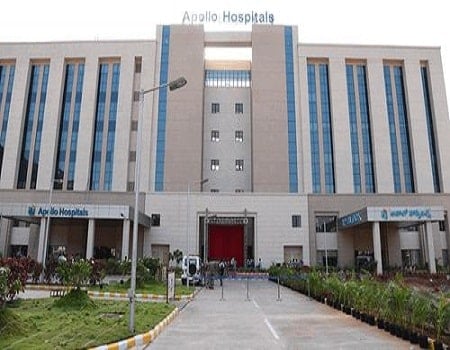
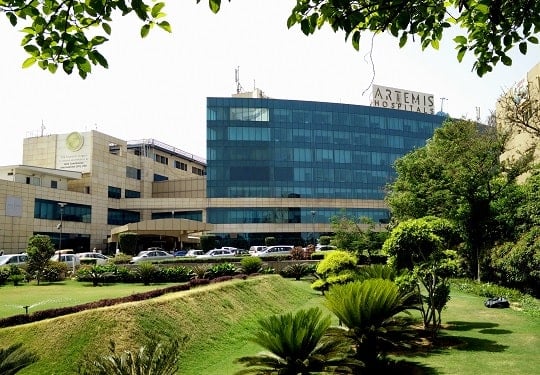
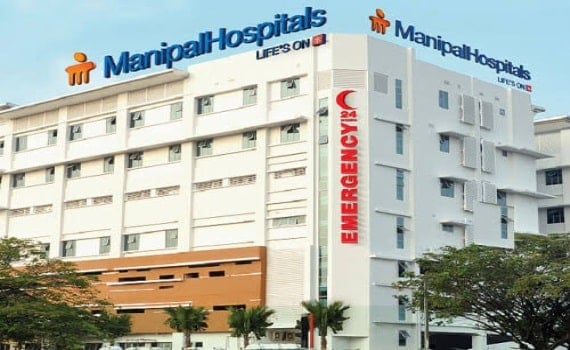
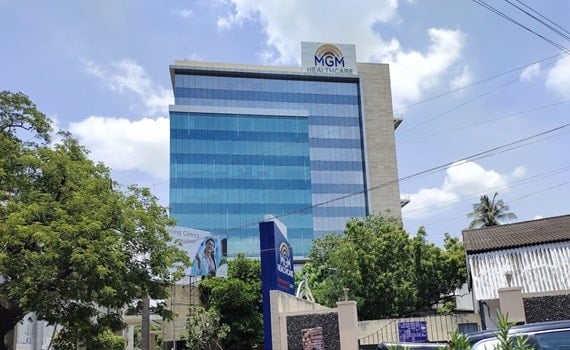
Recommended Hospitals for Sickle Cell Disease









Everything You Need to Know About Sickle Cell Disease: Q&A
Before the Procedure · 7 Questions
Sickle cell anemia is an inherited red blood cells disorders in which the red blood cells are not healthy enough to carry oxygen through the body, red blood cells can easily move throughout the blood vessels.
can get sickle cell anemia from when you inherit sickle cell from both your parents. When both your parents are carriers of sickle cell gene then you can get sickle cell anemia.
The organs affected by sickle cell anemia are the liver, heart, kidney, gallbladder, eyes, bones and joints. It can cause recurrent infections, symptoms of sickle cell anemia usually appear 5 months of age. Some of the symptoms of sickle cell anemia includes anemia, episodes of pain, swelling in hands and feet, fever, pale skin, frequent infections etc.
If both mother and father are carrier then child may get affected from sickle cell anemia.
Complications of sickle cell anemia includes stroke, acute chest syndrome, pulmonary hypertension, organ damage, blindness, ulcers in leg, gall bladder stone and pulmonary hypertension.
Sickle cell anemia is being diagnosed by blood test, blood test checks for the defective form of hemoglobin causes sickle cell anemia. Adults and children can also be tested or sickle cell anemia.
Sickle cell anemic avoids the episodes of pain, relieves the symptoms and prevents complication. The treatment of sickle cell anemia included medications and blood transfusion.
During the Procedure · 4 Questions
The surgical procedure of sickle cell anemia involves blood transfusion, in red blood cell transfusion red blood cells are being removed from the supply of donated blood. This increases the supply of red blood cells.
Blood transfusion takes around 90 to 120 minutes to be completed and it can even be done in smaller children who are younger than 5 years.
The process of stem cell transplant usually takes around 3 weeks to be done.
Stem cell transplant is also known as bone marrow transplant the process of stem cell transplant involves replacing the bone marrow of the affected person with the healthy bone marrow of the donor.
Post the Procedure · 3 Questions
Stem cell transplant involves long hospital stay, after getting transplant you will need to get drug for preventing rejection of the donated stem cells. In some cases, your body may reject the transplant which may result in some life-threatening complications.
If you have sickle cell anemia by seeing a genetic counselor before you trying to conceive will help you in understanding the risk of having a child with sickle cell anemia.
Red blood cells usually live for about 120 days before they need to be replaced. But sickle cells usually die in 10 to 20 days, leaving a shortage of red blood cells,.
 Chat
Chat