

What Is the Cost of Rotational Atherectomy in Germany?
The cost of rotational atherectomy in Germany typically ranges from $5,000 to $11,000 USD, depending on the hospital, city, and type of procedure.
Rotational atherectomy uses a tiny diamond-coated burr spinning at high speed to grind away hard, calcified plaque inside a heart artery, so that a stent can then be placed. In Germany, the total depends on:
- Burr and device system: specialised single-use equipment.
- Stents used afterwards: most procedures end with stenting.
- Imaging: intravascular imaging may be used to assess calcium.
- Hospital stay: often one night.
When Rotational Atherectomy Is Used
StatPearls describes rotational atherectomy as a technique for heavily calcified narrowings that cannot be opened with a balloon alone. The burr spins at 150,000 to 200,000 revolutions per minute.
Removing the hard calcium prepares the artery so that a stent can expand properly.
Our Services for Rotational Atherectomy in Germany
Transparent, professional support—without the hassles.
Book Doctor Appointment
Choose a specialist and schedule a convenient consultation.
Video or In-person Consultation
Consult remotely or meet your doctor directly at the hospital.
Compare Cost Estimates
Review transparent estimates from suitable hospitals.
Hospitalisation Support
Get coordinated assistance throughout your hospital stay.
 WhatsApp Us
The Procedure and Recovery
Like angioplasty, it is done through an artery in the wrist or groin using X-ray guidance. A stent is usually placed afterwards.
Blood-thinning tablets are usually prescribed after a stent. The cardiologist will explain the risks, which are generally higher than for simple angioplasty because the arteries are more diseased.
Rotational Atherectomy in Germany
International patients are usually treated in Germany as self-paying patients: the hospital reviews the medical reports, sends a cost estimate and asks for an advance payment before admission, then settles the final bill after discharge.
Inpatient hospital care in Germany is billed under the German DRG system, which depends on the main diagnosis, other diagnoses and the procedures carried out, so the final amount is known only after the stay.
The federal Bundes-Klinik-Atlas, launched in May 2024, shows hospital case numbers by department, nursing staff levels and selected certificates.
Top Hospitals in Germany
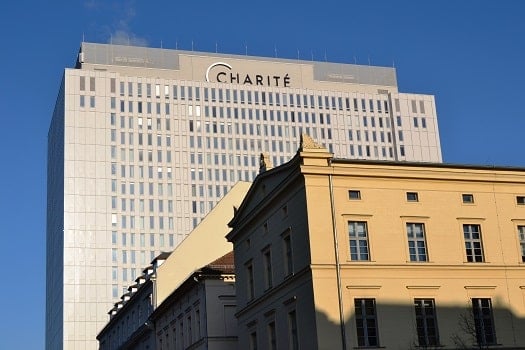
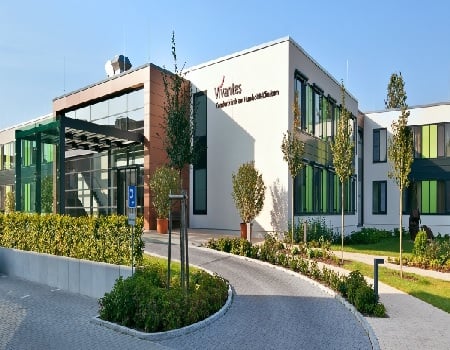
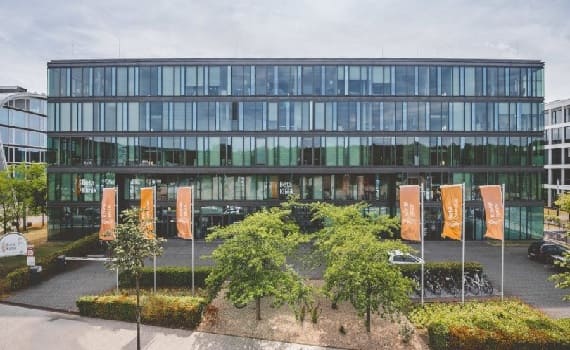
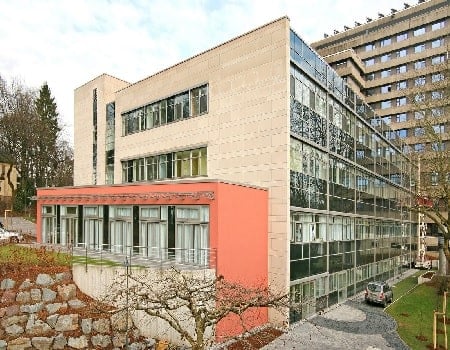
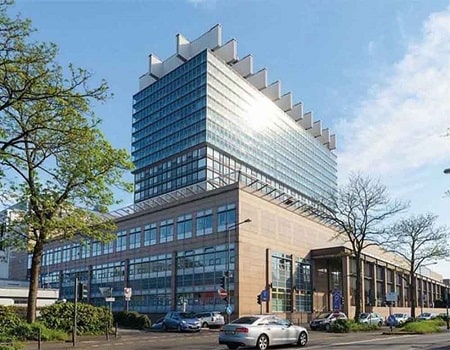
Recommended Hospitals for Rotational Atherectomy






Frequently Asked Questions Related to Rotational Atherectomy Cost in Germany
It is a catheter procedure that uses a diamond-coated burr spinning at high speed to remove calcified plaque in a heart artery. It prepares the artery for a stent.
Some narrowings contain so much calcium that a balloon cannot open them. Removing the calcium allows a stent to expand properly.
StatPearls reports speeds of 150,000 to 200,000 revolutions per minute. The burr breaks hard plaque into very small particles.
Yes, most procedures end with a stent once the calcium has been removed. This keeps the artery open.
Yes, it is usually done under local anaesthetic through an artery in the wrist or groin. Sedation may also be given.
Many patients stay in hospital for one night so that the heart rhythm and access site can be monitored. The stay depends on how the procedure went.
The cost of rotational atherectomy in Germany typically ranges from $5,000 to $11,000 USD, depending on the hospital, city, and type of procedure.
It is used for more complex, calcified arteries, so risks can be higher than for simple angioplasty. The cardiologist will explain them.
Blood-thinning tablets are usually prescribed after the stent to prevent clots. Other heart medicines are often continued.
The Bundes-Klinik-Atlas shows hospital case numbers by department and selected certificates. You can also ask the cardiology department about its experience.
 Chat