

What Is the Cost of Robotic Cancer Surgery in India?
Robotic Cancer Surgery treatment in India typically ranges from $3,000 to $15,000 USD, depending on the hospital, city, and type of procedure.
Key Factors That Influence the Cost
- Type of Surgery: Da Vinci robotic console resection across thoracic, gastrointestinal, urological, or gynecological tumors.
- Location and Facility: Tier-1 private hospitals in major medical hubs like Delhi NCR, Mumbai, or Bengaluru generally charge higher rates than regional or specialized centers.
- Hospital Stay: Length of time required in the Intensive Care Unit (ICU) and post-operative monitoring (2 to 4 days in a private room).
- Pre- and Post-Op Care: Diagnostic imaging (Cross-sectional 3T MRI, high-slice contrast CT, 3D anatomical reconstructions, and biopsy confirmation), medication, and follow-up consultations.
- Implants and Consumables: Robotic robotic shears, bipolar forceps, specimen retrieval bags, and absorbable suture devices.
Note: Final quotations must be confirmed with the hospital following a comprehensive review of your medical records.
Robotic Cancer Surgery Cost Comparison Across Different Cities in India
Treatment costs for Robotic Cancer Surgery remain highly competitive across India's premier medical hubs, including Delhi NCR, Mumbai, Chennai, Bengaluru, and Hyderabad.
Geographical cost variations between hospitals are driven by specific institutional and operational standards:
- Hospital Accreditation: Tertiary and quaternary hospitals accredited by JCI and NABH maintain specialized infrastructure including dedicated operating theaters and intensive care units.
- Surgeon & Specialist Standing: Senior Accredited Robotic Surgical Oncologists with high procedural volume and international training.
- Technological Capabilities: Centers equipped with advanced diagnostic and surgical systems such as Robotic robotic shears, bipolar forceps, specimen retrieval bags, and absorbable suture devices.
- Local Living & Caregiver Expenses: Daily accommodation, transport, and food costs in metropolitan cities (higher in Mumbai and Delhi than in Chennai or Hyderabad).
Patients are advised to prioritize hospital accreditation and specialist expertise over minor cost differences between cities.
Our Services for Robotic Cancer Surgery in India
Transparent, professional support—without the hassles.
Book Doctor Appointment
Choose a specialist and schedule a convenient consultation.
Video or In-person Consultation
Consult remotely or meet your doctor directly at the hospital.
Compare Cost Estimates
Review transparent estimates from suitable hospitals.
Hospitalisation Support
Get coordinated assistance throughout your hospital stay.
 WhatsApp Us
What Factors Affect the Cost of a Robotic Cancer Surgery?
The overall cost of managing Robotic Cancer Surgery in India varies according to patient-specific clinical requirements and procedural scope.
Key variables directly influencing the final treatment expenditure include:
- Primary Clinical Approach: Computer-assisted da Vinci robotic oncological resections across thoracic, GI, and pelvic malignancies.
- Pre-Treatment Staging & Investigations: Cross-sectional 3T MRI, high-slice contrast CT, 3D anatomical reconstructions, and biopsy confirmation.
- Surgical Implants & Technology: Use of specialized devices such as Robotic robotic shears, bipolar forceps, specimen retrieval bags, and absorbable suture devices.
- Hospitalization Duration: Length of time in the ICU and room selection (twin sharing vs. private single room).
- Complication Risk Management: Potential clinical events requiring intervention, including Conversion to open surgery, port-site seroma, internal surgical site infection, and minor bleeding.
- Post-Procedure Rehabilitation: 2 to 3 weeks for full recovery, representing half the time of open surgery.
Hospitals provide an itemized fee breakdown following a thorough review of the patient's diagnostic imaging and medical dossier.
Why Choose India for Robotic Cancer Surgery Treatment?
India is a preferred destination for international patients seeking advanced, affordable clinical management for Robotic Cancer Surgery.
Key reasons to choose India for treatment include:
- Expert Medical Specialists: Board-certified Accredited Robotic Surgical Oncologists with international fellowships and proven track records.
- Internationally Accredited Hospitals: Facilities certified by JCI and NABH upholding strict safety, hygiene, and patient-care protocols.
- State-of-the-Art Technology: Immediate access to advanced platforms including Robotic robotic shears, bipolar forceps, specimen retrieval bags, and absorbable suture devices.
- Substantial Cost Savings: Treatment delivered at 60% to 80% lower cost compared to the United States, UK, or private Middle Eastern centers.
- Dedicated International Concierge: End-to-end support with medical visa invitation letters, language translators, airport pickups, and local stay arrangements.
- Zero Waiting Times: Fast-track specialist consultations, immediate diagnostic workups, and prompt procedural scheduling.
Note: Individual treatment candidacy and anticipated outcomes must be confirmed directly through a specialist clinical evaluation.
Top Doctors in India
Recommended Doctors for Robotic Cancer Surgery



Top Hospitals in India
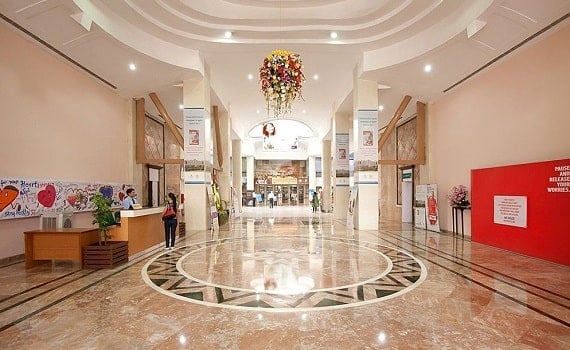
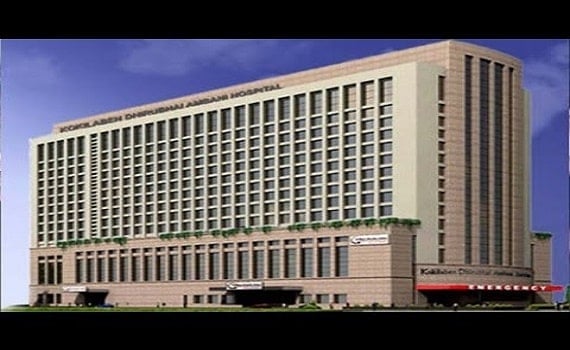
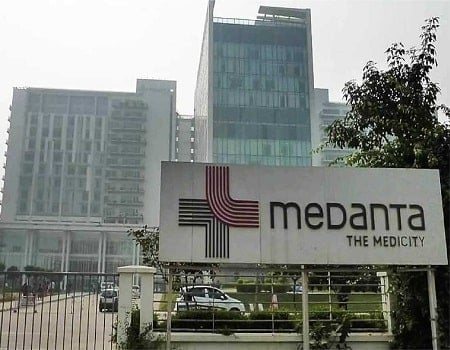
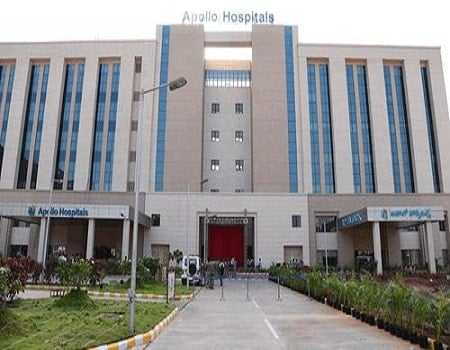
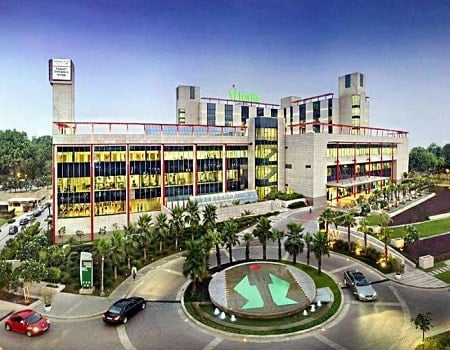
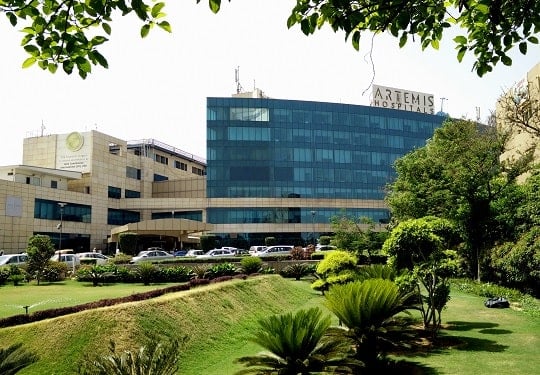
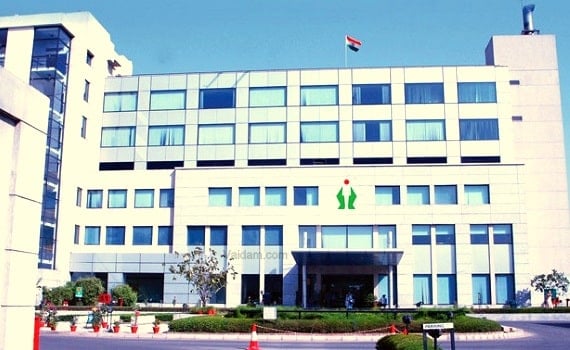
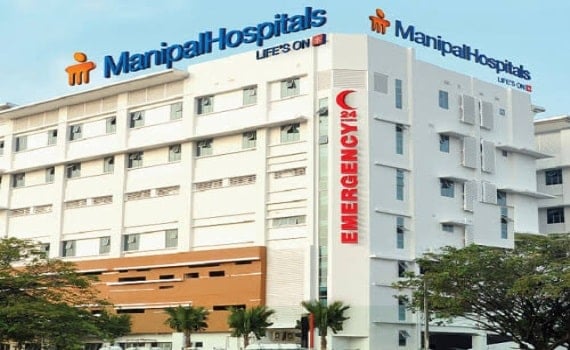
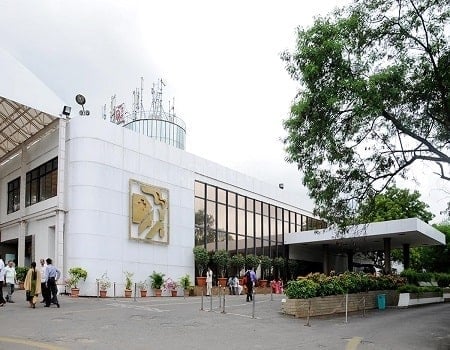
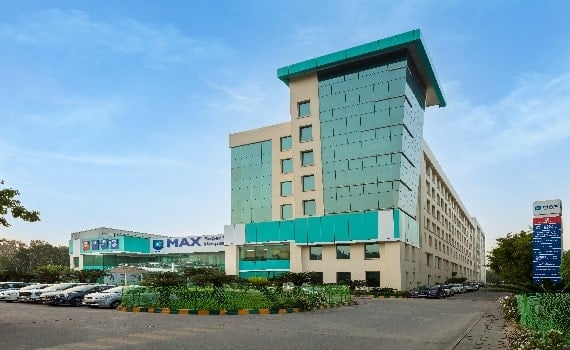
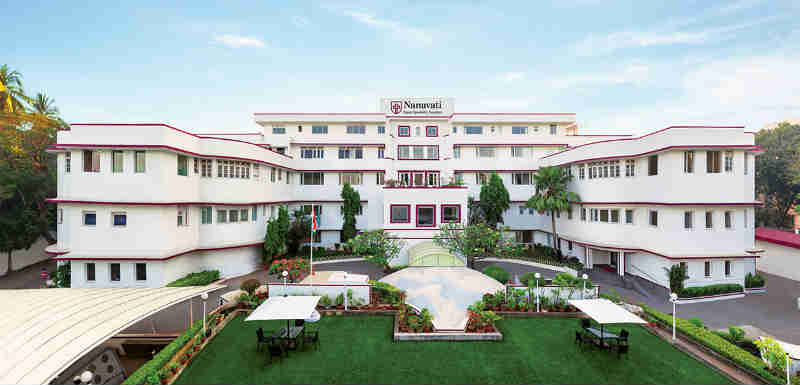
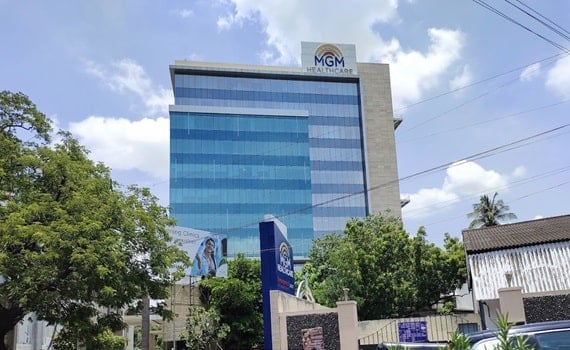
Recommended Hospitals for Robotic Cancer Surgery
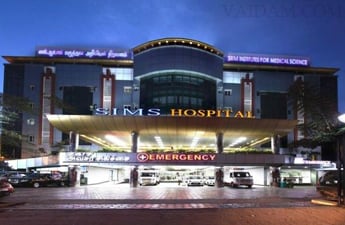
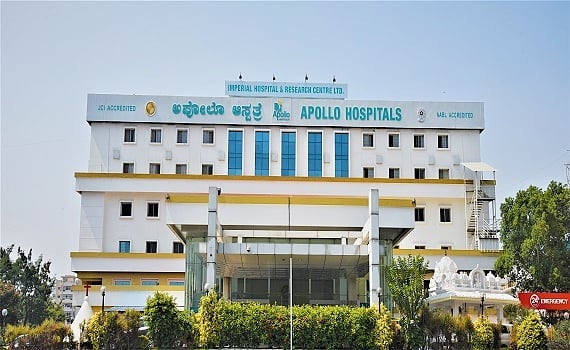
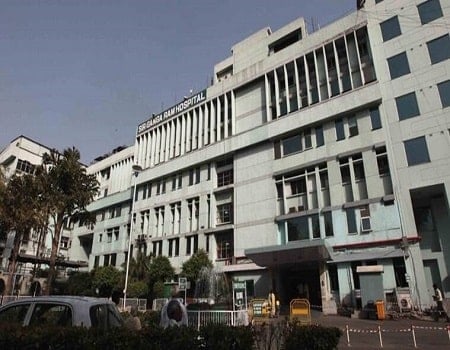
Frequently Asked Questions Related to Robotic Cancer Surgery Cost in India
Robotic Cancer Surgery is a medical condition treated in India through tailored interventions led by Accredited Robotic Surgical Oncologists.
Main treatment approaches include:
- Da Vinci Robotic Resection: Surgeon-guided robotic console with 3D-HD magnification and wristed instruments exceeding human hand tremor.
- Enhanced Lymph Node Dissection: Meticulous clearance of lymphatic basins with minimal blood loss and tissue trauma.
- Rapid Recovery Protocol (ERAS): Early oral feeding, reduced opioid analgesia, and expedited discharge.
Patients should consult a specialist if they experience symptoms indicating progressive Robotic Cancer Surgery.
Common clinical warning signs include:
- Organ-Specific Malignancy Indicators: Focal tumors identified in the prostate, colon, rectum, uterus, or lung.
- Need for Deep Anatomical Dissection: Tumors in narrow anatomical spaces requiring nerve and vessel preservation.
- Preference for Minimal Surgical Trauma: Patient candidacy for keyhole surgery instead of large open incisions.
A comprehensive pre-treatment diagnostic workup is conducted to evaluate disease severity and ensure patient safety.
Standard diagnostic investigations include:
- Primary Imaging & Staging: Cross-sectional 3T MRI, high-slice contrast CT, 3D anatomical reconstructions, and biopsy confirmation.
- Routine Laboratory Panels: Complete blood count, kidney and liver function tests, and coagulation profiles.
- Cardiopulmonary Fitness: Chest X-ray, electrocardiogram (ECG), and echocardiogram for anesthesia clearance.
Treatment for Robotic Cancer Surgery is performed with modern anesthesia and multimodal pain management protocols to prevent procedural pain.
Comfort management protocols include:
- Intraoperative Anesthesia: General, regional, or local sedation administered by certified anesthesiologists.
- Post-Operative Analgesia: Targeted nerve blocks and intravenous patient-controlled analgesia (PCA).
- Oral Pain Relief: Scheduled anti-inflammatory and pain relief tablets upon discharge.
While treatments in accredited Indian hospitals carry high safety standards, recognized clinical risks must be acknowledged.
Potential complications include:
- Specific Clinical Risks: Conversion to open surgery, port-site seroma, internal surgical site infection, and minor bleeding.
- General Surgical Risks: Infection, temporary bleeding, and adverse reactions to anesthesia.
- Hospital Risk Mitigation: Ultra-clean laminar-flow theaters, prophylactic antibiotics, and intensive post-op monitoring.
Recovery depends on whether the intervention was minimally invasive, medical, or open surgery.
Key recovery milestones include:
- Inpatient Hospital Stay: 2 to 4 days in a private room.
- Local Stay for International Patients: 10 to 14 days in India for post-discharge reviews and fit-to-fly certification.
- Full Activity Resumption: 2 to 3 weeks for full recovery, representing half the time of open surgery.
Robotic Cancer Surgery treatment in India typically ranges from $3,000 to $15,000 USD, depending on the hospital, city, and type of procedure.
Key Factors That Influence the Cost
- Type of Surgery: Da Vinci robotic console resection across thoracic, gastrointestinal, urological, or gynecological tumors.
- Location and Facility: Tier-1 hospitals in Delhi NCR, Mumbai, or Bengaluru versus regional centers.
- Hospital Stay: Total inpatient days and intensive care monitoring (2 to 4 days in a private room).
- Pre- and Post-Op Care: Diagnostic investigations (Cross-sectional 3T MRI, high-slice contrast CT, 3D anatomical reconstructions, and biopsy confirmation) and medications.
Hospital packages for international patients bundle the primary medical and surgical costs into a single transparent estimate.
Standard inclusions typically comprise:
- Procedural Fees: Surgeon, anesthesiologist, and operating room charges.
- Hospital Stay: Agreed number of inpatient days and routine nursing care.
- Standard Pharmacy: Routine medications and consumables used during the scheduled hospital stay.
- Airport Transfers: Complimentary airport pickup and drop-off arranged by the hospital international desk.
Yes, patients should budget for ancillary medical and travel-related expenses not included in the standard hospital quotation.
Additional expenses may include:
- Travel & Visas: Return international flights and medical visas for the patient and companion.
- Local Accommodation: Hotel or guest-house lodging for post-discharge outpatient monitoring.
- Unplanned Medical Needs: Extended ICU observation, treatment of unforeseen complications, and discharge take-home medicines.
International health insurance frequently covers medically necessary treatment for Robotic Cancer Surgery in India if the hospital is an approved network provider.
Key insurance guidelines include:
- Prior Authorization: Patients must secure a guarantee of payment (GOP) before starting planned procedures.
- Cashless vs. Reimbursement: Direct cashless settlement is available with networked global insurers; otherwise, itemized bills are provided for claims.
- Dedicated Assistance: Top Indian hospitals feature international insurance desks to assist with policy approvals and documentation.
 Chat