

RIRS Cost in Gurgaon
The cost of RIRS in Gurgaon typically ranges from $620 to $6,000 USD (about ₹58,800 to ₹5.69 lakh), depending on the hospital, room category and type of procedure.
A typical estimate for RIRS in Gurgaon is around $2,000 (about ₹1.90 lakh). What you pay depends mainly on your own case. If your operation is planned, done by keyhole or a standard method, and you go home after a short stay, your bill is likely to be closer to $620 (about ₹58,800). It is likely to be nearer $6,000 (about ₹5.69 lakh) if you need open or robotic surgery, your condition is more complex, you stay longer or you choose a private room.
When comparing Gurgaon packages for RIRS, check whether each quote includes:
- Surgeon and anaesthetist fees
- Operating theatre or procedure room
- Stents or catheters
- Hospital stay and room category
- Medicines and consumables
- Follow-up visits before you fly home
Procedure & Recovery Overview for RIRS in Gurgaon
RIRS (retrograde intrarenal surgery) is a form of flexible ureteroscopy in which a thin, bendable telescope is passed up through the urethra into the kidney to break up stones with a laser.
RIRS is used for kidney stones too large to pass but not large enough to need PCNL, or for stones that shockwave treatment has not cleared, and the NHS describes ureteroscopy with a laser as one of the main stone treatments.
University Hospitals Sussex says that it is done under general anaesthetic, guiding the flexible scope into the kidney where a laser breaks the stone into small pieces, which are sometimes taken out with a basket.
University Hospitals Sussex NHS Foundation Trust states that many people are back at work within 7 to 10 days of ureteroscopy and can normally drive after about two weeks.
A stent can cause discomfort and a frequent need to pass urine until it is taken out, and risks include infection, bleeding and injury to the ureter.
Flying home: there is no aviation figure for this procedure, so book after the surgeon's review and ask how to lower clot risk on a long flight.
Our Services for RIRS in Gurgaon
Transparent, professional support—without the hassles.
Book Doctor Appointment
Choose a specialist and schedule a convenient consultation.
Video or In-person Consultation
Consult remotely or meet your doctor directly at the hospital.
Compare Cost Estimates
Review transparent estimates from suitable hospitals.
Hospitalisation Support
Get coordinated assistance throughout your hospital stay.
 WhatsApp Us
What Determines the Cost of RIRS in Gurgaon
A Gurgaon quote for RIRS is normally made up of these items:
- Pre-operative tests: blood work, imaging and an anaesthetic assessment.
- Theatre and anaesthesia charges: mostly set by time in the operating room.
- Consultant fees: which differ from one hospital to the next.
- Type of operation: open, keyhole or robotic where there is a choice.
- Stone: size and position.
- Equipment: laser and scope.
- Stent: commonly placed afterwards.
- Stay: day case or overnight.
Confirm whether the Gurgaon estimate includes the surgeon, theatre, any catheter or stent and its removal, the stay and follow-up tests.
Infrastructure & Quality Highlights for RIRS in Gurgaon
Urology departments in Gurgaon's larger hospitals routinely provide endoscopic stone treatment and keyhole operations, and some offer robotic surgery.
NABH, the hospital accreditation board of the Quality Council of India whose standards carry ISQua accreditation, sets the national benchmark for hospitals, and its online directory shows whether a Gurgaon hospital's accreditation is still current.
Gurgaon is part of Delhi NCR, where India's first hospital to gain Joint Commission International (JCI) accreditation did so in 2005, and JCI publishes a searchable list of the organisations it currently accredits.
Gurgaon was officially renamed Gurugram by the Haryana government in 2016, so hospital letters, maps and taxi apps may use either name.
Top Doctors in Gurgaon
Recommended Doctors for RIRS


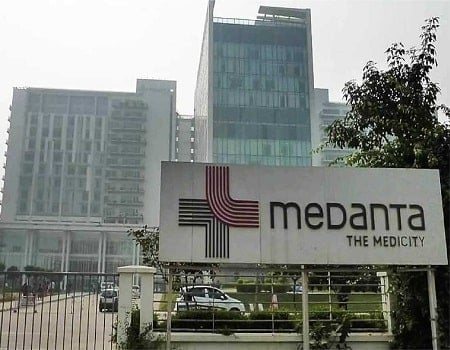
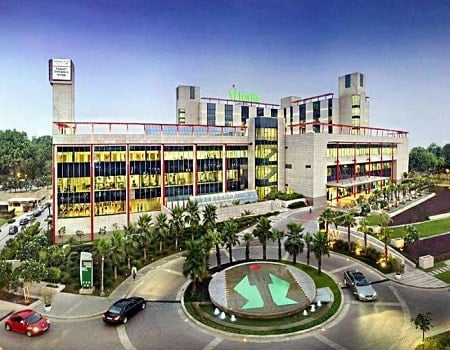
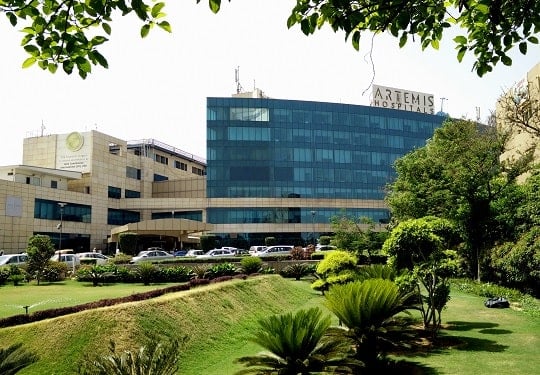
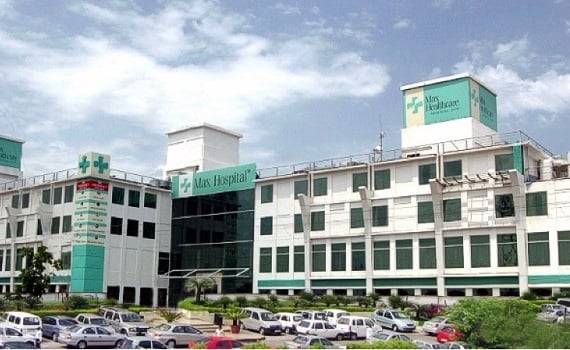
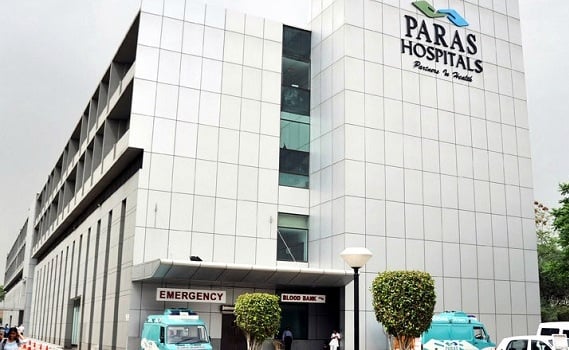
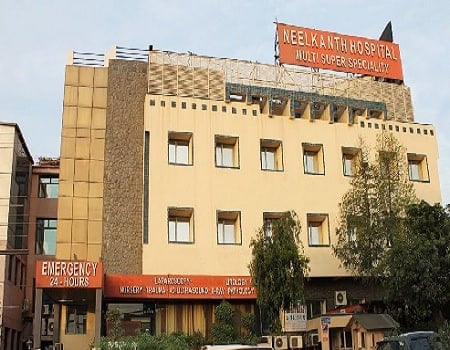
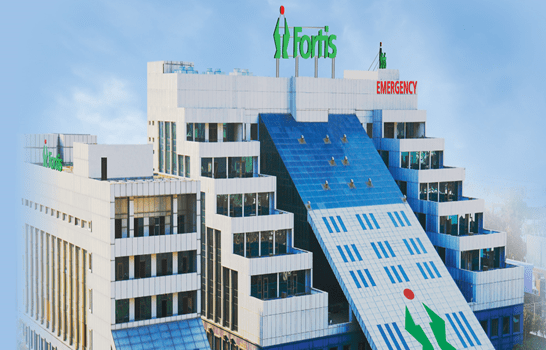
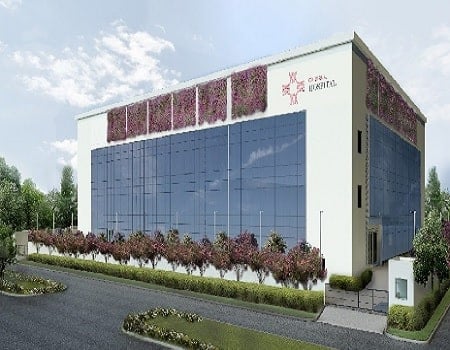
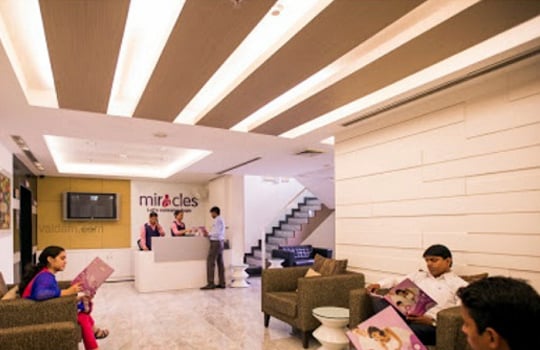
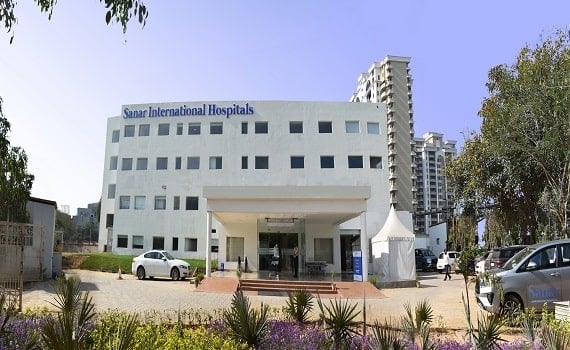
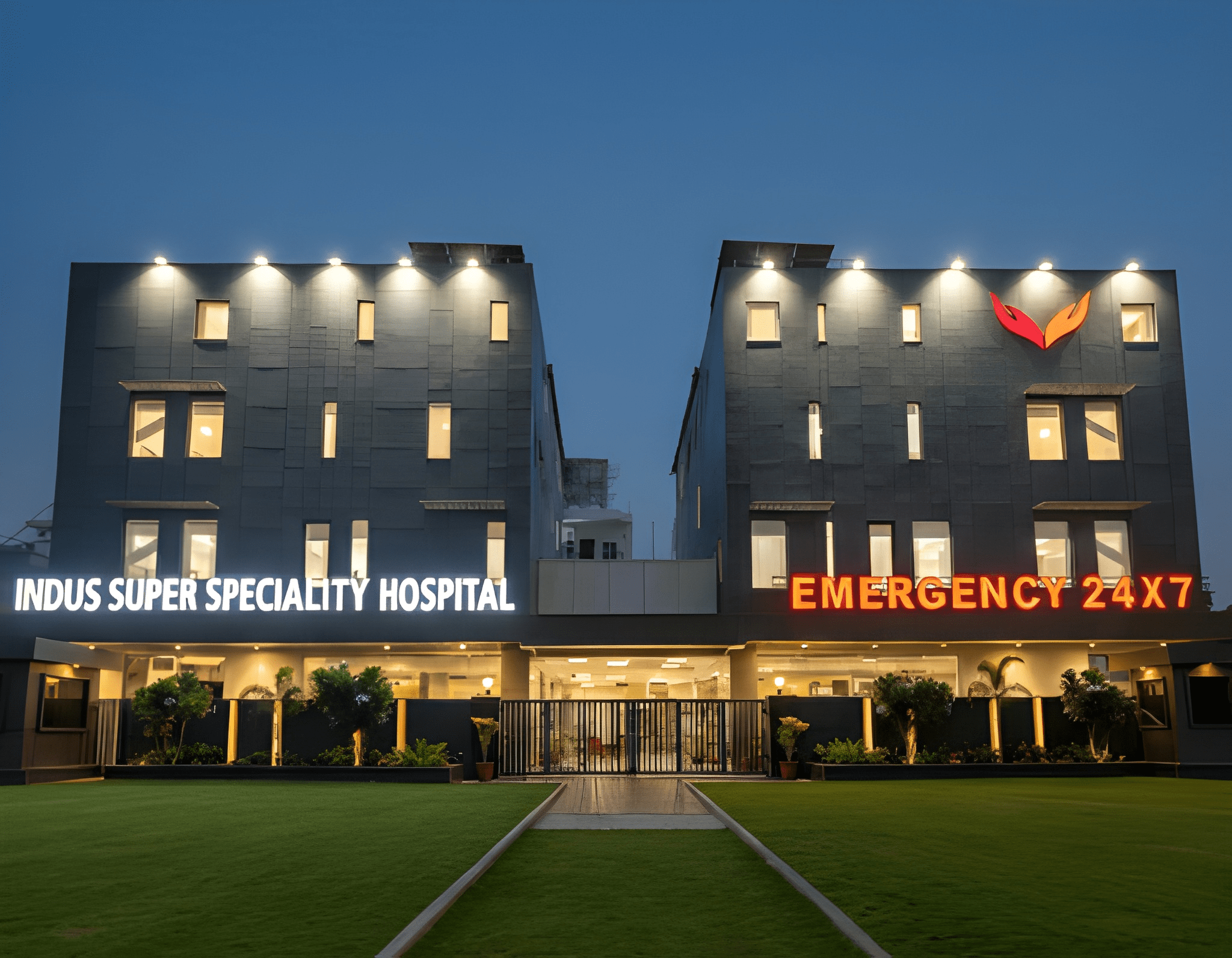
Top Hospitals in Gurgaon
Recommended Hospitals for RIRS


Frequently Asked Questions Related to RIRS Cost in Gurgaon
A thin bendable telescope is passed through the urethra into the kidney, where a laser breaks up the stones.
It is used for stones too large to pass but not large enough for PCNL, or stones that shockwave treatment missed.
Yes, University Hospitals Sussex explains RIRS is done under general anaesthetic, commonly as a day case.
A laser breaks the stone into small pieces, which may be taken out with a small basket or passed in the urine.
University Hospitals Sussex reports many people return to work within 7 to 10 days after ureteroscopy.
A stent can cause discomfort and a frequent need to pass urine until it is taken out, and drinking plenty helps.
The cost of RIRS in Gurgaon typically ranges from $620 to $6,000 USD (about ₹58,800 to ₹5.69 lakh), depending on the hospital, room category and type of procedure.
Allow for about a week, and longer if the stent must be taken out in Gurgaon, so it is worth asking when removal is due ahead of booking.
Send a recent CT scan of the kidneys, ureters and bladder and urine test results, so the urologist can plan the right stone treatment before you travel.
Check the urologist in the Indian Medical Register kept by the National Medical Commission and ask how commonly they perform flexible ureteroscopy.
 Chat