

What Is the Cost of RIRS in Germany?
The cost of RIRS in Germany typically ranges from $2,500 to $22,000 USD, depending on the hospital, city, and type of procedure.
Retrograde intrarenal surgery (RIRS) uses a thin flexible telescope passed through the urethra and bladder into the kidney to break up stones with a laser. In Germany, the total depends on:
- Stone size and number: which affect the time needed.
- Anaesthesia: general anaesthetic.
- Stent: often left for a short time.
- Day case or overnight: depending on recovery.
How Flexible Ureteroscopy Works
University Hospitals Sussex NHS Foundation Trust explains that RIRS (flexible ureteroscopy) is done under general anaesthetic, with stones broken up using a laser.
A stent may be left in the ureter and can cause discomfort until it is removed.
Our Services for RIRS in Germany
Transparent, professional support—without the hassles.
Book Doctor Appointment
Choose a specialist and schedule a convenient consultation.
Video or In-person Consultation
Consult remotely or meet your doctor directly at the hospital.
Compare Cost Estimates
Review transparent estimates from suitable hospitals.
Hospitalisation Support
Get coordinated assistance throughout your hospital stay.
 WhatsApp Us
Returning to Normal
Most people return to work after 7 to 10 days and can drive after about 2 weeks.
Drinking plenty of fluid helps fragments pass and reduces the chance of new stones.
RIRS in Germany
International patients are usually treated in Germany as self-paying patients: the hospital reviews the medical reports, sends a cost estimate and asks for an advance payment before admission, then settles the final bill after discharge.
Patients insured in another EU country need an S2 form from their own insurer for planned treatment in Germany, as the EHIC is intended for unplanned care.
Top Hospitals in Germany
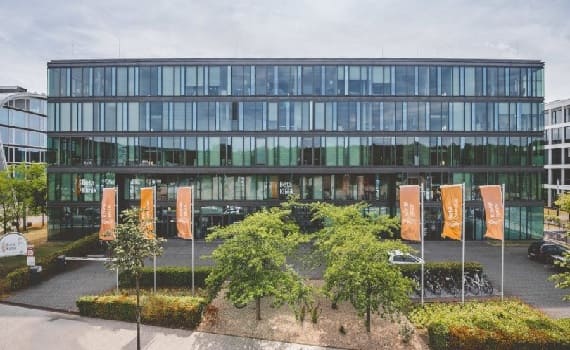
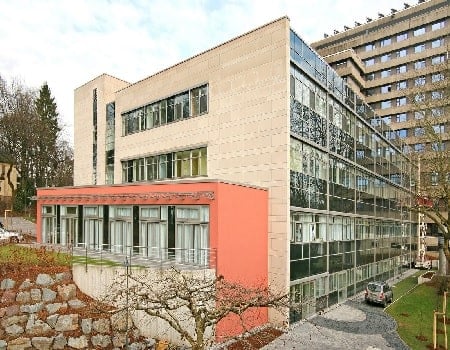
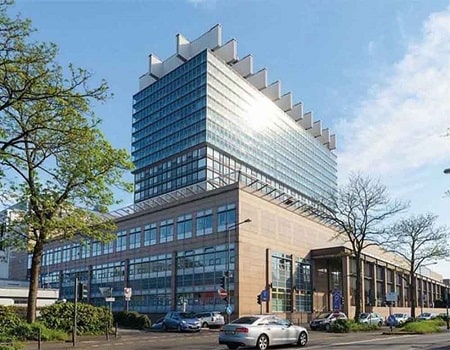
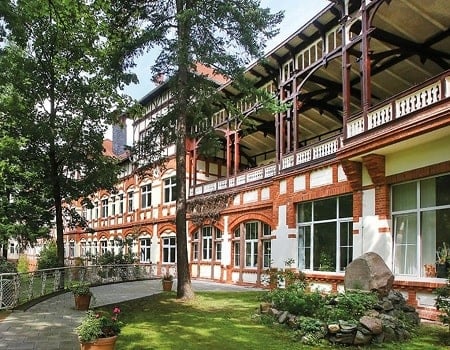
Recommended Hospitals for RIRS







Frequently Asked Questions Related to RIRS Cost in Germany
RIRS uses a thin flexible telescope passed through the urinary tract into the kidney to break up stones with a laser. There are no cuts on the skin.
Yes, University Hospitals Sussex describes RIRS as flexible ureteroscopy for kidney stones. Both names describe the same procedure.
Yes, the trust explains that RIRS is done under general anaesthetic. Most people go home the same or next day.
A stent keeps the ureter open while swelling settles after RIRS. It can cause discomfort until removed.
University Hospitals Sussex reports that most people return to work after 7 to 10 days. Stent symptoms may affect this.
The trust advises that most people can drive after about 2 weeks. You must be comfortable and able to brake safely.
The cost of RIRS in Germany typically ranges from $2,500 to $22,000 USD, depending on the hospital, city, and type of procedure.
RIRS uses the natural urinary passage, while PCNL goes through the back for larger stones. The urologist explains the choice.
The NHS lists infection, a blocked ureter, injury to the urinary tract and bleeding as possible complications of stone treatment. Serious problems are uncommon.
Patients insured in another EU country can apply to their insurer for an S2 form for planned treatment. The EHIC is intended for unplanned care.
 Chat