

What Is the Cost of Dislocation Repair Surgery in India?
The cost of dislocation repair in India typically ranges from $1,500 to $7,000 USD, depending on the hospital, city, and type of procedure.
Dislocation repair (stabilisation) surgery tightens or rebuilds the soft tissues that keep a joint in place, so it stops slipping out. This page focuses on the shoulder, the joint most often affected by repeated dislocation. The cost depends on:
- Type of operation: keyhole soft-tissue repair or open bone-block surgery.
- Implants: anchors or screws.
- Anaesthesia: general anaesthetic or nerve block.
- Physiotherapy: rehabilitation lasts months.
The cost of repairing a dislocation in another joint, such as the kneecap or hip, may differ. Ask for a quote for your specific joint.
Why Shoulders Keep Dislocating
Gateshead Health NHS Foundation Trust explains that the shoulder is very mobile, so it relies on the labrum, ligaments, joint capsule and rotator cuff for stability. Dislocations are more common in younger people, often after injury or contact sport.
Symptoms range from slipping (subluxation) to full dislocation, most often to the front. Physiotherapy is tried first, and for instability without injury, surgery is usually not recommended.
Our Services for Repair of dislocations in India
Transparent, professional support—without the hassles.
Book Doctor Appointment
Choose a specialist and schedule a convenient consultation.
Video or In-person Consultation
Consult remotely or meet your doctor directly at the hospital.
Compare Cost Estimates
Review transparent estimates from suitable hospitals.
Hospitalisation Support
Get coordinated assistance throughout your hospital stay.
 WhatsApp Us
Surgical Options
When physiotherapy fails, Gateshead Health describes two main operations:
- Bankart (labral) repair: reattaches the torn labrum and ligaments; usually keyhole day-case surgery.
- Latarjet procedure: moves a small piece of bone with its attached muscle to rebuild the front of the socket; used for bone loss or after a failed repair.
University Hospital Southampton NHS Foundation Trust reports that anterior stabilisation is successful in about 90% of patients.
Dislocation Repair Surgery: Recovery and Risks
The Gateshead leaflet advises using the other arm for daily tasks for 3 to 6 weeks and not lying on the operated shoulder for 6 weeks. Typical timelines are:
- Driving: at least 6 to 8 weeks.
- Work: 4 to 12 weeks off, avoiding heavy or overhead work for 4 to 6 months.
- Contact sport: usually 6 to 9 months.
Infection, bleeding and nerve or blood vessel injury are each under 1%. Recurrent instability occurs in under 10% and may need revision surgery.
Top Doctors in India
Recommended Doctors for Repair of dislocations





Top Hospitals in India
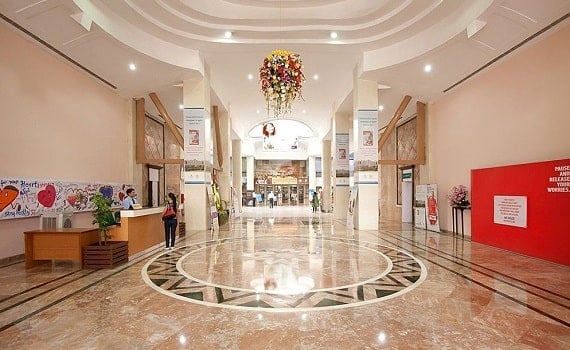
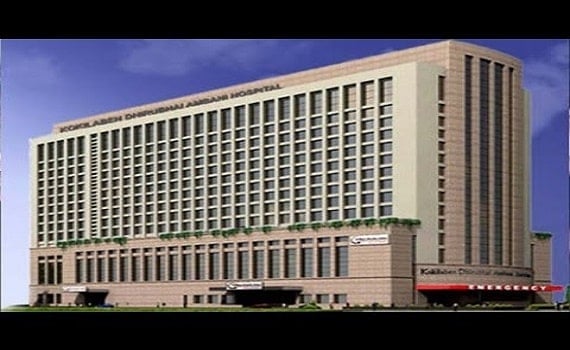
Recommended Hospitals for Repair of dislocations


Frequently Asked Questions Related to Repair of dislocations Cost in India
It is surgery to tighten or rebuild the tissues that hold a joint in place, so it stops dislocating. For the shoulder, the most common operations are the Bankart repair and the Latarjet procedure.
Not always. Physiotherapy is usually tried first, and surgery is considered if the joint keeps slipping out or feels unstable.
Serious complications are uncommon. Gateshead Health NHS reports infection, bleeding and nerve or blood vessel injury each below 1%.
University Hospital Southampton NHS reports success in about 90% of patients. Recurrent instability occurs in under 10%.
For most people it greatly reduces the chance of further dislocation. A small number have instability again and may need more surgery.
A Bankart repair reattaches torn soft tissue, usually by keyhole surgery. A Latarjet adds bone to the front of the socket and is used when there is bone loss or a previous repair has failed.
The cost of dislocation repair in India typically ranges from $1,500 to $7,000 USD, depending on the hospital, city, and type of procedure.
Gateshead Health NHS advises avoiding driving for at least 6 to 8 weeks.
Usually after 6 to 9 months. Full recovery can take up to a year.
Many people return to their previous activities, but returning to the same level is not certain. Discuss your goals with your surgical team.
 Chat