

What Is the Cost of Radiofrequency Ablation in Germany?
The cost of radiofrequency ablation in Germany typically ranges from $11,000 to $26,000 USD, depending on the hospital, city, and type of procedure.
This page covers cardiac radiofrequency ablation, a catheter procedure that uses heat to treat abnormal heart rhythms. Radiofrequency ablation is also used for pain and varicose veins, which are separate procedures. In Germany, the total depends on:
- Type of rhythm problem: simpler rhythms take less time than atrial fibrillation.
- Mapping systems: 3D mapping equipment adds to the cost.
- Ablation catheters: heat (radiofrequency) or freezing (cryo) catheters.
- Day case or overnight stay: most people go home on the same day.
Radiofrequency ablation is used in other specialties too. Confirm that the estimate is for the heart rhythm procedure you need.
What Happens During Cardiac Ablation
West Hertfordshire Teaching Hospitals explains that thin catheters are passed through veins in the groin to the heart under local anaesthetic, sometimes with sedation. An electrophysiology study of about 45 to 60 minutes is done first to find the source of the abnormal rhythm.
Ablation usually adds another 30 to 40 minutes. Energy is delivered as heat or by freezing to create small scars that block the faulty electrical pathway.
Our Services for Radiofrequency Ablation in Germany
Transparent, professional support—without the hassles.
Book Doctor Appointment
Choose a specialist and schedule a convenient consultation.
Video or In-person Consultation
Consult remotely or meet your doctor directly at the hospital.
Compare Cost Estimates
Review transparent estimates from suitable hospitals.
Hospitalisation Support
Get coordinated assistance throughout your hospital stay.
 WhatsApp Us
Recovery and Risks After Ablation
Most people go home the same day. The trust advises avoiding heavy lifting for 2 weeks, strenuous exercise for 2 months and flying for 7 days, while driving a car is usually possible after 2 days.
Serious complications are reported in fewer than 1 in 1,000 procedures. For some rhythms close to the heart's natural pacemaker, there is a risk of up to 1% of needing a pacemaker afterwards.
Cardiac Ablation in Germany
International patients are usually treated in Germany as self-paying patients: the hospital reviews the medical reports, sends a cost estimate and asks for an advance payment before admission, then settles the final bill after discharge.
Inpatient hospital care in Germany is billed under the German DRG system, which depends on the main diagnosis, other diagnoses and the procedures carried out, so the final amount is known only after the stay.
Because the trust advises against flying for 7 days after ablation, international patients should allow time in Germany before travelling home.
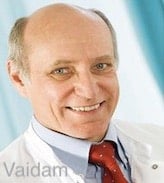
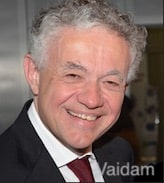
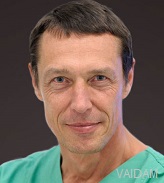
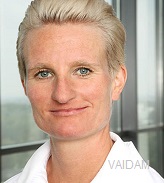
Top Doctors in Germany
Recommended Doctors for Radiofrequency Ablation



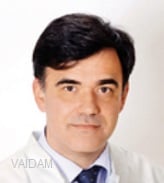
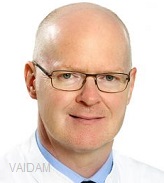

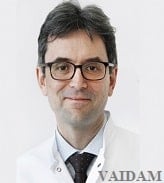

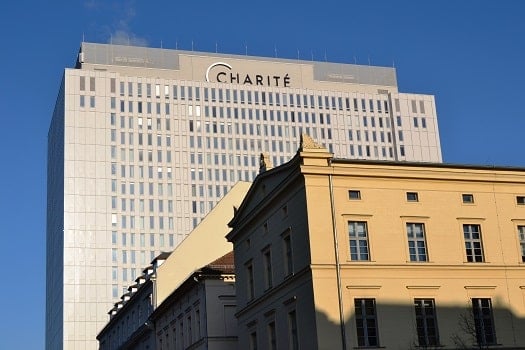
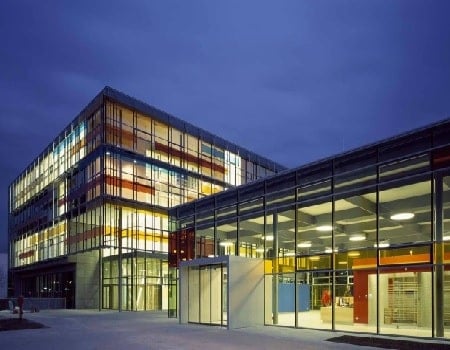
Top Hospitals in Germany
Recommended Hospitals for Radiofrequency Ablation





Frequently Asked Questions Related to Radiofrequency Ablation Cost in Germany
It is a catheter procedure that uses heat to create tiny scars in the heart tissue causing an abnormal rhythm. The scars block the faulty electrical signals.
Ablation is used for several rhythm problems, including some fast rhythms and atrial fibrillation. Procedures for atrial fibrillation usually take longer.
It is usually done under local anaesthetic, sometimes with sedation, through veins in the groin. Some centres use general anaesthetic for longer procedures.
The electrophysiology study takes about 45 to 60 minutes, and ablation usually adds 30 to 40 minutes. Complex rhythms can take longer.
Cryoablation freezes the target tissue instead of heating it. Both aim to block the faulty electrical pathway.
West Hertfordshire Teaching Hospitals advises avoiding flying for 7 days after ablation. International patients should plan their stay in Germany around this.
The cost of radiofrequency ablation in Germany typically ranges from $11,000 to $26,000 USD, depending on the hospital, city, and type of procedure.
Serious complications are reported in fewer than 1 in 1,000 procedures. Some ablations close to the heart's natural pacemaker carry a risk of up to 1% of needing a pacemaker.
The trust advises avoiding heavy lifting for 2 weeks and strenuous exercise for 2 months. Light walking can usually start straight away.
It depends on the hospital and whether an overnight stay is needed. Ask whether the estimate covers 3D mapping and any overnight monitoring.
 Chat