

What Is the Cost of Laparoscopic Donor Nephrectomy in India?
The cost of laparoscopic donor nephrectomy in India typically ranges from $500 to $6,000 USD, depending on the hospital, city, and type of procedure.
This page covers laparoscopic (keyhole) donor nephrectomy, the operation to remove a kidney from a healthy living donor for transplant. The cost usually depends on:
- Donor evaluation: blood tests, imaging and checks to confirm the donor can safely give a kidney.
- Surgical approach: laparoscopic or robotic-assisted surgery.
- Hospital stay: usually a few days.
- Legal process: approval under India's transplantation law.
This page title combines prostate surgery and donor nephrectomy, which are separate procedures. Ask for a quote for the exact procedure you need.
What Donor Nephrectomy Involves
In living kidney donation, a healthy person gives one kidney to someone with kidney failure. The remaining kidney is able to do the work of two in most healthy donors.
NICE guidance (IPG57) explains that laparoscopic live donor nephrectomy uses several small cuts and a camera. The kidney is freed and removed through a slightly larger cut. In India, living donation is regulated under the Transplantation of Human Organs and Tissues Act.
Our Services for Prostate and Lap Dollar Nephrectomy in India
Transparent, professional support—without the hassles.
Book Doctor Appointment
Choose a specialist and schedule a convenient consultation.
Video or In-person Consultation
Consult remotely or meet your doctor directly at the hospital.
Compare Cost Estimates
Review transparent estimates from suitable hospitals.
Hospitalisation Support
Get coordinated assistance throughout your hospital stay.
 WhatsApp Us
Laparoscopic Donor Nephrectomy: What the Evidence Shows
NICE found that laparoscopic donor nephrectomy is safe and works well enough for routine use. It reported that:
- Complications: up to about 1 in 5 donors had complications after keyhole surgery, compared with about 1 in 3 after open surgery.
- Hospital stay: shorter after keyhole surgery.
- Return to work: earlier after keyhole surgery.
As with any operation, there are risks such as bleeding, infection and the need to switch to open surgery.
Prostate Surgery and Donor Nephrectomy Are Separate Procedures
The title of this page refers to both prostate surgery and laparoscopic donor nephrectomy. These are unrelated operations:
- Prostate surgery: such as TURP or prostatectomy, treats an enlarged prostate or prostate cancer.
- Donor nephrectomy: removes a healthy kidney from a living donor for transplant.
Separate pages cover prostate procedures in more detail. Always confirm the exact procedure with your urologist or transplant team.
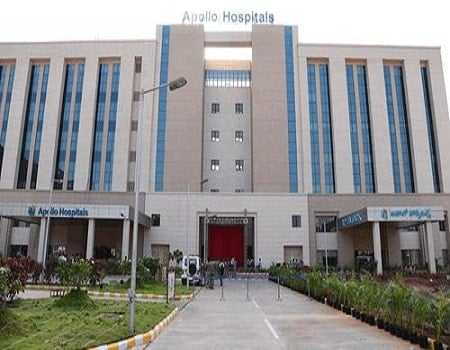
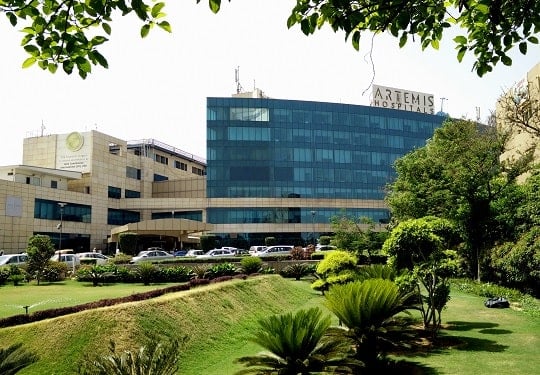
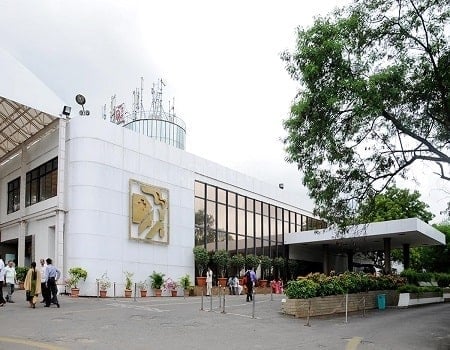
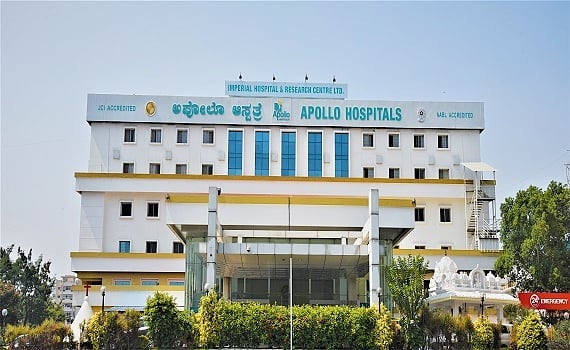
Top Hospitals in India
Recommended Hospitals for Prostate and Lap Dollar Nephrectomy










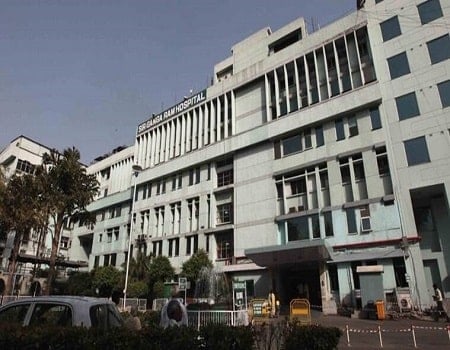
Frequently Asked Questions Related to Prostate and Lap Dollar Nephrectomy Cost in India
It is keyhole surgery to remove a healthy kidney from a living donor so it can be transplanted into someone with kidney failure.
NICE guidance found it safe and effective enough for routine use. As with any operation, there are risks, including bleeding and infection.
NICE reported complications in up to about 1 in 5 donors after keyhole surgery, compared with about 1 in 3 after open surgery. Hospital stays were shorter and donors returned to work earlier.
Most healthy donors live normal lives with one kidney. Donors are carefully assessed first, and regular check-ups are advised afterwards.
Under the Transplantation of Human Organs and Tissues Act, living donors are usually close relatives. Other donors need approval from an authorisation committee.
The stay is usually a few days after keyhole surgery. The transplant team will advise based on your recovery.
The cost of laparoscopic donor nephrectomy in India typically ranges from $500 to $6,000 USD, depending on the hospital, city, and type of procedure.
The page title combines prostate surgery and donor nephrectomy, which are separate procedures. Confirm with your doctor which procedure you need.
Donors have blood and urine tests, kidney function tests, imaging of the kidneys and blood vessels, and heart checks.
NICE reported that donors return to work earlier after keyhole surgery than after open surgery. The exact time depends on the type of work.
 Chat