

What Is the Cost of Pilonidal Sinus Treatment in Germany?
The cost of Pilonidal Sinus treatment in Germany typically ranges from $2,500 to $22,000 USD, depending on the hospital, city, and type of procedure.
A pilonidal sinus is a small channel in the skin at the upper end of the buttock cleft that can fill with hair and become infected. In Germany, the total depends on:
- Treatment needed: draining an abscess or removing the sinus.
- Wound closure: left open to heal, stitched closed, closed with a flap or treated endoscopically.
- Anaesthesia: local or general.
- Wound care: dressing changes after open healing.
Draining a simple abscess usually costs much less than the upper end of this range.
Pilonidal Sinus: When Treatment Is Needed
The NHS notes that a pilonidal sinus is more common in men and in people who sit for long periods. If it is not infected, keeping the area clean is usually enough.
An infected sinus can form a painful abscess that is drained through a small cut, often alongside antibiotics. Surgery to remove the sinus may follow if infections keep coming back.
Our Services for Pilonidal Sinus Treatment in Germany
Transparent, professional support—without the hassles.
Book Doctor Appointment
Choose a specialist and schedule a convenient consultation.
Video or In-person Consultation
Consult remotely or meet your doctor directly at the hospital.
Compare Cost Estimates
Review transparent estimates from suitable hospitals.
Hospitalisation Support
Get coordinated assistance throughout your hospital stay.
 WhatsApp Us
Pilonidal Sinus Operations Compared
- Excision with the wound left open: lowest chance of recurrence, but regular dressings are needed while it heals.
- Excision with stitches: faster healing, with stitches out after about ten days, but a higher infection risk.
- Endoscopic treatment: a camera is used to clean and seal the tract, with healing in about a month.
- Flap procedures: for large or recurrent sinuses.
The NHS says most people return to work within about two weeks and avoid cycling for six to eight weeks.
Pilonidal Sinus Treatment in Germany: Practical Points
Open wounds may need dressing changes for weeks, so international patients should ask how follow-up wound care will be arranged after they travel home. International patients are usually treated in Germany as self-paying patients: the hospital reviews the medical reports, sends a cost estimate and asks for an advance payment before admission, then settles the final bill after discharge.
Top Doctors in Germany
Recommended Doctors for Pilonidal Sinus Treatment

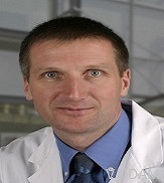
Prof. Dr. Helmut Friess
Senior Consultant
General SurgeonUniversity Hospital Rechts der Isar













Top Hospitals in Germany
Recommended Hospitals for Pilonidal Sinus Treatment















Frequently Asked Questions Related to Pilonidal Sinus Treatment Cost in Germany
Hair and skin debris can collect in a small channel in the skin at the upper end of the buttock cleft. The channel can then become infected and painful.
No. If a pilonidal sinus is not infected, the NHS advises keeping the area clean and watching for changes.
An abscess is usually drained through a small cut, often with antibiotics. An operation to remove the sinus may follow if infections keep returning.
Removing the sinus and leaving the wound open to heal has the lowest risk of recurrence. It takes longer to heal and needs regular dressings.
A small camera is used to remove hair and infected tissue and seal the tract with heat. It avoids a large wound, and healing usually takes about a month.
Most people return to work within about two weeks, depending on the operation and the job. Cycling is usually avoided for six to eight weeks.
The cost of Pilonidal Sinus treatment in Germany typically ranges from $2,500 to $22,000 USD, depending on the hospital, city, and type of procedure.
Yes, recurrence is a known problem, especially after repeated infections. The type of operation affects the risk.
Keeping the area clean, avoiding long periods of sitting and wearing loose underwear can help. Hair removal should only be done if a doctor advises it.
Not always, but open wounds need regular dressings for several weeks, so plan follow-up care before travelling home. Ask the surgeon which technique suits a shorter stay.
 Chat