

What Is the Cost of Bedwetting (Nocturnal Enuresis) Treatment in India?
Pediatric Nocturnal Enuresis treatment in India typically ranges from $500 to $6,000 USD, depending on the hospital, city, and type of procedure.
For most children, bedwetting is managed through outpatient visits rather than hospital care, so costs depend on:
- Assessment: consultation, urine test and a bladder diary; an ultrasound only if there are other symptoms.
- Bedwetting alarm: a one-time device purchase; it usually needs several weeks to months of consistent use.
- Medicine: desmopressin, taken at bedtime, is a recurring monthly cost.
- Specialist work-up: needed only when there is daytime wetting, infections or other warning signs.
Most children do not need hospital admission or invasive tests for bedwetting alone.
When Bedwetting Needs a Doctor
Bedwetting is common and often runs in families, and the NHS notes that most children grow out of it. Treatment is usually offered from about age five, when it bothers the child or family. See a doctor sooner if:
- The child was dry for six months or more and has started wetting again: this can signal infection, constipation, diabetes or stress.
- There is daytime wetting, urgency or pain: suggesting a bladder problem rather than simple bedwetting; see the non-neurogenic voiding dysfunction page.
- There is excessive thirst, weight loss or tiredness: which may suggest diabetes.
- There is constipation: which commonly worsens bladder control.
Our Services for Pediatric Nocturnal Enuresis Treatment in India
Transparent, professional support—without the hassles.
Book Doctor Appointment
Choose a specialist and schedule a convenient consultation.
Video or In-person Consultation
Consult remotely or meet your doctor directly at the hospital.
Compare Cost Estimates
Review transparent estimates from suitable hospitals.
Hospitalisation Support
Get coordinated assistance throughout your hospital stay.
 WhatsApp Us
Alarm or Medicine?
Both are effective, and the choice depends on the child and family:
- Bedwetting alarm: trains the child to wake to a full bladder; slower to work but has a lower relapse rate when stopped.
- Desmopressin: reduces night-time urine production; works quickly and is useful for sleepovers or travel, but bedwetting often returns when it is stopped.
- Fluid advice with desmopressin: limit drinks from an hour before until eight hours after the dose to avoid low sodium.
- Combination: used when either alone has not worked.
What Helps at Home
Simple measures support treatment, and some common practices make things worse.
- Do: give enough water during the day, have the child use the toilet before bed, and keep a calm, matter-of-fact approach.
- Avoid: caffeinated drinks such as cola, tea and coffee in the evening.
- Don't: punish the child, or rely on lifting them at night, which the NHS says does not help in the long term.
- Herbal and homeopathic remedies: lack good evidence; discuss them with your doctor.
Indian hospitals commonly advertise savings of 60% to 80% compared with the United States, UK, or private Middle Eastern centers. Treat that as a general comparison rather than a verified figure for this treatment, and compare itemised written quotes.
Top Doctors in India
Recommended Doctors for Pediatric Nocturnal Enuresis Treatment

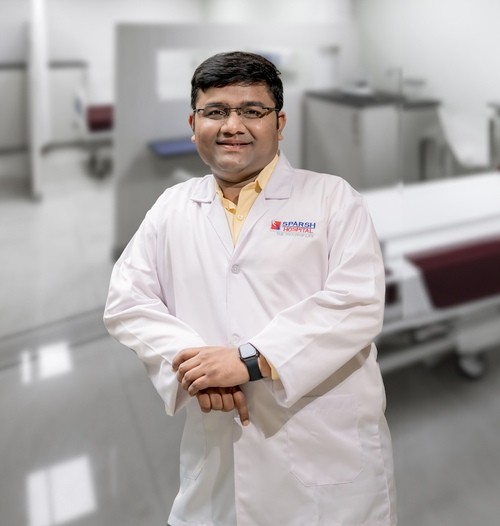

Top Hospitals in India
Recommended Hospitals for Pediatric Nocturnal Enuresis Treatment

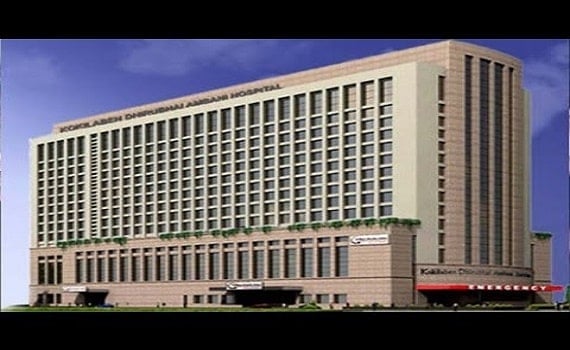

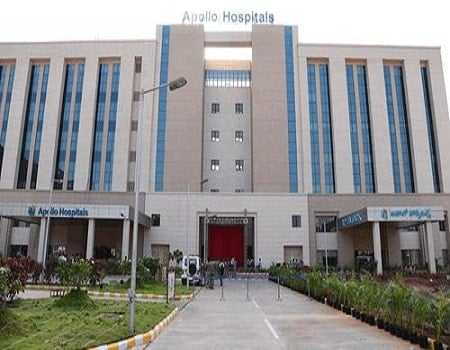

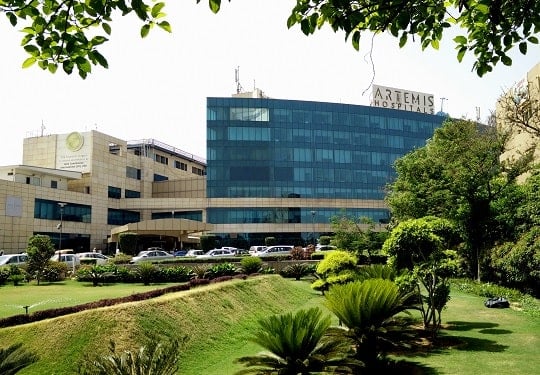





Frequently Asked Questions Related to Pediatric Nocturnal Enuresis Treatment Cost in India
At this age, a bedwetting alarm used consistently, desmopressin, or both are usually recommended after checking for constipation, infection and daytime bladder problems. A specialist review is reasonable if first-line treatment fails.
Desmopressin is the main medicine. It works quickly but bedwetting often returns when it is stopped, so an alarm is often preferred for a lasting result.
There is no good evidence that they work. Many children improve naturally over time, which can make remedies seem effective.
Treatment is usually considered from about age five. Bedwetting before that is common and normal.
No. Children should drink enough during the day. Avoid caffeinated drinks in the evening and, if desmopressin is used, follow the fluid limit around the dose.
A moisture sensor triggers a sound or vibration at the first drops of urine, gradually training the child to wake or hold urine. It usually takes several weeks to work.
Pediatric Nocturnal Enuresis treatment in India typically ranges from $500 to $6,000 USD, depending on the hospital, city, and type of procedure.
Most children only need outpatient assessment, an alarm or medicine, which sit at the low end of costs.
Usually not. Most bedwetting is due to a combination of night-time urine production, bladder capacity and deep sleep, and often runs in families. Stress can trigger wetting to restart.
Only if there are daytime symptoms, urinary infections, poor stream, constipation or other warning signs.
Most do, but treatment speeds things up and reduces the emotional impact.
 Chat