

What Is the Cost of Primary Peritoneal Cancer Treatment in India?
Primary Peritoneal Cancer treatment in India typically ranges from $3,000 to $15,000 USD, depending on the hospital, city, and type of procedure.
Primary peritoneal cancer usually presents with disease spread across the abdominal lining, so the cost depends on how extensive the surgery is and how much chemotherapy is given:
- Cytoreductive surgery: removing all visible tumour can take many hours, may include bowel or diaphragm resections, and often needs one to three days in intensive care.
- HIPEC: heated chemotherapy washed through the abdomen at the end of surgery adds theatre time and perfusion equipment costs, and is used only for selected patients.
- Chemotherapy and maintenance: carboplatin and paclitaxel cycles, then possibly PARP inhibitors or bevacizumab.
Ask whether HIPEC is actually recommended in your case before comparing quotes that include it.
Where HIPEC Fits, and Where It Does Not
HIPEC is heavily promoted, but the strongest evidence is narrow. The OVHIPEC-1 trial studied women with stage III ovarian-type cancer who had three cycles of chemotherapy before surgery. Adding HIPEC (cisplatin, 90 minutes) at that interval surgery improved median overall survival from about 33 to 45 months.
- Supported use: selected stage III patients at interval surgery after neoadjuvant chemotherapy, in experienced centres.
- Less certain: HIPEC at primary surgery or for recurrence; results from trials are mixed.
- What matters most: achieving complete removal of visible disease, which depends on the surgical team's experience.
Our Services for Primary Peritoneal Cancer Treatment in India
Transparent, professional support—without the hassles.
Book Doctor Appointment
Choose a specialist and schedule a convenient consultation.
Video or In-person Consultation
Consult remotely or meet your doctor directly at the hospital.
Compare Cost Estimates
Review transparent estimates from suitable hospitals.
Hospitalisation Support
Get coordinated assistance throughout your hospital stay.
 WhatsApp Us
Diagnosing Primary Peritoneal Cancer
This cancer starts in the peritoneum and behaves like high-grade serous ovarian cancer, but the ovaries may look nearly normal. It is often found because of fluid in the abdomen (ascites).
- Imaging: CT of chest, abdomen and pelvis or PET-CT to map disease.
- Tissue diagnosis: biopsy of peritoneal deposits or cytology of ascitic fluid.
- Laparoscopy: used by many surgeons to judge whether complete removal is achievable, sometimes scored with the Peritoneal Cancer Index.
- Genetic testing: BRCA1/2 and homologous recombination testing guide maintenance choices.
Recovering From Cytoreductive Surgery
Recovery after extensive cytoreduction is slower than after standard gynaecological surgery. Expect around 7 to 12 days in hospital, including intensive care, and a further two to three weeks before flying.
- Common early issues: slow return of bowel function, fluid in the chest, wound healing problems.
- Chemotherapy timing: usually resumed four to six weeks after surgery.
- Follow-up: examination and CA-125 every three to four months initially.
Indian hospitals commonly advertise savings of 60% to 80% compared with the United States, UK, or private Middle Eastern centers. Treat that as a general comparison rather than a verified figure for this treatment, and compare itemised written quotes.
Top Doctors in India
Recommended Doctors for Primary Peritoneal Cancer Treatment

Top Hospitals in India
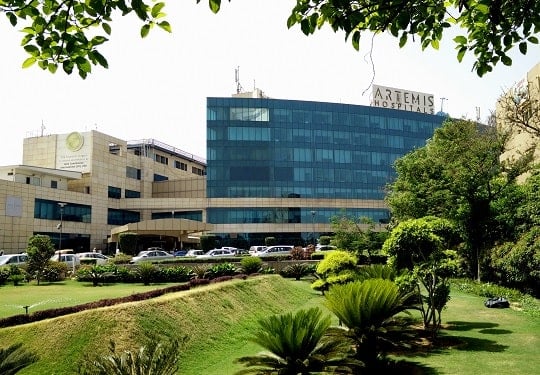
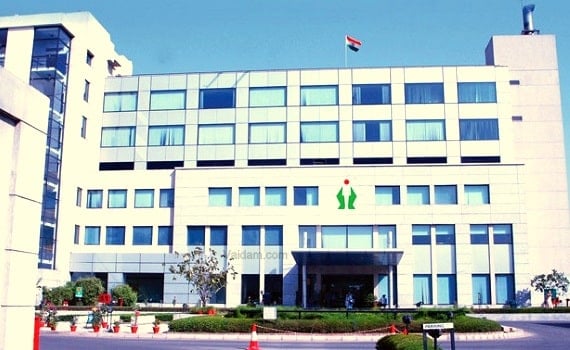
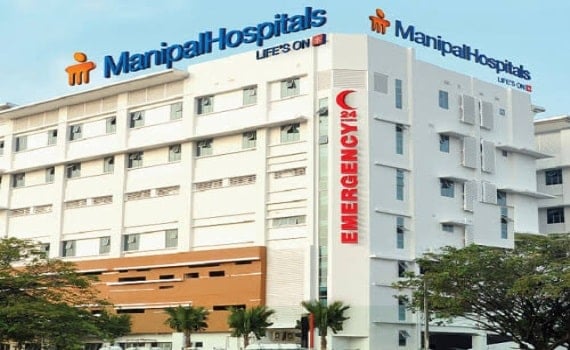
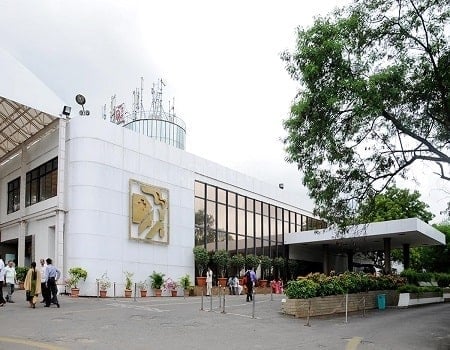
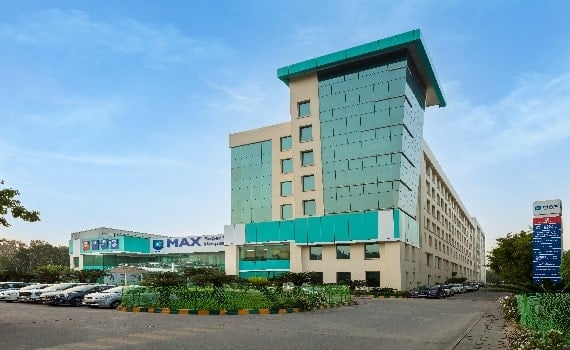
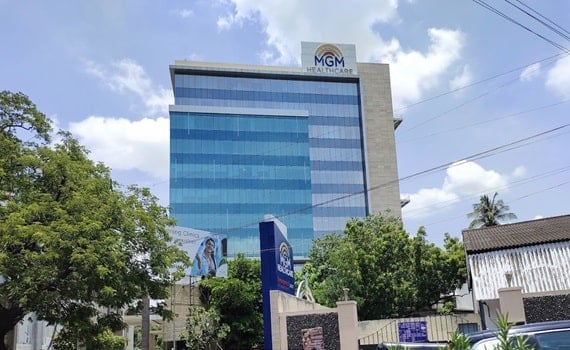
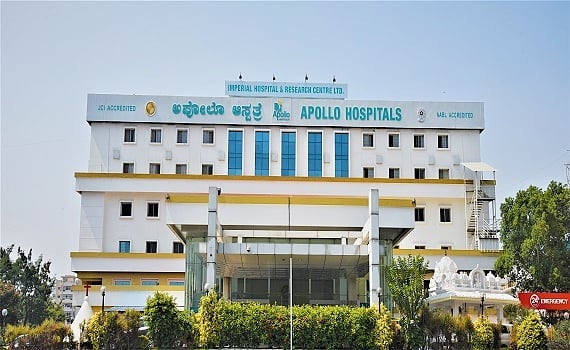
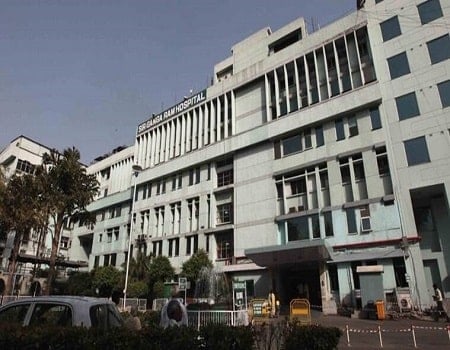
Recommended Hospitals for Primary Peritoneal Cancer Treatment



Frequently Asked Questions Related to Primary Peritoneal Cancer Treatment Cost in India
Survival varies widely with the amount of disease left after surgery, BRCA status and response to chemotherapy. Many patients live several years with treatment, and those with BRCA mutations treated with PARP inhibitors tend to do better.
It is very similar in behaviour and treatment to high-grade serous ovarian and fallopian tube cancer, and is staged with the same FIGO system. The difference is where the cancer mainly arises.
Yes, several Indian cancer centres perform cytoreductive surgery with HIPEC. Ask how many cases the team performs each year and whether HIPEC is recommended for your specific stage and timing.
No. The best evidence supports HIPEC for selected stage III patients at interval surgery after chemotherapy. Many patients are treated with surgery and intravenous chemotherapy alone.
Swelling of the abdomen from fluid, bloating, early fullness, loss of appetite, abdominal discomfort and weight loss.
Typically six cycles of carboplatin and paclitaxel, every three weeks, divided before and after surgery when chemotherapy is given first.
Primary Peritoneal Cancer treatment in India typically ranges from $3,000 to $15,000 USD, depending on the hospital, city, and type of procedure.
Quotes that bundle HIPEC are not comparable with surgery-only quotes, so ask for both.
Risks include bowel leak, prolonged ileus, bleeding, infection, chest fluid, and kidney strain from cisplatin. Complication rates depend strongly on how extensive the surgery is and on centre experience.
PARP inhibitors such as olaparib or niraparib, or bevacizumab, given after a response to chemotherapy to delay recurrence. The choice depends on BRCA and homologous recombination results.
If you carry a BRCA1/2 or similar mutation, first-degree relatives can be offered testing. Carriers can then choose screening or risk-reducing surgery.
 Chat