

What Is the Cost of Osteotomy in India?
The cost of osteotomy in India typically ranges from $500 to $6,000 USD, depending on the hospital, city, and type of procedure.
An osteotomy is any operation in which a surgeon cuts a bone and changes its alignment or length. It is commonly used around the knee and hip to move load away from damaged cartilage. The cost depends on:
- Which bone is treated: for example the shin, thigh, pelvis or a foot bone.
- Fixation: plates, screws or nails.
- Bone graft: needed for some corrections.
- Length of rehabilitation: some osteotomies need weeks of protected walking.
Osteotomy is a broad term. Ask for a quote based on the exact procedure your surgeon recommends.
Common Types of Osteotomy
The specific operation depends on where the problem lies:
- High tibial osteotomy: realigns the shin bone below the knee for arthritis on the inner side.
- Distal femoral osteotomy: realigns the thigh bone above the knee, often for knock knees.
- Periacetabular osteotomy: repositions a shallow hip socket.
- Tibial tubercle osteotomy: moves the bony attachment of the kneecap tendon to improve kneecap tracking.
- Foot and ankle osteotomies: correct deformities such as high arches or bunions.
Our Services for Osteotomy in India
Transparent, professional support—without the hassles.
Book Doctor Appointment
Choose a specialist and schedule a convenient consultation.
Video or In-person Consultation
Consult remotely or meet your doctor directly at the hospital.
Compare Cost Estimates
Review transparent estimates from suitable hospitals.
Hospitalisation Support
Get coordinated assistance throughout your hospital stay.
 WhatsApp Us
Why Choose an Osteotomy?
Royal Berkshire Hospital NHS Foundation Trust explains that knee osteotomy preserves the natural joint and is often described as buying time before a replacement. It is mainly offered to younger, active people whose damage is limited to one part of the joint.
Because the patient keeps their own joint, there are fewer activity restrictions than after some replacements. However, recovery is often longer, because the cut bone must heal.
Osteotomy: Recovery and Risks
Recovery depends on the bone involved. After a knee osteotomy, the NHS leaflet describes crutches for about 4 to 6 weeks (longer for femoral osteotomy) and an overall recovery of about 4 to 6 months.
General risks include blood clots, delayed bone healing or non-union, infection, and nerve or blood vessel injury. The metalwork may need removing later if it causes discomfort.
Top Doctors in India
Recommended Doctors for Osteotomy
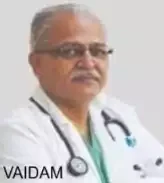


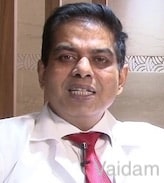
Dr. Sajan K Hegde
Senior Consultant
Spine SurgeonApollo Hospitals, Greams Road, Chennai








Top Hospitals in India
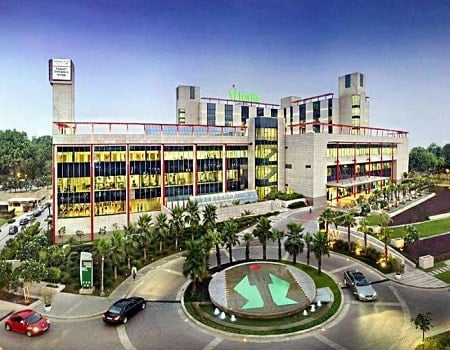
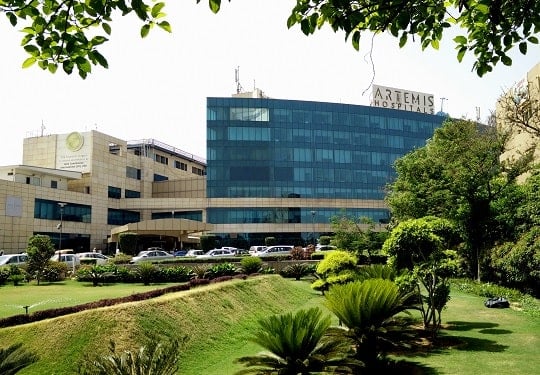
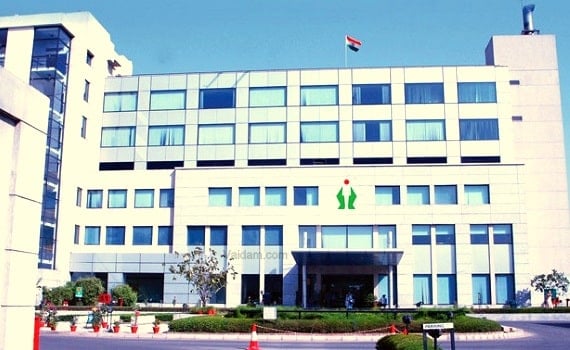
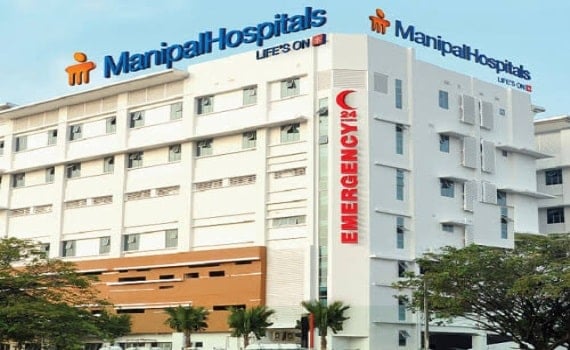
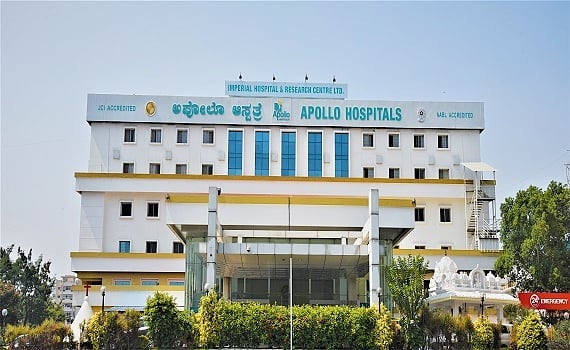
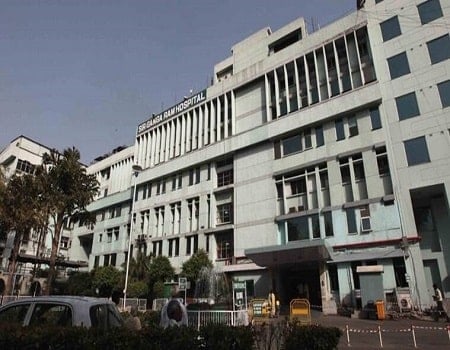
Recommended Hospitals for Osteotomy


Frequently Asked Questions Related to Osteotomy Cost in India
An osteotomy is an operation that cuts a bone to change its alignment, length or shape. The bone is then held in place with metalwork while it heals.
It is often done to shift weight away from a damaged part of a joint, or to correct a deformity. Around the knee, it can delay the need for a joint replacement.
Yes, it is a bone operation that usually needs a general or spinal anaesthetic. Recovery is often several months because the cut bone must heal.
Risks include blood clots, delayed healing, infection and, rarely, nerve or blood vessel injury. For knee osteotomy, the Royal Berkshire NHS leaflet gives figures of about 1 to 5 in 100 for clots and delayed healing.
It is mainly offered to younger, active people whose joint damage is limited to one area. The exact age range depends on the joint and the reason for surgery.
It is not better or worse in general, but it suits a different group of people. Osteotomy keeps the natural joint, while replacement is usually preferred for widespread arthritis.
The cost of osteotomy in India typically ranges from $500 to $6,000 USD, depending on the hospital, city, and type of procedure.
After a knee osteotomy, recovery usually takes about 4 to 6 months. Crutches are typically needed for at least 4 to 6 weeks.
There is pain after surgery, which is managed with medicines and gradually eases as the bone heals. Most people find it improves steadily over the first few weeks.
It may be removed after healing if it can be felt or causes discomfort. Many people keep their metalwork permanently.
 Chat