

What Is the Cost of Oral Cavity and Oropharyngeal Cancer Treatment in India?
Oral Cavity and Oropharyngeal Cancer treatment in India typically ranges from $3,000 to $15,000 USD, depending on the hospital, city, and type of procedure.
Mouth (oral cavity) cancer and throat (oropharyngeal) cancer are usually treated differently, which explains much of the range:
- Oral cavity cancer: surgery is the main treatment: removal of the tumour, neck lymph node dissection and, for larger tumours, reconstruction with a free flap from the forearm, thigh or fibula. Free-flap surgery means a longer operation and stay.
- Oropharyngeal cancer: often treated with radiotherapy or chemoradiation; selected tumours are removed by transoral surgery.
- After surgery: radiotherapy over about six weeks, sometimes with chemotherapy, for higher-risk features.
Ask whether dental assessment, speech and swallowing therapy, and the feeding tube (if needed) are included.
Why Mouth Cancer in India Looks Different
In India, most oral cancers are linked to chewing tobacco, betel quid or areca nut, smoking and alcohol, and most affect the cheek lining, gums and tongue. HPV-related cancers mainly affect the tonsils and base of tongue (oropharynx), and NCI notes they have a better outlook than HPV-negative tumours.
- Precancerous patches: white (leukoplakia) or red (erythroplakia) patches and oral submucous fibrosis need biopsy and follow-up.
- Testing: biopsy, p16/HPV testing for oropharyngeal tumours, MRI or CT of face and neck, and PET-CT or chest CT for staging.
- Stopping tobacco: improves treatment results and lowers the risk of a second cancer.
Our Services for Oral Cavity and Oropharyngeal Cancer Treatment in India
Transparent, professional support—without the hassles.
Book Doctor Appointment
Choose a specialist and schedule a convenient consultation.
Video or In-person Consultation
Consult remotely or meet your doctor directly at the hospital.
Compare Cost Estimates
Review transparent estimates from suitable hospitals.
Hospitalisation Support
Get coordinated assistance throughout your hospital stay.
 WhatsApp Us
Protecting Speech, Swallowing and Teeth
Function after treatment depends on planning before it starts:
- Dental assessment before radiotherapy: NCI advises a dental exam first; unhealthy teeth are treated or removed because extractions after radiation can cause jaw bone damage.
- Swallowing therapy: exercises started before and during treatment preserve swallowing.
- Feeding support: a temporary nasogastric or gastrostomy tube may be needed during radiotherapy or after major surgery.
- Speech therapy: especially after tongue surgery.
Planning Your Stay in India
Head and neck treatment needs a longer stay than many surgeries:
- Surgery with reconstruction: about 7 to 10 days in hospital and one to two weeks nearby.
- Radiotherapy or chemoradiation: about six to seven weeks of weekday treatment.
- Follow-up: examination every one to three months in the first year, then less often; recurrence is most likely in the first two years.
Indian hospitals commonly advertise savings of 60% to 80% compared with the United States, UK, or private Middle Eastern centers. Treat that as a general comparison rather than a verified figure for this treatment, and compare itemised written quotes.
Top Doctors in India
Recommended Doctors for Oral Cavity and Oropharyngeal Cancer Treatment







Top Hospitals in India
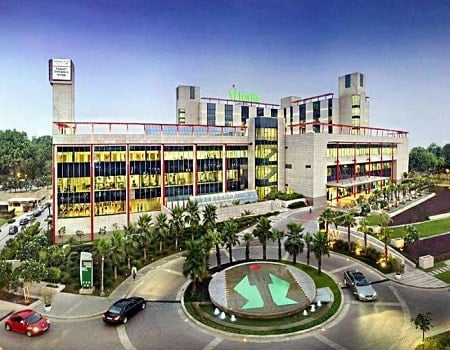
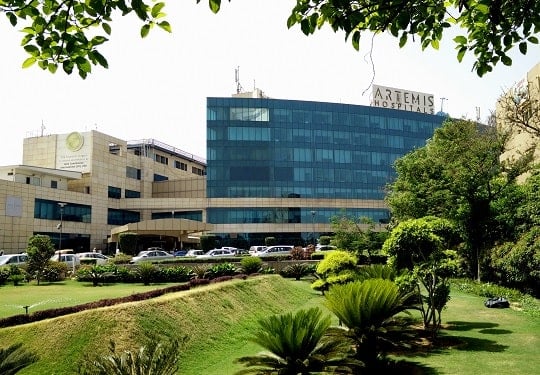
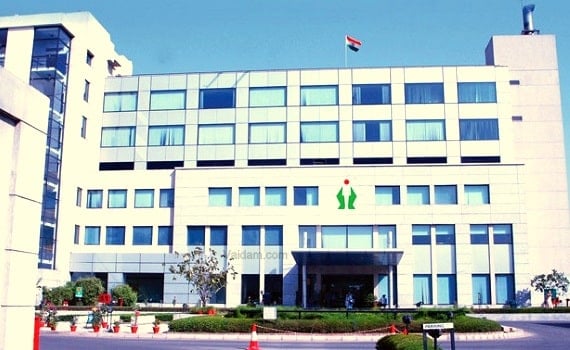
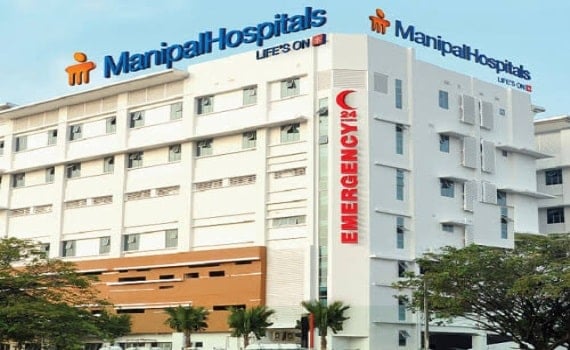
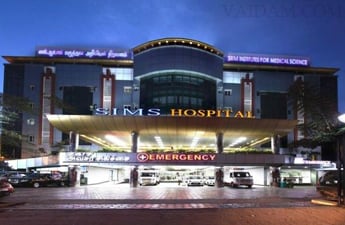
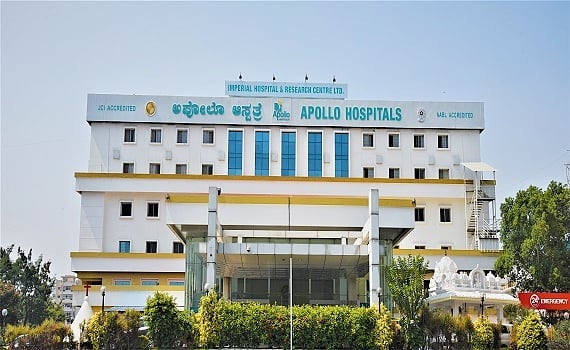
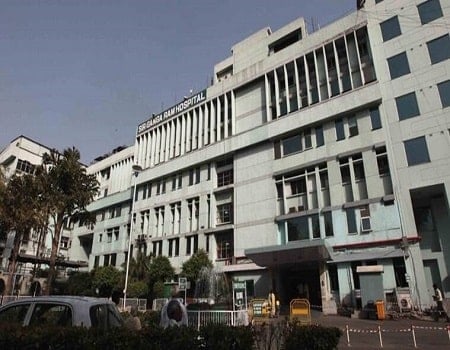
Recommended Hospitals for Oral Cavity and Oropharyngeal Cancer Treatment
Frequently Asked Questions Related to Oral Cavity and Oropharyngeal Cancer Treatment Cost in India
Early mouth cancers are often cured with surgery, sometimes with radiotherapy. The chance of cure falls when cancer has spread to neck nodes or invaded bone.
A mouth ulcer that does not heal in three weeks, a white or red patch, a lump, unexplained bleeding, loose teeth, difficulty opening the mouth, or a lump in the neck.
Yes. HPV-related oropharyngeal cancers generally respond better to treatment and are less likely to recur than HPV-negative cancers, particularly in people who have not smoked heavily.
Tissue with its own blood vessels moved from another part of the body (forearm, thigh or leg bone) to rebuild the mouth or jaw after tumour removal. The vessels are reconnected under a microscope.
Many people return to near-normal eating and speech, especially after small resections. Larger surgery or radiotherapy can permanently change swallowing or speech, and therapy helps maximise function.
Radiation reduces blood supply to the jaw bone. Infected teeth removed after treatment can lead to bone death (osteoradionecrosis), so dental problems are treated first.
Oral Cavity and Oropharyngeal Cancer treatment in India typically ranges from $3,000 to $15,000 USD, depending on the hospital, city, and type of procedure.
Free-flap reconstruction and post-operative radiotherapy are the main reasons quotes reach the upper end.
Surgical removal of lymph nodes in the neck to remove or check for spread. It is often done at the same operation as the tumour removal.
A temporary tracheostomy is sometimes needed after major mouth or jaw surgery to protect breathing while swelling settles. It is usually removed within one to two weeks.
Yes. Continuing tobacco or areca nut use raises the risk of recurrence and of a new cancer in the mouth or throat, and can reduce the effectiveness of radiotherapy.
 Chat