

What Is the Cost of Nucleoplasty in India?
The cost of nucleoplasty in India typically ranges from $500 to $6,000 USD, depending on the hospital, city, and type of procedure.
Nucleoplasty, also called percutaneous coblation or plasma disc decompression, is a minimally invasive procedure for back pain and sciatica caused by a contained disc bulge. A needle and radiofrequency probe remove a small amount of tissue from the centre of the disc. The cost depends on:
- Number of discs treated
- Probe and device kit
- Imaging guidance: X-ray (fluoroscopy) during the procedure.
- Day-case facility fees
How the Procedure Is Done
A needle is placed into the disc under X-ray guidance, and a radiofrequency (coblation) probe is passed through it to remove a small amount of tissue from the centre of the disc. This aims to reduce pressure within the disc.
It is usually an outpatient procedure under sedation and local anaesthesia. It is intended for people with contained disc herniations whose pain has not responded to conservative treatment, and who are not yet considered candidates for open surgery.
Our Services for Nucleoplasty in India
Transparent, professional support—without the hassles.
Book Doctor Appointment
Choose a specialist and schedule a convenient consultation.
Video or In-person Consultation
Consult remotely or meet your doctor directly at the hospital.
Compare Cost Estimates
Review transparent estimates from suitable hospitals.
Hospitalisation Support
Get coordinated assistance throughout your hospital stay.
 WhatsApp Us
What the Evidence Shows
NICE interventional procedures guidance IPG543 (which replaced IPG173) states that the evidence raises no major safety concerns and that the evidence on efficacy is adequate, so the procedure can be used with normal arrangements for clinical governance, consent and audit. The evidence considered included:
- A systematic review: 27 studies with 3,211 patients; average pain scores fell from about 7.3 out of 10 to about 2.8 at 3 months, and stayed lower at 12 to 24 months.
- Disability scores: the Oswestry Disability Index improved from about 59 to about 18.
- A randomised trial of 118 patients: coblation gave better results than epidural steroid injection.
Nucleoplasty: Risks
NICE found no major safety concerns. In the randomised trial it considered, increased radicular (leg) pain was reported in 2% of patients after coblation, compared with 13% after epidural steroid injection.
As with any spinal needle procedure, possible risks include disc infection (discitis), bleeding, nerve irritation, numbness and temporary increase in pain. Ask your specialist how these apply to you.
Top Doctors in India
Recommended Doctors for Nucleoplasty















Top Hospitals in India
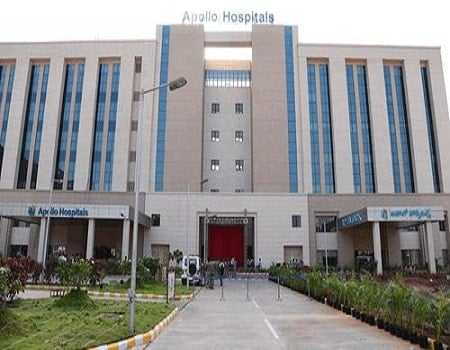
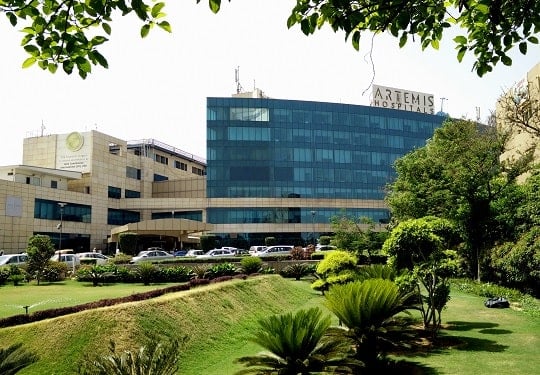
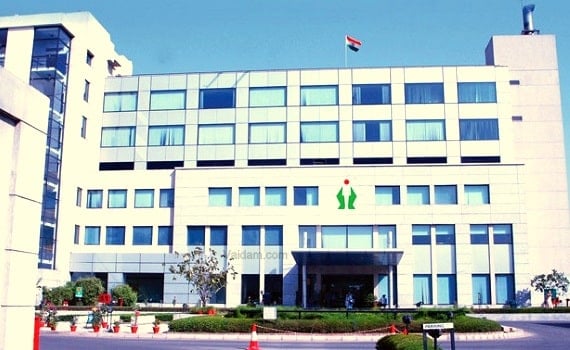
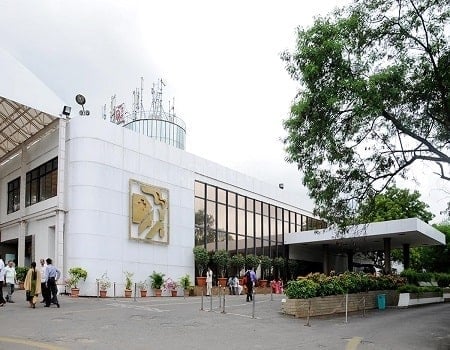
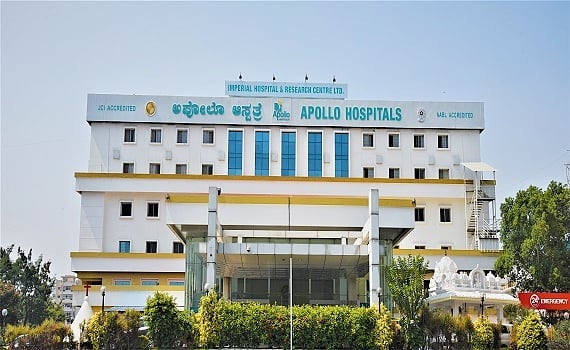
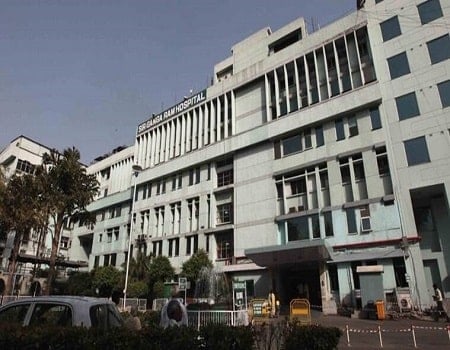
Recommended Hospitals for Nucleoplasty









Frequently Asked Questions Related to Nucleoplasty Cost in India
It is a minimally invasive procedure that uses a radiofrequency probe to remove a small amount of tissue from the centre of a bulging disc. It aims to relieve pain from contained disc herniations.
It is done through a needle rather than an incision, usually as an outpatient under sedation and local anaesthesia.
The NICE overview describes people with contained disc herniations who have not improved with conservative treatment and are not yet candidates for open surgery.
NICE guidance IPG543 found no major safety concerns. Possible risks include disc infection, numbness and increased leg pain.
NICE considered a systematic review of 27 studies in which average pain scores fell from about 7.3 to 2.8 out of 10 at 3 months. NICE judged the efficacy evidence adequate.
In a randomised trial of 118 patients considered by NICE, coblation gave better results than epidural steroid injection.
The cost of nucleoplasty in India typically ranges from $500 to $6,000 USD, depending on the hospital, city, and type of procedure.
It can be used at lumbar levels when the disc bulge is contained. Your specialist will check your MRI to see if it suits you.
It is a short needle procedure, usually done as a day case. You typically go home the same day.
NICE guidance IPG543 states that the procedure can be used with normal arrangements for clinical governance, consent and audit.
 Chat