

What Is the Cost of Non-Neurogenic Voiding Dysfunction Treatment in the UAE?
The cost of Non-Neurogenic Voiding Dysfunction treatment in the UAE typically ranges from $2,000 to $18,000 USD, depending on the hospital, city, and type of procedure.
Non-neurogenic voiding dysfunction describes bladder emptying problems in children without a nerve or spinal cause, often linked to how the pelvic floor muscles work during urination. In the UAE, costs depend on:
- Assessment: bladder and bowel diaries, urine tests and flow studies.
- Urotherapy: timed voiding, posture and fluid advice.
- Pelvic floor retraining: with or without biofeedback.
- Medicines or injections: for children who do not improve.
Voiding Dysfunction: Symptoms and Assessment
A published review (IntechOpen) describes dysfunctional voiding as tightening of the sphincter or pelvic floor muscles during urination, giving an interrupted flow. Symptoms include hesitancy, a weak stream, straining and holding on, and constipation occurs in more than half of children.
Recurrent urine infections are common, and about half of children may also have urine flowing back to the kidneys (reflux). Assessment uses bladder and bowel diaries, urine tests, a flow test with muscle recording and an ultrasound to measure urine left in the bladder.
Our Services for Non-Neurogenic Voiding Dysfunction Treatment in United Arab Emirates
Transparent, professional support—without the hassles.
Book Doctor Appointment
Choose a specialist and schedule a convenient consultation.
Video or In-person Consultation
Consult remotely or meet your doctor directly at the hospital.
Compare Cost Estimates
Review transparent estimates from suitable hospitals.
Hospitalisation Support
Get coordinated assistance throughout your hospital stay.
 WhatsApp Us
Voiding Dysfunction: Urotherapy and Further Treatment
Standard urotherapy is the first treatment and includes education, voiding every 2 to 3 hours, drinking enough, correct toilet posture with a footrest and treating constipation. The review notes that treating constipation alone improved urinary symptoms in many children.
Pelvic floor relaxation exercises, biofeedback and diaphragmatic breathing are added for many children. Medicines such as alpha blockers are used only alongside these measures, and botulinum toxin injections are considered for children who do not respond.
Insurance Cover for Voiding Dysfunction Care
Children's care is planned by specialist paediatric teams, and cover depends on the child's insurance plan and its limits.
Most care is outpatient, so check the plan's limits for repeat visits, urodynamic tests and therapy sessions.
Top Hospitals in United Arab Emirates
Recommended Hospitals for Non-Neurogenic Voiding Dysfunction Treatment






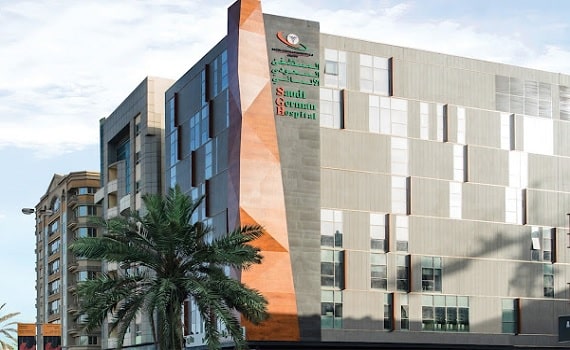
Frequently Asked Questions Related to Non-Neurogenic Voiding Dysfunction Treatment Cost in United Arab Emirates
It is a problem with bladder emptying in children that is not caused by nerve or spinal disease, often due to pelvic floor muscles tightening during urination.
Hesitancy, a weak or interrupted stream, straining, daytime wetting and repeated urine infections are common, often with constipation.
Constipation affects more than half of these children, and the review notes that treating it alone improved urinary symptoms in many.
Urotherapy is a structured programme of education, timed toilet visits every 2 to 3 hours, good fluid intake and correct toilet posture.
Biofeedback uses flow or muscle recordings, sometimes as games, to help children learn to relax the pelvic floor while passing urine.
Bladder and bowel diaries, urine tests, a urine flow test with muscle recording and an ultrasound of urine left in the bladder are common tests.
The cost of Non-Neurogenic Voiding Dysfunction treatment in the UAE typically ranges from $2,000 to $18,000 USD, depending on the hospital, city, and type of procedure.
Medicines such as alpha blockers are used only as an addition to urotherapy, according to the review, not as the main treatment.
They are considered for children who do not respond to standard urotherapy, although evidence comes from small studies.
Cover depends on the child's plan. Outpatient tests and therapy are usually covered within limits, and procedures need prior approval.
 Chat