

What Is the Cost of Narcolepsy Treatment in India?
Narcolepsy treatment in India typically ranges from $500 to $6,000 USD, depending on the hospital, city, and type of procedure.
Narcolepsy is lifelong, so the main costs are diagnosis once and medicines every month:
- Diagnosis: overnight polysomnography followed the next day by a Multiple Sleep Latency Test (MSLT) in a sleep laboratory; sometimes a spinal fluid hypocretin test.
- Medicines: wake-promoting drugs such as modafinil or armodafinil are widely available in India; some newer drugs may not be marketed in India and may need to be imported, at much higher cost.
- Follow-up: regular neurologist or sleep specialist visits to adjust treatment.
Before planning treatment, confirm which narcolepsy medicines are actually available to you in India and in your home country.
Type 1 and Type 2 Narcolepsy
NINDS describes two types:
- Type 1: very low hypocretin (orexin) in spinal fluid or cataplexy (sudden muscle weakness triggered by laughter or strong emotions), with excessive daytime sleepiness.
- Type 2: excessive daytime sleepiness without cataplexy and with normal hypocretin; symptoms are often milder.
- Other symptoms: sleep paralysis, vivid dream-like experiences when falling asleep or waking, and disrupted night sleep.
Other causes of sleepiness, especially sleep apnoea, insufficient sleep and some medicines, must be ruled out first.
Our Services for Narcolepsy Treatment in India
Transparent, professional support—without the hassles.
Book Doctor Appointment
Choose a specialist and schedule a convenient consultation.
Video or In-person Consultation
Consult remotely or meet your doctor directly at the hospital.
Compare Cost Estimates
Review transparent estimates from suitable hospitals.
Hospitalisation Support
Get coordinated assistance throughout your hospital stay.
 WhatsApp Us
Treatment Options
There is no cure, but symptoms can usually be controlled. NINDS lists:
- Wake-promoting agents: modafinil, armodafinil and solriamfetol for daytime sleepiness.
- Stimulants: such as methylphenidate if modafinil is not enough, with monitoring.
- Antidepressants: certain tricyclics and SNRIs help control cataplexy.
- Sodium oxybate and pitolisant: treat both sleepiness and cataplexy; oxybate distribution is tightly restricted.
- Newest: in 2026 the US FDA approved oveporexton, the first medicine targeting the underlying orexin deficiency in type 1 narcolepsy; availability outside the US is uncertain.
Living With Narcolepsy
Medicines work best combined with planned habits.
- Scheduled naps: short naps at the times of day you feel sleepiest.
- Regular sleep times: and avoiding heavy meals and alcohol before important activities.
- Driving and work safety: discuss driving with your doctor; local rules may require reporting.
- Visit length: a sleep study needs two consecutive days; plan about one week for diagnosis and starting treatment.
Indian hospitals commonly advertise savings of 60% to 80% compared with the United States, UK, or private Middle Eastern centers. Treat that as a general comparison rather than a verified figure for this treatment, and compare itemised written quotes.
Top Doctors in India
Recommended Doctors for Narcolepsy Treatment







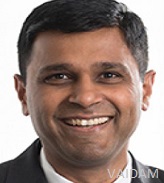
Dr. P R Krishnan
Senior Consultant
NeurologistFortis Hospital, Bangalore (Bannerghatta Road)



Top Hospitals in India
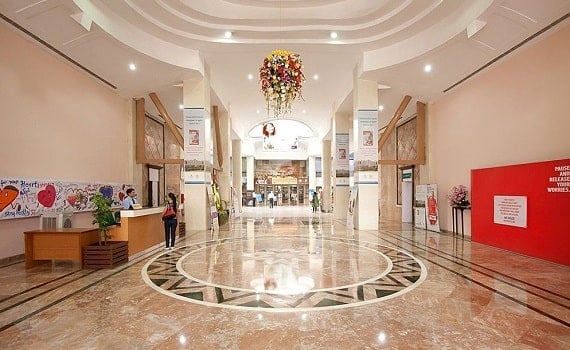
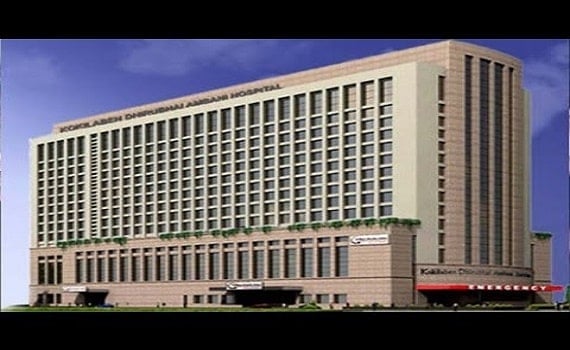
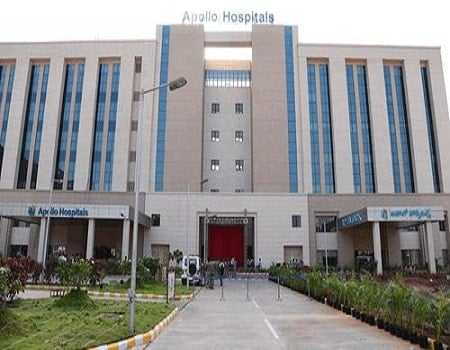
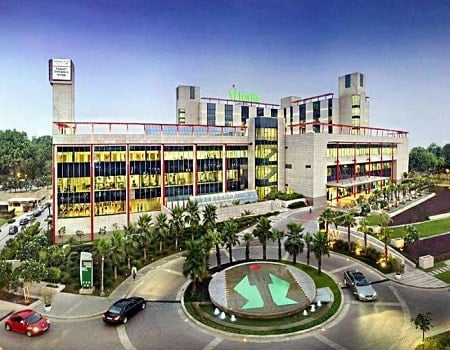
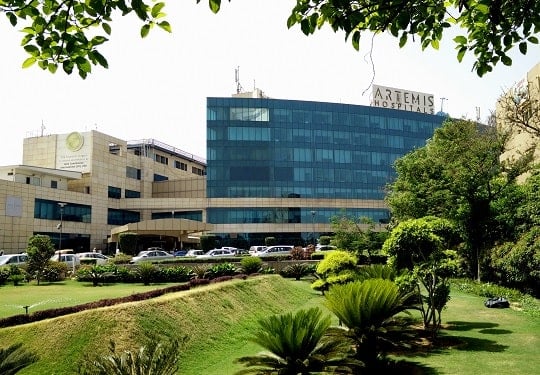
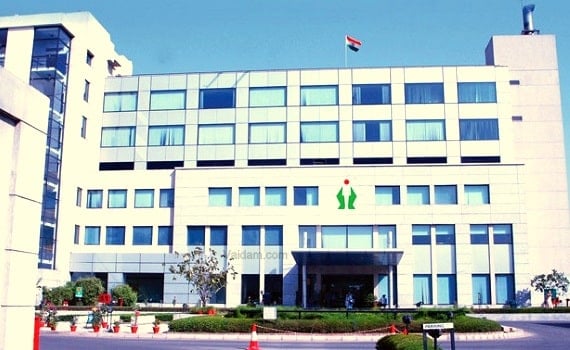
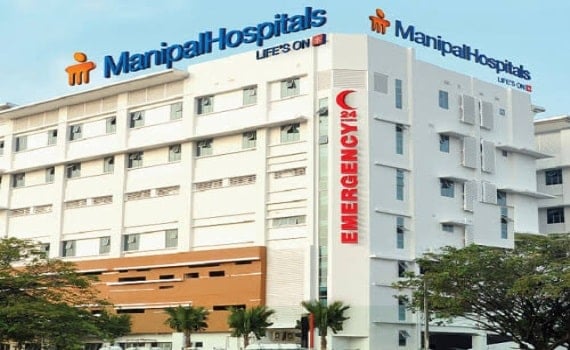
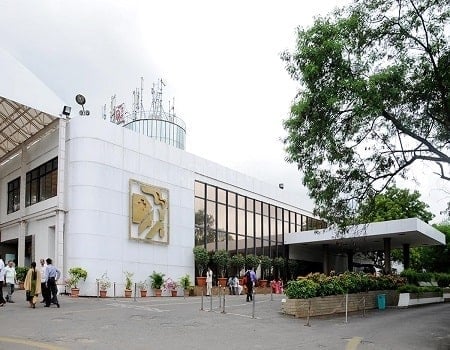
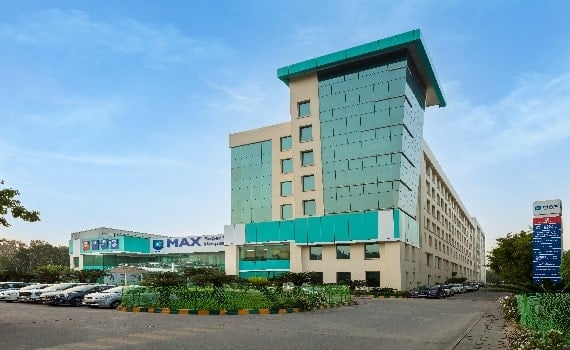
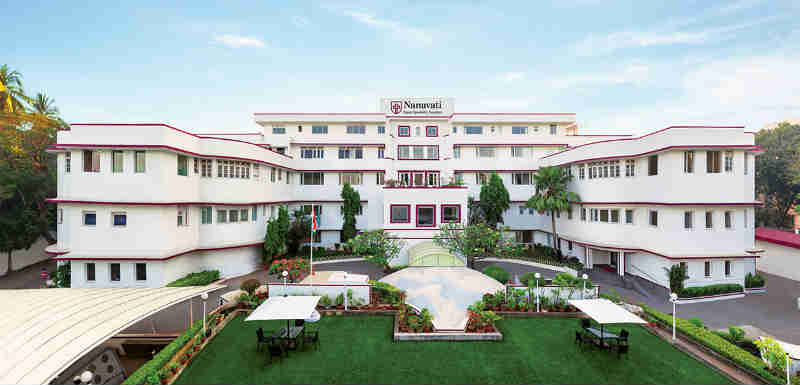
Recommended Hospitals for Narcolepsy Treatment
Frequently Asked Questions Related to Narcolepsy Treatment Cost in India
Yes. Daytime sleepiness in type 2 is treated with wake-promoting medicines such as modafinil or armodafinil, along with scheduled naps and regular sleep.
In 2026 the US FDA approved oveporexton for type 1 narcolepsy, which acts on the orexin system. Pitolisant and solriamfetol are other relatively recent options. Availability in India should be confirmed.
Modafinil and armodafinil are widely available. Others, such as sodium oxybate, pitolisant and solriamfetol, may not be marketed in India and may need special import. Check with your neurologist.
With an overnight sleep study followed by a daytime Multiple Sleep Latency Test, which measures how quickly you fall asleep and enter REM sleep. A spinal fluid hypocretin test is sometimes used.
Sudden, brief loss of muscle strength triggered by emotions such as laughter or surprise, while the person remains conscious.
Not currently, but medicines and lifestyle measures can control symptoms for most people.
Narcolepsy treatment in India typically ranges from $500 to $6,000 USD, depending on the hospital, city, and type of procedure.
Diagnosis is a one-time cost; medicines are an ongoing monthly cost.
Many can once symptoms are well controlled, but rules vary by country. Discuss with your doctor.
Symptoms usually stabilise after the first years, and some people find they improve. Treatment may need adjusting over time.
They are not standard treatments for narcolepsy. IVIG has been tried in research soon after onset, but evidence is limited.
 Chat