

What Is the Cost of Narcolepsy Treatment in Germany?
The cost of Narcolepsy treatment in Germany typically ranges from $2,500 to $22,000 USD, depending on the hospital, city, and type of procedure.
Narcolepsy is an uncommon neurological condition that lasts for life. Its main feature is overwhelming sleepiness during the day, and some people also have attacks of sudden muscle weakness. In Germany, the total depends on:
- Sleep studies: overnight polysomnography and daytime testing.
- Medicines: to improve wakefulness or prevent cataplexy.
- Specialist follow-up: regular sleep clinic reviews.
- Talking therapy: to help with daily life.
Assessment and medicine reviews usually cost much less than the upper end of this range.
Narcolepsy Symptoms and Diagnosis
The NHS lists daytime sleepiness, falling asleep suddenly, cataplexy (sudden muscle weakness often triggered by laughter or strong emotion), sleep paralysis and vivid dreams as symptoms. They usually start in children and young adults.
A sleep specialist may use overnight polysomnography, a multiple sleep latency test, a lumbar puncture and a sleep diary. Narcolepsy is classed as type 1 or type 2.
Our Services for Narcolepsy Treatment in Germany
Transparent, professional support—without the hassles.
Book Doctor Appointment
Choose a specialist and schedule a convenient consultation.
Video or In-person Consultation
Consult remotely or meet your doctor directly at the hospital.
Compare Cost Estimates
Review transparent estimates from suitable hospitals.
Hospitalisation Support
Get coordinated assistance throughout your hospital stay.
 WhatsApp Us
Day-to-Day Management of Narcolepsy
There is no cure, but sleep management and medicines help. This includes a regular bedtime routine, planned daytime naps and enough sleep at night, plus medicines to help stay awake or prevent sudden muscle weakness.
The NHS also advises avoiding alcohol, exercising regularly but not late in the evening, and avoiding dangerous activities. Driving rules depend on symptoms and treatment.
Narcolepsy Assessment in Germany
A sleep laboratory assessment for narcolepsy usually needs an overnight study followed by daytime tests, so it can often be completed in a short stay. International patients are usually treated in Germany as self-paying patients: the hospital reviews the medical reports, sends a cost estimate and asks for an advance payment before admission, then settles the final bill after discharge.
Interpreter services are usually an optional extra, so ask whether they are included in the quote.
Top Hospitals in Germany
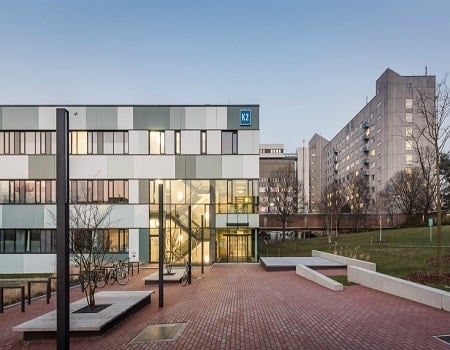
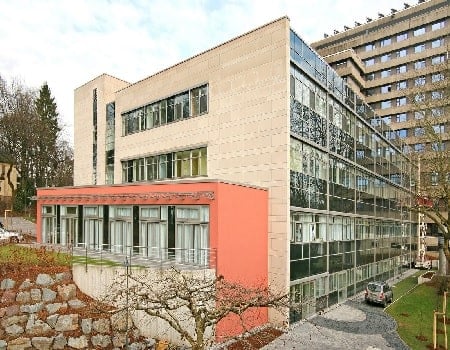
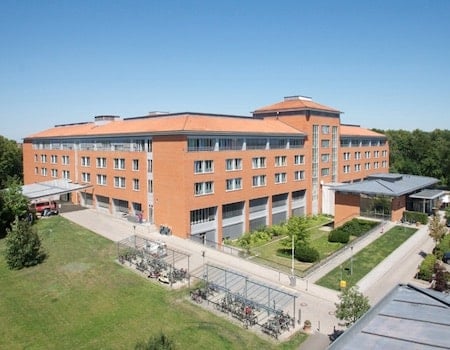
Recommended Hospitals for Narcolepsy Treatment












Frequently Asked Questions Related to Narcolepsy Treatment Cost in Germany
In narcolepsy the brain cannot keep sleep and wakefulness properly separated, so sleep intrudes into the day. People can feel very drowsy or fall asleep at unexpected times.
Cataplexy is a brief loss of muscle control, usually set off by laughing, surprise or another strong feeling. It may cause the jaw to drop, the knees to buckle or a full fall.
Diagnosis usually involves an overnight sleep recording followed the next day by a series of nap tests. A spinal fluid test is sometimes added to help confirm type 1 narcolepsy.
Narcolepsy cannot currently be cured, according to the NHS. A combination of medicines, planned naps and good sleep habits keeps symptoms under control for many people.
Brief naps taken at set times can refresh people with narcolepsy for a few hours. Building them into the day helps with concentration at work or school.
Some medicines improve alertness during the day and others reduce attacks of cataplexy. A sleep specialist chooses and adjusts them for each person.
The cost of Narcolepsy treatment in Germany typically ranges from $2,500 to $22,000 USD, depending on the hospital, city, and type of procedure.
It depends on symptoms and treatment. The NHS advises telling the licensing authority, and rules vary by country.
Symptoms usually start in children and young adults, according to the NHS. Having a close relative with narcolepsy raises the risk.
It usually involves an overnight study followed by daytime nap tests the next day. The sleep laboratory can confirm the timing and what the estimate covers.
 Chat