

What Is the Cost of Myopia Treatment in Germany?
The cost of Myopia treatment in Germany typically ranges from $2,500 to $22,000 USD, depending on the hospital, city, and type of procedure.
Myopia (short-sightedness) means distant objects look blurred while near objects are clear. It is very common and usually corrected with glasses or contact lenses. In Germany, the total depends on:
- Eye tests: to measure the prescription.
- Glasses or contact lenses: the usual correction.
- Laser eye surgery: to reshape the front of the eye.
- Lens surgery: replacing the eye's lens with an artificial one.
Glasses and contact lenses cost far less than this range, which mainly reflects surgery.
Myopia: Who Gets It and Why It Matters
The NHS says short-sightedness usually starts between the ages of 6 and 13, runs in families and can get worse until about 20. Spending time outdoors may help lower the risk in children.
Eye tests are advised at least every two years. Uncorrected short-sightedness in young children can lead to a squint or lazy eye, and severe myopia raises the risk of glaucoma, cataracts, macular degeneration and retinal detachment.
Our Services for Myopia Treatment in Germany
Transparent, professional support—without the hassles.
Book Doctor Appointment
Choose a specialist and schedule a convenient consultation.
Video or In-person Consultation
Consult remotely or meet your doctor directly at the hospital.
Compare Cost Estimates
Review transparent estimates from suitable hospitals.
Hospitalisation Support
Get coordinated assistance throughout your hospital stay.
 WhatsApp Us
Correcting Short-Sightedness
Glasses or contact lenses are the usual treatment. Special glasses or lenses designed to slow myopia, and orthokeratology lenses worn overnight, are options for some children.
Laser surgery reshapes the front of the eye, and lens surgery replaces the eye's lens with an artificial one. The NHS notes that these are not usually available on the NHS, as glasses and lenses work well for most people.
Laser and Lens Surgery in Germany
Refractive surgery is usually a day procedure, but a pre-operative assessment is needed to check suitability. International patients should allow for this and for a follow-up check before flying home. International patients are usually treated in Germany as self-paying patients: the hospital reviews the medical reports, sends a cost estimate and asks for an advance payment before admission, then settles the final bill after discharge.
Treatment by a chosen senior or chief physician is an elective service billed separately under the German physicians' fee schedule (GOÄ).
Top Doctors in Germany
Recommended Doctors for Myopia Treatment
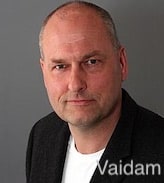

Prof. Dr. Med. Manfred Tetz
Senior Consultant
OphthalmologistMeoclinic Hospital, Berlin




Top Hospitals in Germany
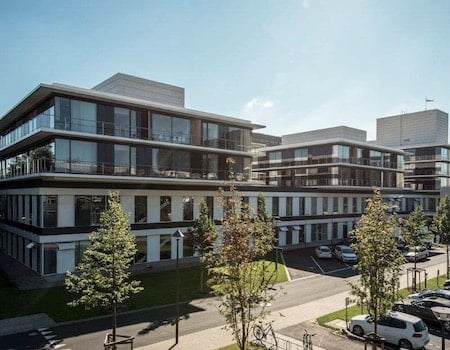
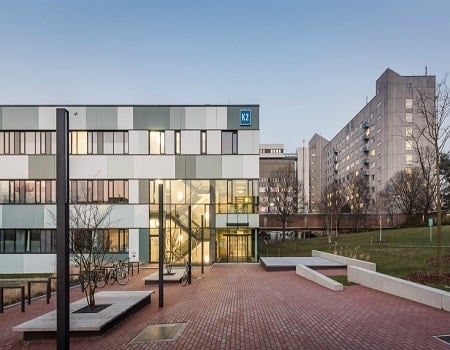
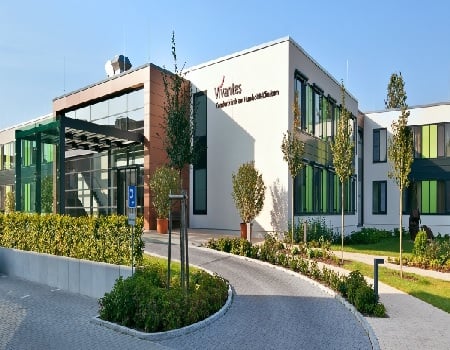
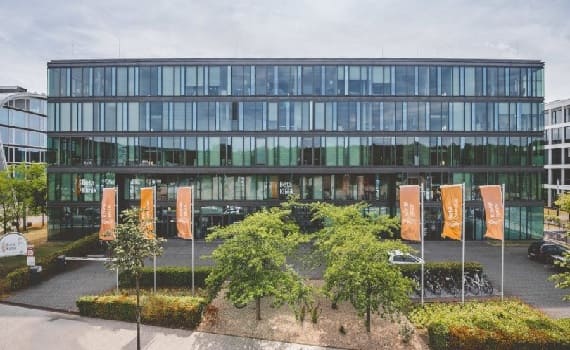
Recommended Hospitals for Myopia Treatment






Frequently Asked Questions Related to Myopia Treatment Cost in Germany
Myopia, or short-sightedness, makes distant objects look blurred while near objects stay clear. It happens when the eye focuses light in front of the retina.
The NHS says it usually starts between the ages of 6 and 13. It can get worse until about the age of 20.
The NHS notes that spending time outdoors may help lower the risk of short-sightedness in children. It is one of several factors.
Glasses or contact lenses are the usual treatment and work well for most people. They correct vision but do not cure myopia.
Special glasses, contact lenses and overnight orthokeratology lenses can help slow the progression of myopia in some children. An optometrist advises on suitability.
Laser surgery reshapes the cornea, the clear front of the eye, so light focuses correctly. It is not suitable for everyone.
The cost of Myopia treatment in Germany typically ranges from $2,500 to $22,000 USD, depending on the hospital, city, and type of procedure.
Lens surgery replaces the eye's natural lens with an artificial lens. It may suit people who cannot have laser surgery.
Yes, severe myopia raises the risk of glaucoma, cataracts, macular degeneration and retinal detachment. Regular eye tests help detect problems early.
Laser surgery is usually a day procedure, but a check-up is needed afterwards. Ask the clinic when it is safe to fly home.
 Chat