

Cost of Myomectomy in Cairo
Myomectomy is a surgical procedure to take out uterine fibroids and reconstruct the uterus.
Depending on the size, number, and location of fibroids, the surgeon may choose one of three surgical approaches:
- Laparoscopic or Robotic Myomectomy are both minimally invasive procedures; the surgeon removes fibroids through many small abdominal incisions.
- To treat smaller fibroids (submucosal fibroids), the surgeon performs a Hysteroscopic Myomectomy. He accesses and removes the fibroids using instruments inserted through the vagina and cervix into the uterus.
- In an Abdominal Myomectomy, the surgeon makes an open abdominal incision to access the uterus and remove fibroids.
Our Services for Myomectomy in Cairo
Transparent, professional support—without the hassles.
Book Doctor Appointment
Choose a specialist and schedule a convenient consultation.
Video or In-person Consultation
Consult remotely or meet your doctor directly at the hospital.
Compare Cost Estimates
Review transparent estimates from suitable hospitals.
Hospitalisation Support
Get coordinated assistance throughout your hospital stay.
 WhatsApp Us
Top Doctors in Cairo
Recommended Doctors for Myomectomy


Dr. Mohamed Aboulghar
Consultant
Obstetrician and GynaecologistEgyptian IVF-ET Center, Egypt











Top Hospitals in Cairo
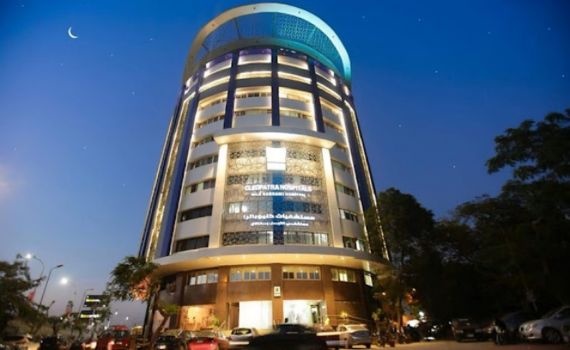
Recommended Hospitals for Myomectomy

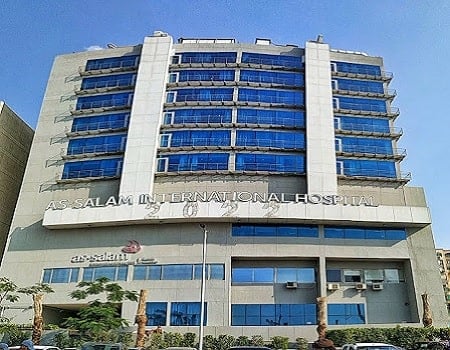
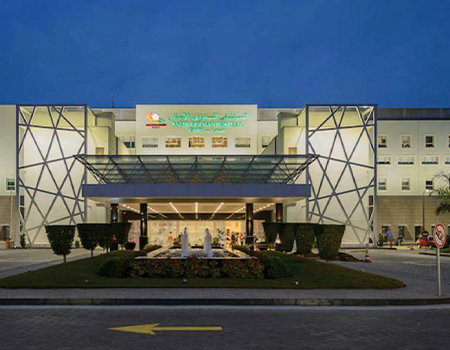
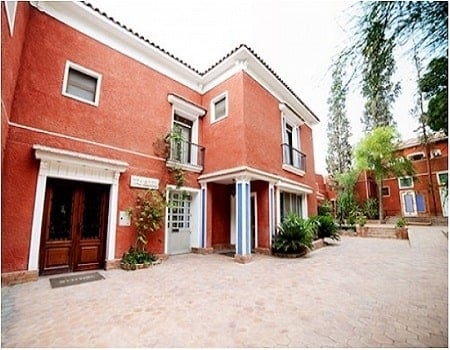
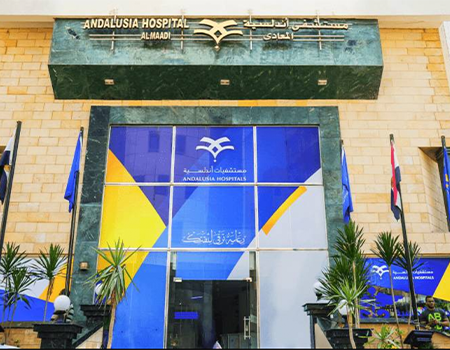
Inclusions in the package
The cost of Myomectomy includes:
-
Preoperative diagnostic tests cost [ultrasound, complete blood count (CBC), and MRI]
-
Surgery cost
-
Types of surgery (Abdominal myomectomy, Laparoscopic myomectomy, Robotic myomectomy, or Hysteroscopic myomectomy)
-
Post-Operative cost (depends on the number of follow-up sessions)
-
Medicine cost (anti-inflammatory, painkillers, etc.)
-
Patient's hospital stay
Factors affecting cost of Myomectomy
The overall cost of the procedure also varies based on the patient's condition and preferences. Some of these factors are:
-
Type of hospital and room opted (General, Twin sharing, or single room)
-
The severity of the disease
-
Post-surgical complication, if it happens [such as Haemorrhage, Injury to the uterus, Formation of scar tissue (adhesions) within the uterus]
-
Cost of Blood products (if required)
-
Age of the patient
-
An extended stay at the Hospital
-
Cost of Accommodation during follow-ups, in case the patient is not a local resident
Frequently Asked Questions Related to Myomectomy Cost
If you have uterine fibroid symptoms, your doctor will do some tests, such as an ultrasound, complete blood count (CBC), and MRI. All these test costs are covered in the package.
The medicines cost are included in the package when the patient is at the hospital. Once the patient leaves, the medicines bought from outside the hospital charge extra.
Different types of myomectomy procedures involve different hospital stay duration. In an abdominal myomectomy, you must stay in the hospital for 1 or 2 days. While in laparoscopic and robotic myomectomy, you can stay overnight in the hospital. Hysteroscopic myomectomy is usually done with no overnight hospital stay. You should have a post-operative appointment scheduled with your doctor 4-6 weeks after the surgery. You can consult your doctor 6 months after the myomectomy to plan your pregnancy.
Your doctor will prescribe oral pain medications after the surgery. You can also expect some vaginal spotting for a few days up to six weeks depending on the type of procedure you had. You can resume your daily routine after six weeks. Any fibroids not detected during the surgery can grow and cause symptoms. New fibroids can also develop in those women who have multiple fibroids. If you have new or recurring fibroids, you have to go for non-surgical treatments, which have additional charges.
Many insurance companies cover the cost of a myomectomy. You can submit your test reports to the insurance providers for approval. It is vital to keep in mind that every insurance company has a different amount of coverage for the treatment. Therefore, it might be possible that the treatment cost is partly covered, and you have to pay the rest of the expenses on your own.
You can go for Lap-RFA, a less invasive alternative to myomectomy. You can return to your regular activities 5-7 days after the procedure.
Everything You Need to Know About Myomectomy: Q&A
Before the Procedure · 24 Questions
An abdominal open myomectomy is a major surgical procedure. It involves making an incision through the skin on the lower abdomen known as a "bikini cut," and removing the fibroids from the wall of the uterus.
However, if the fibroids are smaller then the same procedure can be done laparoscopically, which then makes it a lower risk surgery.
It depends on obesity, number, and size of fibroids and previous surgical history of the individual.
That’s right, the purpose of Myomectomy surgery is to remove the fibroids that are inhibiting the process of conception.
That’s right, heavy bleeding and pain because of fibroids will subside and go away.
Hospital stay is for 2 days.
Abdominal open myomectomy is a major surgical procedure. It involves making an incision through the skin on the lower abdomen known as a "bikini cut," and removing the fibroids from the wall of the uterus. However, if the fibroids are smaller then the same procedure can be done laparascopically, which then makes it a lower risk surgery.
Depends on Obesity, Number and size of fibroids and previous surgical history of the individual.
That’s right, the purpose of Myomectomy surgery is to remove the fibroids that are inhibiting the process of conception.
That’s right, heavy bleeding and pain because of fibroids will subside and go away.
Myomectomy is the surgery which removes the fibroids from the uterus. This is the best option for women who have fibroids and want to have children in their future.
Some symptoms which indicate the presence of fibroid are:
- pelvic pain
- irregular bleeding
- frequent urination
- heavy periods
This is a good option for women who have fibroids present in their uterus ans they want to get pregnant in future. Myomectomy removes the fibroids from the uterus without damaging the uterus.
You will be prescribed with some medicines before the surgery to reduce the size of your fibroids and makes their removal easier. Gonadotropin releasing hormone will be given to you to put you in a temporary state of menopause. You have to stop taking alcohol and smoking. The ,midnight before the surgery you have to stop eating or drinking anything.
Your doctor will prescribe you some blood test, MRI scan and pelvic ultrasound before you go for myomectomy.
Many women get relief from the symptoms of pelvic pain and heavy menstrual bleeding. In some cases fibroids can come back especially in women of younger age.
Myomectomy is not a minor surgery procedure but abdominal myomectomy is a major surgery. In this procedure an incision is made on the lower part of abdomen and fibroids are removed from the wall of the uterus, after that uterus muscle is being stitched.
After surgery you may feel some pain in your belly region for few days after the procedure. Your belly may be swollen and you may have some changes in your bowel movements. You may experience some cramping in the first week of surgery.
Yes, myomectomy is a serious surgery in this procedure fibroids are being removed from the uterus it requires anaesthesia and also removing or altering the part of uterus.
Most women get relief from symptoms like pelvic pain and heavy menstrual bleeding after surgery. In some cases fibroids can come back after myomectomy.
Myomectomy is the surgical procedure for removing the benign growth of benign muscle which is also known as fibroids.
In myomectomy fibroids are being removed by keeping the uterus intact, this is an alternative to hysterectomy in which removal of uterus is needed.
There are different ways of performing myomectomy depending in the size, number and location of the fibroids. There are different surgical and non surgical procedure involved in myomectomy.
Many women do not experience any symptoms of fibroids, no symptoms are seen. Doctor advise you to undergo myomectomy if ultrasound shows presence of fibroids in uterus and the symptoms interfere in day to day life.
Women should go for myomectomy for restoring the uterus, if you are planning a pregnancy.
During the Procedure · 12 Questions
Hospital stay is for 2 days.
It is a 2 hour procedure.
Myomectomy is done by three procedures :
- Abdominal myomectomy
- Laproscopic myomectomy
- Hysteroscopic myomectomy
In abdominal myomectomy a horizontal 3-4 inch long incision is being made just above your pubic bone or a vertical incision is made just below your belly button to just above your pubic bone. After making the incision, the fibroids are removed from the wall of the uterus and then sutures are being placed.
In laproscopic myomectomy, you will be given general anaesthesia and four small incision of half inch will be made in your lower part of abdomen and your stomach will be filled with CO2 gas to check inside your abdomen. Then a laproscope will b e placed through the incision which has camera at one end and a small incision will be placed at other end, the fibroids are cut by the instruments and then the instrument is removed and the gas is released and the incision is closed.
In this procedure a thin lighted scope will be placed through your vagina or cervix into your uterus. Then a special liquid will be placed into your uterus for widening it, a wire loop is being used to shave out the pieces of fibroids.
In laproscopic myomectomy it may take two to four hours according to the number of fibroids which is needed to be removed. You can go home the same day after the surgery.
When you are under general anaesthesia you will be fully asleep and a tube will be placed in your throat. General anaesthesia is used in both laproscopic and abdominal myomectomy sometimes it is also used for hysteroscopic myomectomy.
Myomectomy is done by three main procedures:
- Abdominal myomectomy- This procedure is done under general anaesthesia, first an horizontal incision is being made in the lower part of abdomen just above your pubic bone. Then a vertical incision is made just below your belly button just above your pubic bone, this incision is less commonly used but it can be used if the fibroids are larger. Once the incision are made fibroids are removed from the wall of the uterus and the uterine muscles are being stitched.
- Laparoscopic myomectomy-This procedure is done under general anaesthesia four small incisions are being made about ½ inch long. Then a laparoscope which is a thin, lighted tube with camera on one end is being placed. Your surgeon cut the fibroids into small piece to remove them. If the fibroids are large then it can be removed by abdomibnla myomectomy.
- Hysteroscopic myomectomy-This procedure can be done both under local or general anaesthesia. Surgeon will insert a thin light scope through your vagina and cervix of your uterus and liquid is placed on your uterus to widen it for seeing the fibroids. A wire loop is being used for shaving the pieces of your fibroids.
The surgery is being done under general anaesthesia.
Abdominal myomectomy is done if large uterine fibroids are present. Laproscopic myomectomy is done if the fibroids are smaller in size and less in number and hysteroscopic myomectomy is done if the fibroids inside the uterus are smaller and it involves removal through the vagina.
This procedure is done under general anaesthesia, first an horizontal incision is being made in the lower part of abdomen just above your pubic bone. Then a vertical incision is made just below your belly button just above your pubic bone, this incision is less commonly used but it can be used if the fibroids are larger. Once the incision are made fibroids are removed from the wall of the uterus and the uterine muscles are being stitched.
Post the Procedure · 32 Questions
1 week for stitch removal and 6 weeks for a full recovery.
You may have a brown or reddish-brown vaginal discharge or spotting for a few weeks or until your first period. This is normal. Expect your first two periods to start early or late.
The swelling will take several weeks to go down, may take about 4 to 6 weeks to fully recover. It is important to avoid lifting while you are recovering so that you can heal.
Most patients join their work after 7 day.
6 weeks from surgery
It depends on the age of the patient. If the patient is already in menopause, then chances of recurrence are very minimal.
For females who are still getting regular cycles, the doctor can give an injection (during the procedure or after 7 days of procedure) to avoid recurrence for another 5 years.
This way, the patient can fulfill the desire of motherhood, if that’s the primary factor.
It is safe to plan for fertility after 4-6 months of the procedure.
1 week for stitch removal and 6 weeks for full recovery.
You may have a brown or reddish brown vaginal discharge or spotting for a few weeks or until your first period. This is normal. Expect your first two periods to start early or late.
The swelling will take several weeks to go down, may take about 4 to 6 weeks to fully recover. It is important to avoid lifting while you are recovering so that you can heal.
Most patients join their work after 7 day.
6 weeks from surgery
It depends on the age of the patient. If patient is already in menopause, then chances of recurrence are very minimal. For females who are still getting regular cycles, doctor can give an injection (during procedure or after 7 days of procedure) to avoid recurrence for another 5 years. This way, patient can fulfil the desire of motherhood, if that’s the primary factor.
It is safe to plan for fertility after 4-6 months of the procedure.
Women who has more than six fibroids in which there chances of pregnancy are less, in some cases this procedure can weaken your uterus also, there are chances that your uterus can tear as pregnancy starts.
If you have uterine fibroids which are causing the symptoms then myomectomy can be used to remove fibroids and getting relief from the symptoms. The typ of myomectomy procedure which you undergo depends on the size and location of your fibroids.
In case of abdominal myomectomy your scar will be one inch below your pubic hairline and it also fades with time. The scar from laproscopic myomectomy can be seen while wearing low cut bikni or a crop top, this scar is also very smaller and will fade with time.
Some of the common complictaions which you can notice after myomectomy are infection, excessive bleeding, scar tissue, occurence of a new fibroid.
. For abdominal myomectomy four to six weeks of recovery is needed and for laproscopic myomectomy two to four weeks of recovery is needed and for hysteroscopic myomectomy two to three days is needed for recovety.
Dont lift any heavy object or do heavy exercise till your incisions are completely healed. If you want to get pregnant after the procedure ask your doctor when to start planning.
After two weeks of surgery you can walk for ten minutes or advised by your doctor. According to the type of surgery done you can return back to work within two to six weeks after surgery.
According to a research it is seen that 90 out of 100 women who have under myomectomy are satisfied with the result and in 20 women the fibroids grew again within the first few year after the procedure.
After myomectomy women will have a normal functioning of uterus and chances of becoming pregnant in future increases.
You will have some pain after the surgery, you will be provided medications to treat your discomfort. You will have some spotting for few days to weeks after surgery. Recovery time of abdominal myomectomy is four to six weeks, in lproscopic myomectomy recovery time is two to four weeks and hysteroscopic myomectomy recovery time is two to three days.
You should not lift any heavy object or do any strenuous exercise till your incisions are completely healed. You should avoid sexual activity till six weeks after the surgery.
Every surgery has some risk and complications some of the risk of the procedure includes infection, heavy bleeding, damage to nearby organs, hole in uterus, scar tissue and new fibroid formation.
You should contact your doctor immediately if you notice some symptoms such as heavy bleeding, fever, pain and trouble in breathing.
In abdominal myomectomy scar will be made an inch below your pubic hair which fades with time. The scar will be tender or you may feel numb for few months but it subsides with time.
This procedure weakens the uterus there are chances that your uterus may tear as your pregnancy progresses or during labor. Your doctor may recommend you to go for cesarean delivery for preventing this complication.
Initially after surgery you will be given intravenous fluid for maintaining hydration. Urinary catheter will be placed for passage of urine. You will be advised to take liquid diet after surgery. There may be some vaginal discharge after surgery.
You should not lift any heavy object or do any strenuous exercise till your incisions are completely healed. You should avoid sexual activity till six weeks after the surgery.
Every surgery has some risk and complications some of the risk of the procedure includes infection, heavy bleeding, damage to nearby organs, hole in uterus, scar tissue and new fibroid formation.
 Chat
Chat