

What Is the Cost of Minimally Invasive Spine Surgery in India?
The cost of minimally invasive spine surgery in India typically ranges from $7,000 to $13,500 USD, depending on the hospital, city, and type of procedure.
Minimally invasive spine surgery (MISS) aims to achieve the same result as open spine surgery through smaller incisions, with less disruption to the back muscles. The cost depends on:
- The procedure: for example discectomy, decompression or fusion.
- Technique: tubular retractors or endoscopic surgery.
- Implants: screws and cages if a fusion is done.
- Navigation or imaging technology
MISS describes a technique rather than a single operation. Ask for a quote based on the exact procedure planned.
How MISS Works
The American Academy of Orthopaedic Surgeons (AAOS) explains that the most common technique uses a tubular retractor. A tube is guided through a small incision down to the spine, holding the muscles apart rather than cutting them, and instruments pass through its centre.
Endoscopic variants use a small camera through one or two tiny incisions. Procedures that can be done this way include:
- Decompression: such as discectomy or laminectomy, to relieve pressure on nerves.
- Fusion: such as TLIF or lateral fusions (XLIF, DLIF, OLIF).
- Endoscopic discectomy
Our Services for Minimally Invasive Spine Surgery in India
Transparent, professional support—without the hassles.
Book Doctor Appointment
Choose a specialist and schedule a convenient consultation.
Video or In-person Consultation
Consult remotely or meet your doctor directly at the hospital.
Compare Cost Estimates
Review transparent estimates from suitable hospitals.
Hospitalisation Support
Get coordinated assistance throughout your hospital stay.
 WhatsApp Us
Benefits and Limitations
The AAOS lists smaller incisions, less muscle damage, less bleeding, shorter hospital stays and typically less pain with faster recovery. Some studies suggest a lower infection rate than open surgery.
However, the AAOS notes that the techniques are more demanding for surgeons, with a longer learning curve. The criteria for surgery are the same as for open surgery: non-surgical treatment should usually be tried first, and the exact source of pain must be identified.
Minimally Invasive Spine Surgery: Risks
Risks include infection, bleeding, recurring symptoms, incomplete fusion (pseudarthrosis, more likely in smokers), and rarely nerve or blood vessel injury and blood clots. Your surgeon will explain whether a minimally invasive approach suits your condition.
Top Doctors in India
Recommended Doctors for Minimally Invasive Spine Surgery





Dr. Siddhartha Ghosh
Senior Consultant
NeurosurgeonApollo Proton Cancer Centre, Chennai


Dr. Sajan K Hegde
Senior Consultant
Spine SurgeonApollo Hospitals, Greams Road, Chennai








Top Hospitals in India
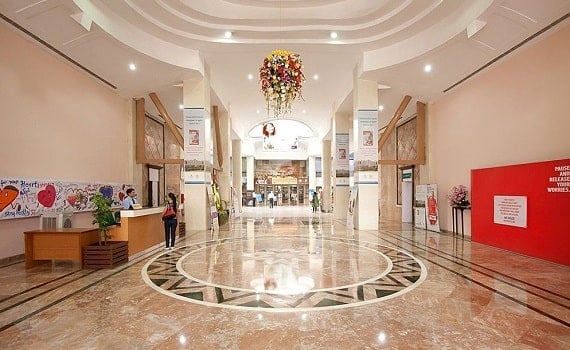
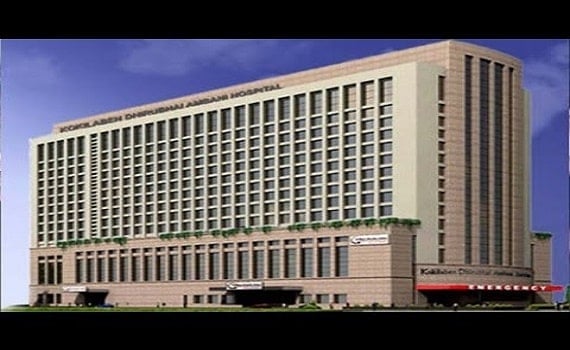
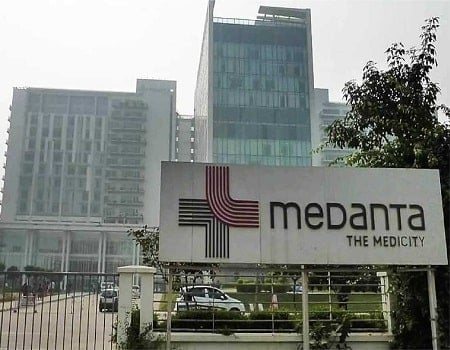
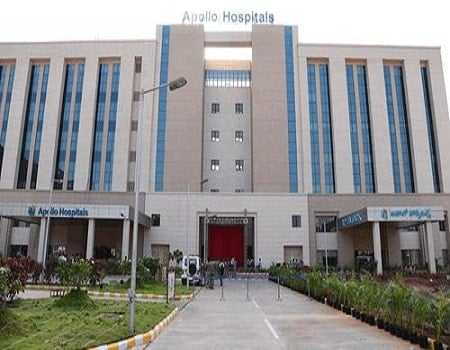
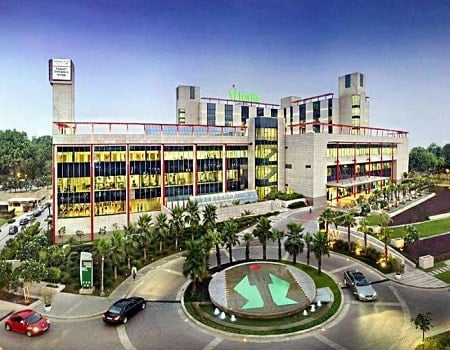
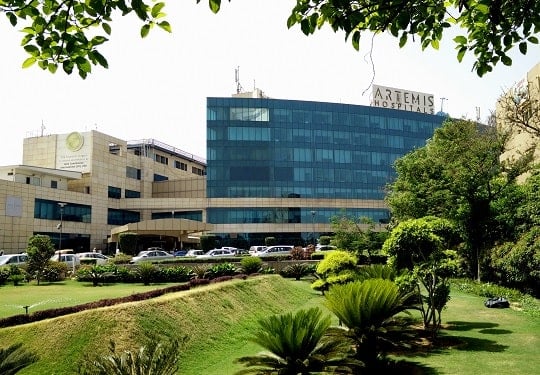
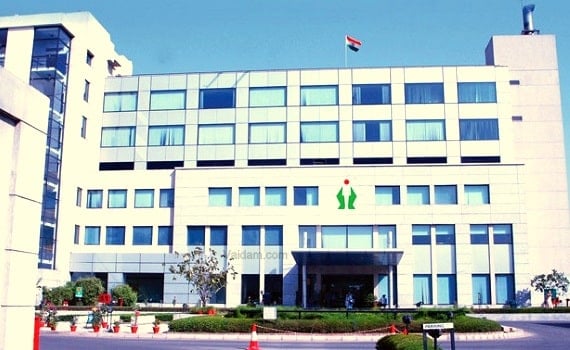
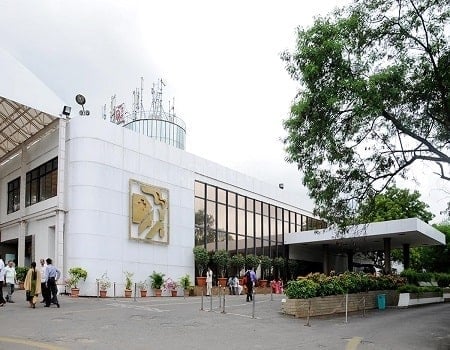
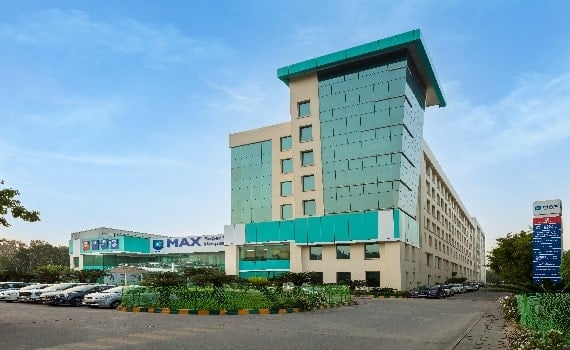
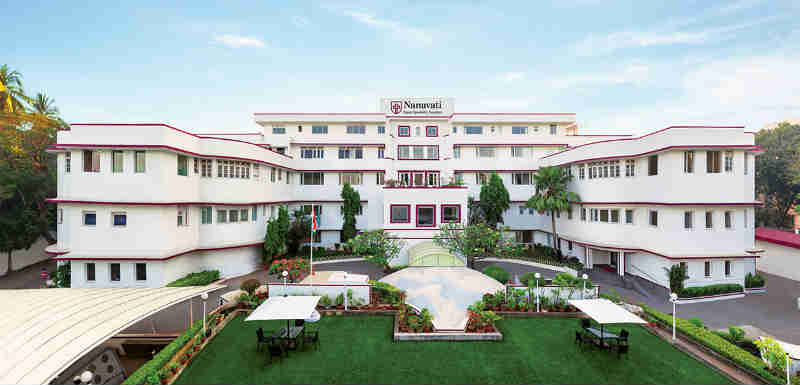
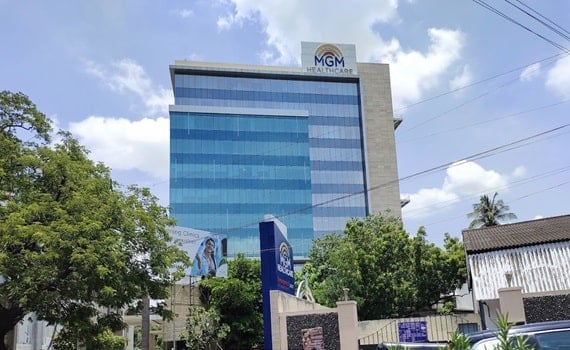
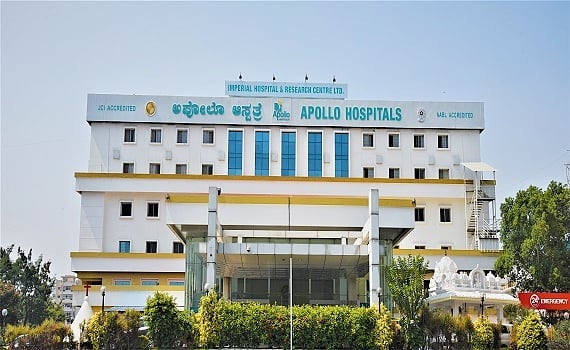
Recommended Hospitals for Minimally Invasive Spine Surgery


Frequently Asked Questions Related to Minimally Invasive Spine Surgery Cost in India
It is spine surgery performed through small incisions using tubes or endoscopes. It aims for the same result as open surgery with less muscle damage.
It carries similar risks to open surgery, including infection, nerve injury and recurring symptoms. Some studies suggest a lower infection rate.
The AAOS says the criteria match those for open surgery. Non-surgical treatment should have been tried, and the exact source of pain must be identified.
Common uses include herniated discs and spinal stenosis. Fusions can also be done minimally invasively.
The L4–L5 level is commonly treated with minimally invasive techniques. Suitability depends on the exact problem seen on your scans.
Recovery is often faster than open surgery, with shorter hospital stays. The exact time depends on the procedure performed.
The cost of minimally invasive spine surgery in India typically ranges from $7,000 to $13,500 USD, depending on the hospital, city, and type of procedure.
Not always. It suits many conditions, but some complex problems still need open surgery. The AAOS notes it is more technically demanding.
Yes. The AAOS notes that incomplete fusion is more likely in smokers.
Yes, but the incisions are smaller. Endoscopic techniques may use one incision of about 1 cm or two of about 7 mm.
 Chat