

What Is the Cost of Melasma Treatment in Germany?
The cost of Melasma treatment in Germany typically ranges from $2,500 to $22,000 USD, depending on the hospital, city, and type of procedure.
Melasma is a common, harmless condition that causes flat brown or grey-brown patches, usually on the face. It often returns after treatment. In Germany, the total depends on:
- Sun protection: the most important step.
- Creams: hydroquinone, combination creams or azelaic acid.
- Tablets or other treatments: such as tranexamic acid.
- Procedures: peels, microneedling or laser, which carry risks.
German statutory insurers do not pay for cosmetic procedures that are not medically necessary, and procedures carried out for purely aesthetic reasons are not exempt from VAT.
What Causes Melasma
The British Association of Dermatologists explains that melasma mostly affects women, especially during pregnancy, and is more common in people with darker skin. Triggers include sunlight, sunbeds, the contraceptive pill, HRT and pregnancy, and visible light may also contribute.
Sun protection is the most important part of treatment, using broad-spectrum sunscreen of SPF 30 or more with high UVA protection, tinted sunscreen containing iron oxide and hats.
Our Services for Melasma Treatment in Germany
Transparent, professional support—without the hassles.
Book Doctor Appointment
Choose a specialist and schedule a convenient consultation.
Video or In-person Consultation
Consult remotely or meet your doctor directly at the hospital.
Compare Cost Estimates
Review transparent estimates from suitable hospitals.
Hospitalisation Support
Get coordinated assistance throughout your hospital stay.
 WhatsApp Us
Treatments for Melasma
Hydroquinone cream is used for short periods, and triple combination creams are used under supervision. Hydroquinone and retinoids are avoided in pregnancy. Azelaic acid, vitamin C and tranexamic acid tablets or cream are other options.
Chemical peels, microneedling and lasers carry a risk of making pigmentation worse. There is no cure, and melasma often returns, so camouflage make-up is useful for some people.
Melasma Treatment in Germany
Melasma treatment for appearance is usually paid directly, and VAT may apply. Because treatment continues over months, international patients usually need a plan that can be followed at home. International patients are usually treated in Germany as self-paying patients: the hospital reviews the medical reports, sends a cost estimate and asks for an advance payment before admission, then settles the final bill after discharge.
Top Doctors in Germany
Recommended Doctors for Melasma Treatment
Top Hospitals in Germany
Recommended Hospitals for Melasma Treatment
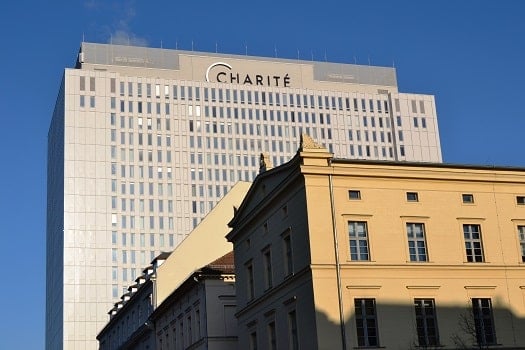




Frequently Asked Questions Related to Melasma Treatment Cost in Germany
Melasma is a common, harmless condition causing flat brown or grey-brown patches, usually on the face. It is more common in women.
Sunlight, sunbeds, the contraceptive pill, HRT and pregnancy are common triggers, according to the British Association of Dermatologists. Visible light may also play a part.
Sun and light exposure make melasma darker. Broad-spectrum sunscreen of SPF 30 or more and a hat are the most important part of treatment.
Hydroquinone is a cream that lightens dark patches. It is used for short periods under medical advice.
Hydroquinone and retinoids are avoided during pregnancy. Sun protection and some other creams may be used.
Yes, tranexamic acid tablets or cream are among the options listed by the British Association of Dermatologists. A doctor checks suitability.
The cost of Melasma treatment in Germany typically ranges from $2,500 to $22,000 USD, depending on the hospital, city, and type of procedure.
Yes, peels, microneedling and lasers carry a risk of making pigmentation worse. They are used with caution.
There is no cure for melasma, and it often returns after treatment. Ongoing sun protection helps keep it under control.
Statutory insurers in Germany do not pay for cosmetic treatment that is not medically necessary. Ask the clinic whether the price includes VAT.
 Chat