

What Is the Cost of Lower Femoral Osteotomy in India?
The cost of lower femoral osteotomy in India typically ranges from $500 to $6,000 USD, depending on the hospital, city, and type of procedure.
A lower (distal) femoral osteotomy, or DFO, realigns the bottom of the thigh bone just above the knee. It is used when arthritis or a knock-knee deformity overloads the outer side of the knee. The cost depends on:
- Correction technique: opening or closing wedge.
- Plate and screws: the implant used to hold the bone.
- Bone graft: sometimes needed for larger corrections.
- Rehabilitation: a longer period of protected walking than after a tibial osteotomy.
How It Differs From a Tibial Osteotomy
Royal Berkshire Hospital NHS Foundation Trust covers both procedures in one leaflet. A high tibial osteotomy cuts the shin bone below the knee, while a distal femoral osteotomy cuts the thigh bone above it. The choice depends on where the deformity sits and which side of the knee is worn.
Both aim to preserve the natural knee by shifting load to healthier cartilage. Both use a plate and screws, so no plaster or brace is needed afterwards.
Our Services for Lower femoral Osteotomy in India
Transparent, professional support—without the hassles.
Book Doctor Appointment
Choose a specialist and schedule a convenient consultation.
Video or In-person Consultation
Consult remotely or meet your doctor directly at the hospital.
Compare Cost Estimates
Review transparent estimates from suitable hospitals.
Hospitalisation Support
Get coordinated assistance throughout your hospital stay.
 WhatsApp Us
Recovery After Femoral Osteotomy
The NHS leaflet advises touch-toe weight-bearing for the first 6 weeks after a DFO, then a gradual increase if healing goes well. Other milestones include:
- Hospital stay: most patients go home the day after surgery.
- Driving: usually at 6 to 10 weeks, once off crutches and able to do an emergency stop.
- X-ray checks: at about 6 weeks and 3 months.
- Full recovery: about 4 to 6 months; vigorous sport may take 6 to 9 months.
Results and Risks
The leaflet reports benefit lasting 10 years in about 92 in 100 patients after distal femoral osteotomy. Like other osteotomies, it can delay rather than prevent a later knee replacement.
Risks are similar to those of tibial osteotomy. Blood clots, delayed healing or non-union affect about 1 to 5 in 100 people. Nerve or blood vessel damage affects about 1 to 5 in 1,000. The plate may need removing later if it causes discomfort.
Top Doctors in India
Recommended Doctors for Lower femoral Osteotomy









Dr. Jarugumilli Srikanth
Consultant
Arthroscopy and Sports MedicineApollo Hospital DRDO



Top Hospitals in India
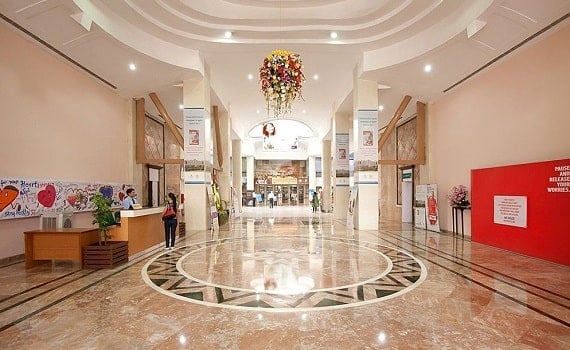
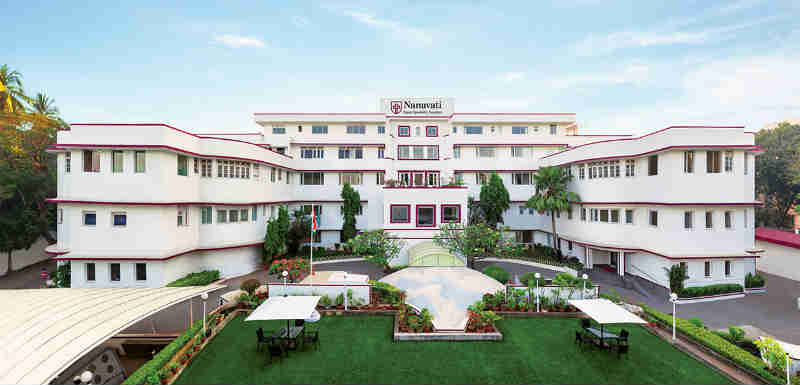
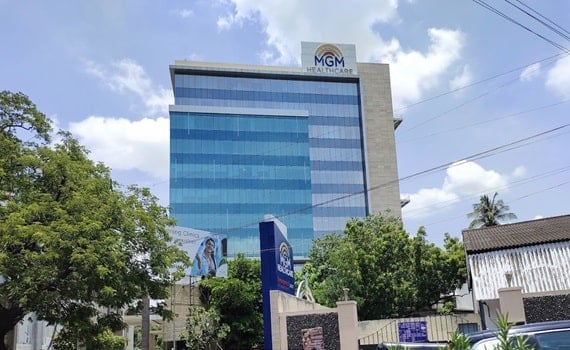
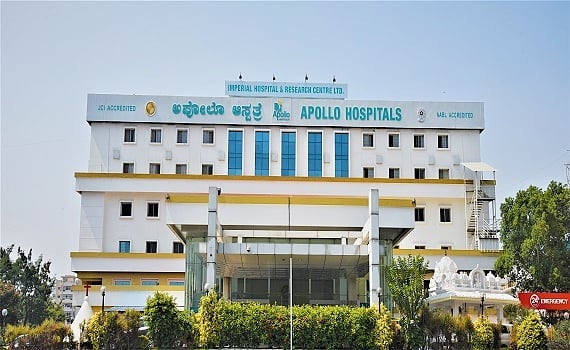
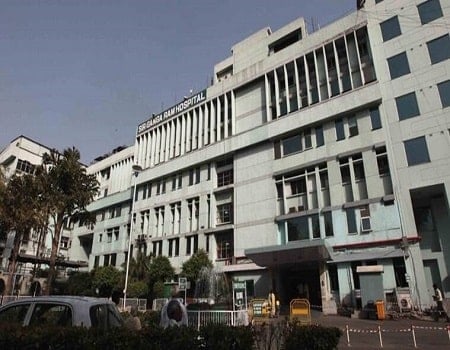
Recommended Hospitals for Lower femoral Osteotomy


Frequently Asked Questions Related to Lower femoral Osteotomy Cost in India
It is an operation that cuts and realigns the lower thigh bone just above the knee. It moves weight away from a worn or overloaded part of the knee joint.
It is usually considered for arthritis or deformity affecting the outer side of the knee, often with knock knees. Your surgeon decides between femoral and tibial osteotomy based on where the deformity lies.
Yes. It is a bone operation under general anaesthetic, held with a plate and screws, and it needs several weeks of protected walking.
Recovery usually takes about 4 to 6 months. The NHS leaflet advises only touch-toe weight-bearing for the first 6 weeks.
Usually at about 6 to 10 weeks. You need to be off crutches and able to perform an emergency stop safely.
Royal Berkshire NHS reports benefit at 10 years in about 92 in 100 patients after distal femoral osteotomy. Arthritis can still progress over time.
The cost of lower femoral osteotomy in India typically ranges from $500 to $6,000 USD, depending on the hospital, city, and type of procedure.
Blood clots, delayed bone healing and non-union affect about 1 to 5 in 100 people. Nerve or blood vessel injury is rarer, at about 1 to 5 in 1,000.
Not permanently. It is a joint-preserving operation that can delay a replacement, which remains an option later.
It is generally offered to younger, active adults whose arthritis is limited to one part of the knee. Age is weighed alongside activity level, deformity and overall knee health.
 Chat