

What is Liver Transplant Cost in India?
Liver, a central organ in detoxification and metabolism, performs vital functions such as production of bile and metabolism of nutrients. However, factors like alcohol abuse, inherited diseases, hepatitis, cirrhosis, and other chronic liver conditions can hinder its full potential. This leads to toxin buildup and impacts overall bodily processes. So, to restore its function, liver transplantation is advised by the doctors.
According to the latest statistics, more than 1800 liver transplants (LT) are performed in India every year in around 90‐100 active LT centres.
The average cost of a liver transplant for Indian patients ranges between INR 16,00,000 and INR 18,00,000. For International patients, the cost ranges from USD 25000 to USD 32000 and their total stay in India will be 2 months. Liver transplant is a package which includes pre transplant checkup, donor tests, transplant surgery for recipient and donor, stent removal and hospital stay.
The patient must arrive 15-20 days prior to the transplant at the guest house. They should then be at the hospital for medical examinations one day before the surgery. Hospitalisation may last 2-3 weeks after the procedure. The liver donor has to stay in the hospital for 5-7 days.
What is a Liver Transplant?
Liver has an ability to regenerate itself by a process known as hypertrophy. Some conditions such as cirrhosis and end stage liver disease lead to severe liver damage beyond repair. If untreated, these ailments can progress to liver failure, necessitating immediate intervention. Some of the conditions associated with the liver are listed below.
Chronic liver disease such as cirrhosis, chronic hepatitis B or C, alcohol abuse, fatty liver disease, autoimmune hepatitis, or other liver diseases.
Acute liver failure caused due to drug overdose, viral hepatitis, autoimmune liver diseases, or other acute conditions.
Liver cancer such as hepatocellular carcinoma (HCC).
Genetic liver diseases such as Wilson's disease, hemochromatosis, alpha-1 antitrypsin deficiency etc.
Biliary Atresia, a condition in infants where the bile ducts are absent.
Liver Damage caused due to infections, toxins or other vascular disorders.
When the damage from these ailments becomes irreparable, patients may suffer from symptoms such as nausea, persistent fatigue, loss of appetite and recurrent diarrhoea. When overlooked, it may reach to advance stages and cause symptoms such as:
Jaundice (yellowing of your skin and eyes)
Mental disorientation
Fluid buildup in the body
With time, these symptoms get worse and may require immediate intervention. In this critical condition, a surgical procedure known as liver transplantation becomes necessary.
This involves removing the diseased portion of liver and transplanting a new liver, either from a living donor, such as a family member or a friend who donates a portion of their liver, or from a deceased donor who has consented to organ donation prior to their death. The donated liver must match the recipient's blood type or donor should have O blood group(universal donor) and have tissue compatibility (by HLA typing) to minimise the risk of organ rejection.
This procedure aims to restore the liver's vital functions, including detoxification, metabolism, and immune regulation, enabling the recipient to live a healthier life.
Our Services for Liver Transplant in India
Transparent, professional support—without the hassles.
Book Doctor Appointment
Choose a specialist and schedule a convenient consultation.
Video or In-person Consultation
Consult remotely or meet your doctor directly at the hospital.
Compare Cost Estimates
Review transparent estimates from suitable hospitals.
Hospitalisation Support
Get coordinated assistance throughout your hospital stay.
 WhatsApp Us
What are the Types of Liver Transplants?
Liver transplantation is a lifesaving surgical procedure. Before carrying out the process, a thorough evaluation of both the donor and recipient to ensure compatibility and assess surgical risks. Livers for transplantation come from either deceased or living donors and based on this, the liver transplant can be categorised into-
Living donor liver transplant (LDLT)
In a living donor liver transplant, the surgeon removes a portion of the liver from a consenting and healthy living donor, most frequently any of the patients’ family members. Then, they transplant into the recipient and are kept under medications until the patient’s body accepts the transplanted organ.
Orthotopic transplant or deceased donor liver transplant (DDLT)
In this type of transplant, the liver is obtained from a deceased donor within 24 hours after their death. They must have previously consented to organ donation and must not be suffering from any sort of disease such as cancer.
The liver from the donor is then surgically removed and transplanted into the recipient. All blood vessels associated with the liver are then connected and kept under observation in the liver transplant units (LTU).
Since, both the donor's liver and the transplanted portion in the recipient have the remarkable ability to regenerate. It takes only 3-4 weeks for a liver to regrow to 80% and in 1-2 months, it regenerates completely.
What are the Factors Affecting Liver Transplant Costs in India?
Liver transplant price in India is affected by various factors such as extent of damage, patient’s health status and others such as:
Hospital reputation and doctor’s expertise
Well-established hospitals with experienced doctors provide better facilities and charge higher fees for liver transplant ensuring comprehensive care to the patients.
Type of liver transplant
Based on availability, a donor can be both a living person or a deceased person. For a deceased person, prior consent for their organ donation is necessary. For a living person, medical checkups and tissue compatibility tests are performed which impact the liver transplant price in India.
Type of donor | INR | USD |
|---|---|---|
Living donor transplant | 16,00,000-18,00,000 | 25000-32000 |
Deceased donor transplant | 20,00,000-22,00,000 | 33000-36000 |
Additional stay at hospital/liver transplant (LTP) unit
In certain medical complexities, the patient may have to stay for some extra days in the hospital or LTP unit for post-operative care. Thus, the additional hospital stay costs around INR 12,000 and INR 25,000 (USD 150 to USD 300) on a per day basis.
Medications
Before performing the transplant, some anti-rejections and immunosuppressive medicines are suggested to prepare the recipient's body to accept the transplanted organ. Some of these medications are continued post surgery too incurring additional costs to overall treatment.
What are the Pre-surgical and Post-surgical Expenses in a Liver Replacement Surgery in India?
There are some tests and follow-ups required that may add to expenses apart from the surgery. It can be classified as:
Pre-surgical examination cost (CBC, LFT, KFT, blood sugar test, HBA1C ,USG abdomen for fatty liver, chest X ray ,triphasic CT angiography, PET CT scan (if cancer is detected), HLA typing for patient and donor, electrocardiogram etc.): INR 50,000 to INR 55,000 (USD 1000 to USD 1200)
Post-surgery cost (follow-up consultations, immunosuppressants and other medications): INR 10,000 to INR 15,000 (USD 300 to USD 400)
What are the Inclusions and Exclusions of Liver Transplant Cost Package?
The liver transplant package assures comprehensive medical assessments and thorough monitoring which includes:
Pre-transplant checkup for donor and recipient
Surgery cost for donor and recipient
Hospital stay for the patient (1 day before surgery and 14-20 days post-transplant in the hospital) and for donor (5-7 days)
Medications and consumables
Blood bank services
The package does not include:
Extra investigation before and after the surgery
Extra stay in the hospital (more than 3 weeks)
Healthcare facility if any complication occurs
Dialysis and CRRT
Post surgical radiological interventions like PTBD, CT guided drainage
Imported medications (Cytogam, Zoster)
Who should not be recommended for a liver transplant?
Liver transplant is considered the best treatment option for patients with end-stage liver disease or specific liver conditions where other treatments have failed. Though, there are some constraints in which liver transplant should be avoided such as:
Alcoholic liver disease
Patients who are actively consuming alcohol or drugs may not be allowed for liver transplant until they have demonstrated a period of abstinence (6 months) and commitment to rehabilitation. The main consideration is that the procedure would be fruitless if a patient relapses to drinking and damages the new liver as well.
Advanced Age and Severe Comorbidities
Older adults with conditions such as severe heart disease, lung disease etc. may not be considered suitable candidates due to the risks associated with surgery. There are high chances that they don’t respond to immunosuppressive therapies properly.
Advanced Metastatic Cancer
Individuals with metastatic cancer that has spread beyond the liver are generally not considered for liver transplantation. However, localised cancers may be considered after properly evaluating the patient's health condition.
Severe Cardiovascular Dysfunction
Severe heart disease or vascular conditions that pose a high risk during surgery or recovery doesn’t meet the necessary medical criteria to undergo liver transplant. These conditions could compromise the patient's ability to tolerate the subsequent immunosuppressive therapy required post-transplantation.
What should be post-liver transplant care?
In order to make the liver transplant surgery a complete success, it’s crucial to manage potential post-surgical complications. Some of the measures for post liver transplant care are as follows:
Monitoring and follow-ups
After the liver transplant surgery, the patient has to stay in hospital for 2-3 weeks where doctors observe any signs of organ rejection or bleeding. Also, doctors introduce the symptoms to the patients which should be immediately reported to avoid any further complication.
Avoiding alcohol and other substances
Alcohol can directly damage the liver, especially in the context of a transplant where the new liver is still adapting and vulnerable. Even small amounts of alcohol can have a significant impact on liver function. Hence, doctors suggest avoiding alcohol consumption in all circumstances.
Infection Prevention
Since immunosuppressive medications lower the functioning of the immune response, possible causes of infection should be avoided by the patient. This includes vaccinations, avoiding sick individuals and visiting hospitals,maintaining good hygiene practices.
Does Health Insurance cover for Total liver Replacement Surgery?
In India, insurance agencies cover various organ transplant procedures, including liver transplant. When your transplant surgeon recommends liver transplant, your next step is to submit your prescription, investigation reports, hospital admission papers to the insurance agency along with your policy papers. They will assess your claim eligibility and work with the hospital to cover your medical expenses as per policy terms.
Generally, health insurance policies may cover a portion or all of the expenses, including pre-transplant evaluation, hospitalisation, surgeon fees, immunosuppressive medications and so on.
Hence, it's also crucial to understand the insurance's coverage scope and affiliated hospital network. Otherwise, you may need to bear the remaining costs yourself or use some alternative financial sources.
Top Doctors in India
Recommended Doctors for Liver Transplant















Top Hospitals in India
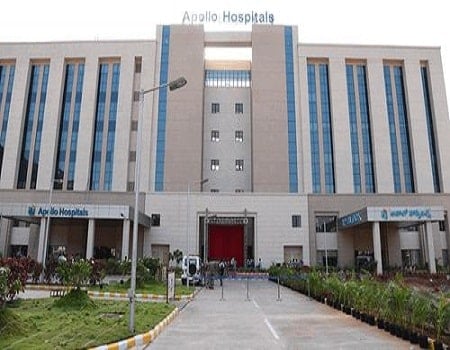
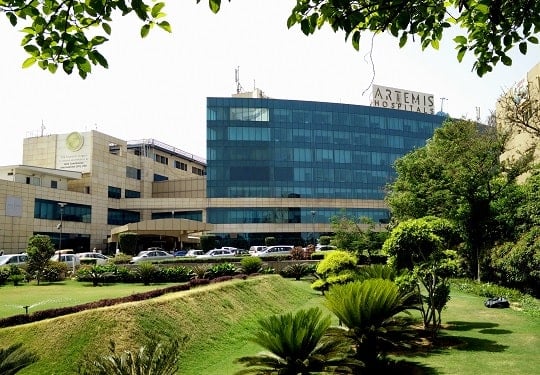
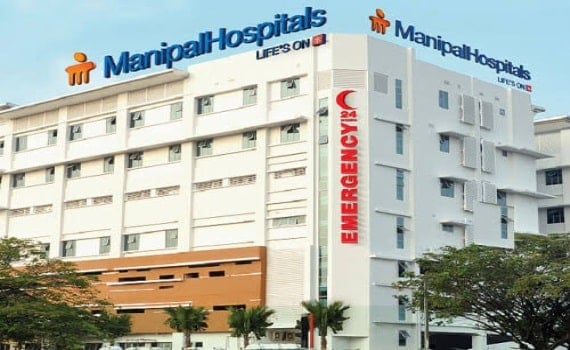
Recommended Hospitals for Liver Transplant









Frequently Asked Questions Related to Liver Transplant Cost
There are several pre-liver transplant tests that you will have to get including an MRI of the abdomen/pelvis, CT scan of abdomen/pelvis, colonoscopy, dobutamine stress echocardiogram (DSE), ultrasound of abdomen/pelvis, electrocardiogram/chest X-ray,, mammogram or pap smear for women, and other testing and blood work. The package typically includes the cost of these tests too.
Immediately after the liver transplant, the patient must take three medications in high dosages to avoid rejection of the liver. Later, different assortments of medications and lesser dosages are given to the patient to minimize side effects and the immune system to recover. The medicine cost is included in the package when the patient is in the hospital getting a liver transplant. However, medicines taken for recovery are not covered in the package.
For a liver transplant, you will have to stay at the hospital for about 2 to 3 weeks. Some patients go home sooner depending on their health. The first follow-up is generally within 1 to 2 weeks after you leave the hospital. The follow-ups will continue for 3 alternating months in the first year and then once a year for the rest of your life.
After getting a liver transplant, you need to follow up with your doctors who may take several blood tests to check the health of your new liver, which will cost you extra. You will also need to take immunosuppressants that help your body not prevent the transplanted liver. To avoid complications such as bleeding (hemorrhage), bile leakage, loss of kidney function, etc., you will have to take certain medications, which will cost you extra. We highly suggest you contact your doctor to know the best treatment course for you.
Yes, a liver transplant is generally covered in your health insurance under the “Donor expense cover”. You may still contact your insurance provider to know more about different plans and coverage.
A liver transplant is an effective option to treat liver damage, however, due to the long waiting list to find the perfect matching donor, people settle for lesser treatment options including extracorporeal artificial liver devices, bioartificial liver devices using hepatocytes, or hepatocyte transplantation. Do check in with your transplant doctor to know the best course of action.
Everything You Need to Know About Liver Transplant: Q&A
Before the Procedure · 12 Questions
Rejection is your body's way of not accepting the transplant. Although rejection is most common in the first six months after surgery, it can occur at any time.
A liver transplant is surgery to replace a diseased liver with a healthy liver from another person. A whole liver may be transplanted, or just part of one.The liver is the only organ in the body that can replace lost or injured tissue (regenerate). The donor's liver will soon grow back to normal size after surgery.
In general, about 75% of people who undergo liver transplant live for at least five years.
The age limit is individualized as it varies with a patient's overall health condition. However, it is rare to offer liver transplant to someone greater than 70 years old.
89-90%
Attested birth certificate of the patient and the donor, Attested family records of the patient and the donor, Passport copies of the patient and the donor and in case of a married donor, an attested consent of the donor's husband/wife. There could be other documents specific to your case, and you must talk about it in detail with your case manager.
Liver transplant is the procedure which is used for replacing the diseased part of the liver with the healthy part of the liver called as donor.
Liver transplant is needed in case of some conditions such as chronic hepatitis with cirrhosis, primary biliary cholangitis, sclerosing cholangitis, alcohol overuse, liver cancer, wilsons disease and hemochromatosis.
The chances of living after liver transplant is 89%. In some cases the transplanted liver can fail or the original disease may come.
The result of liver transplant is excellent, most people have lead a normal life even after 30 years after surgery.
You are not eligible for liver transplant if your age is 65 years or more than it and you are having severe obesity with disease such as hepatitis B.
Most people who undergone liver transplant can live for more than 10 years and many patients can live for 20 years or even more than it. According to a study it is said that 90% of people who have undergone liver transplant has survived for one year or even more.
During the Procedure · 4 Questions
The duration of the surgery ranges from 4 to 18 hours depending on outcome.
After the liver transplant, patients will be in the intensive care unit for two days. After that, they are in the regular part of the hospital for about eight to ten days.
Liver transplant is a major surgery it will take around six to twelve hours to complete.
In liver transplant the surgeon first operate on the donor part of your liver by removing the portion of liver required for transplant. Then the surgeon removes the disease part of your liver and place the donated part of your liver and then blood vessels and bile ducts are connected to new liver. The following steps are being followed during liver transplant surgery:
- An incision is made in your abdomen
- Blood vessels are being cut off to the diseased part of your liver
- Diseased liver is removed and then it is replaced with a healthy donor liver
- Reattach the bile ducts and blood vessels.
- At last it is attached to the bile ducts and blood vessels and the incisions are closed.
Post the Procedure · 6 Questions
Liver transplant patients will need to take some combination of medications for life after their transplant.
You will definitely have some pain after liver transplant but the pain is not severe just like other abdominal surgeries because the nerves which are disconnected during the initial abdominal incisions causes numbness of the skin and near the abdomen and the nerves regenerate in six months after surgery.
The recovery time after liver transplant will be of six months or more before you are completely healed. You will be able to do your normal activities and go back to work within a few months after surgery.
Complications of liver transplant includes acute graft rejection, vascular thrombosis, biliary leak or stricture, infection and malignancy.
If your body rejects liver transplant then your body may experience some mild symptoms for it initially such as having high fever, increased liver function tests, yellowing of the eyes and skin and fatigue.
There are very less chances of rejection in liver transplant, only 30 out of 100 patients have suffered from rejection. The risk of rejection after liver transplant is very high in the first six months after transplant because at this time there is less chance that your body will recognise liver coming from another person.
 Chat
Chat