

What Is the Cost of Lithotripsy in Germany?
The cost of lithotripsy in Germany typically ranges from $2,500 to $22,000 USD, depending on the hospital, city, and type of procedure.
Lithotripsy breaks kidney stones into smaller pieces so they can pass in the urine. This page gives an overview of the main methods, including shockwave and laser treatment. In Germany, the total depends on:
- Method: shockwave, laser or percutaneous treatment.
- Stone size and position: which guide the choice.
- Number of sessions: shockwave may need more than one.
- Anaesthesia: depending on the method.
Comparing Stone Treatments
The NHS explains that kidney stone treatments include shockwave lithotripsy (SWL), ureteroscopy with a laser under general anaesthetic, and percutaneous nephrolithotomy (PCNL), and that complications can include infection, a blocked ureter, injury to the urinary tract and bleeding.
Oxford University Hospitals explains that shockwave treatment takes about 45 minutes and most people need more than one session, while very hard stones may not break up.
Our Services for Lithotripsy in Germany
Transparent, professional support—without the hassles.
Book Doctor Appointment
Choose a specialist and schedule a convenient consultation.
Video or In-person Consultation
Consult remotely or meet your doctor directly at the hospital.
Compare Cost Estimates
Review transparent estimates from suitable hospitals.
Hospitalisation Support
Get coordinated assistance throughout your hospital stay.
 WhatsApp Us
After Lithotripsy
Blood in the urine for up to 72 hours and bruising are common after shockwave treatment. Fragments can become stuck in 1 in 10 to 1 in 50 cases.
Severe infection occurs in 1 in 50 to 1 in 250, and blood thinners usually need to be stopped beforehand.
Lithotripsy in Germany
Outpatient services for self-paying patients in Germany are billed under the physicians' fee schedule (GOÄ), which allows a doctor to charge from the single rate up to 3.5 times the listed fee.
Patients insured in another EU country need an S2 form from their own insurer for planned treatment in Germany, as the EHIC is intended for unplanned care.
Top Doctors in Germany
Recommended Doctors for Lithotripsy













Top Hospitals in Germany
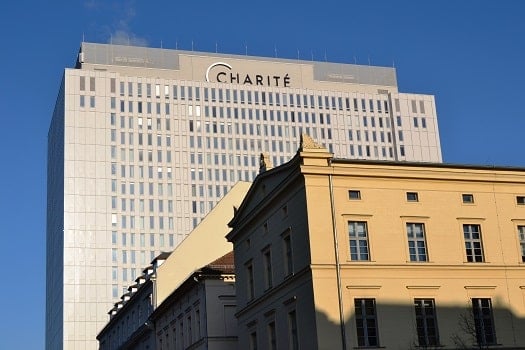
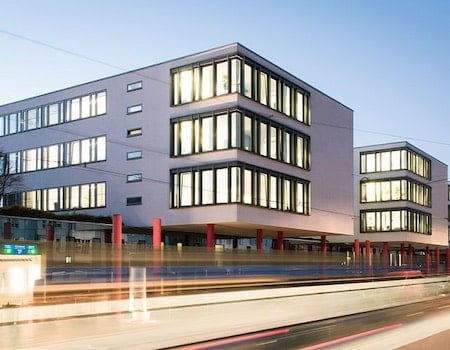
Recommended Hospitals for Lithotripsy





Frequently Asked Questions Related to Lithotripsy Cost in Germany
Lithotripsy breaks kidney stones into smaller pieces so they can pass in the urine. Shockwave and laser treatments are the main methods.
The NHS lists shockwave lithotripsy, ureteroscopy with laser and percutaneous nephrolithotomy. The choice depends on stone size and position.
Oxford University Hospitals says shockwave treatment takes about 45 minutes. Most people need more than one session.
Oxford University Hospitals notes that blood in the urine for up to 72 hours is common after shockwave treatment. Drink plenty of fluids.
Fragments can become stuck in 1 in 10 to 1 in 50 cases, according to Oxford University Hospitals. Further treatment may then be needed.
Severe infection occurs in 1 in 50 to 1 in 250 cases. Fever after treatment needs urgent assessment.
The cost of lithotripsy in Germany typically ranges from $2,500 to $22,000 USD, depending on the hospital, city, and type of procedure.
Blood thinners raise the risk of bleeding around the kidney, so they usually need to be stopped beforehand. Your doctor will advise.
Very hard stones may not break up with shockwave treatment, according to Oxford University Hospitals. Laser treatment may be used instead.
Outpatient services for self-paying patients are billed under the GOÄ, which allows fees up to 3.5 times the listed rate. Ask how many sessions the estimate covers.
 Chat