

Cost of Limb Lengthening in Cairo
Limb Lengthening is achieved using the body's capacity to regenerate new bone as well as the soft tissues, ligaments, blood vessels, and nerves that surround and support it.
The procedure begins with an operation called an osteotomy, in which the Orthopaedic Surgeon cuts the bone to be lengthened.
The limb (usually the upper or lower leg) is then stabilized using one of several different external and internal fixation devices.
Our Services for Limb Lengthening in Cairo
Transparent, professional support—without the hassles.
Book Doctor Appointment
Choose a specialist and schedule a convenient consultation.
Video or In-person Consultation
Consult remotely or meet your doctor directly at the hospital.
Compare Cost Estimates
Review transparent estimates from suitable hospitals.
Hospitalisation Support
Get coordinated assistance throughout your hospital stay.
 WhatsApp Us
Top Hospitals in Cairo
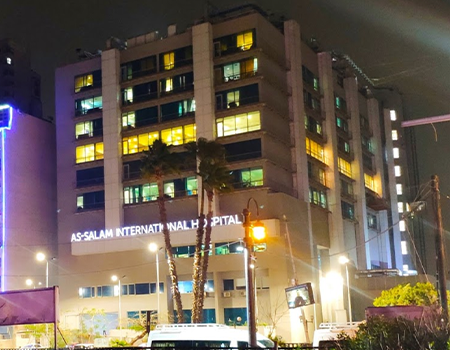
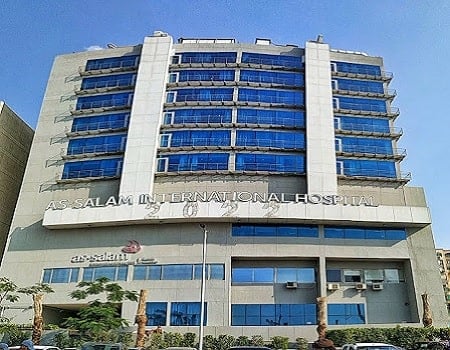
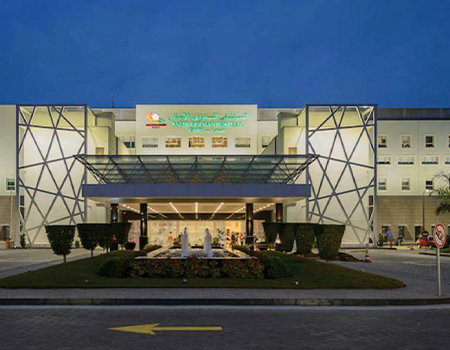
Recommended Hospitals for Limb Lengthening






Inclusions in the package
The cost of Limb Lengthning procedure includes:
- Preoperative diagnostic tests cost [some tests that may be required includes an x-ray of the leg to determine the exact length, a blood test, and possibly a bone density test]
- Surgery cost
- Post-Operative cost (depends on the number of follow-up sessions)
- Medicine cost (Lovenox is given for two weeks post-surgery, painkillers etc.)
- Patient's hospital stay
Note: Generally, the surgery can add up to 2 inches to a patient's height. One inch is increased per month after the consolidation of 3 months.
Factors affecting cost of Limb Lengthening
The overall cost of the procedure also varies based on the patient's condition and preferences. Some of these factors are:
- Type of hospital and room opted (General, Twin sharing or single room)
- Additional tests, if required
- Post-surgical complication, if it happens (such as nerve damage, muscle damage, joint contracture, dislocations, etc.)
- Cost of Blood products (if required)
- An extended stay at the Hospital
- Cost of Accommodation during follow-ups, in case the patient is not a local resident
Success Rate
Everything You Need to Know About Limb Lengthening: Q&A
Before the Procedure · 8 Questions
Diabetes doesn't seem to raise risks after this surgery. If you have high blood pressure and if it is under control, there is no reason to worry about not having a safe and successful surgery.
Even if your blood pressure becomes elevated during surgery you will be given intravenous medication to reduce it. Consult your cardiologist if you are planning to undergo the surgery because some medicine doses are modified accordingly.
Generally, the surgery can add 2 inches to a patient's height.1 inch is increased per month after the consolidation of 3 months.
Yes, the arms-length can be extended too.
Limb lengthening surgery can be done safely and effectively in both children and adults–including those in their 20s, 30s, 40s, and even 50s.
Limb lengthening surgery is the procedure which is being used for lengthening the bones in the arms and legs region and this is a gradual process which makes your bones and soft tissues to slowly increase in length. This procedure will take several months to be completed.
No, limb lengthening surgery is not painful you will be under general anesthesia you will not feel any pain or sensation. If you ae using a lengthening rod inside the bone or external fixator there will be soreness as the bones and muscles lengthen and you will be given medicines for reducing pain.
Limb lengthening surgery can be done in both children and adults who are in the age of 20s to 60s.
This surgery involves series of treatment and it has a long recovery period along with some risks also. But it can even add few inches of length to a leg and it is done under general anaesthesia.
During the Procedure · 4 Questions
It usually lasts for 1.5-2 hours.
The time duration of limb lengthening surgery will take around two hours to complete and the lengthening process will take around two to three months.
Limb lengthening surgery stimulates the bone in legs or arms for longer growth. In this procedure the bone is cut and it is being attached with device which slowly moves the two ends of bone apart. When the bone space is opened the two ends of the bone will grow and fill the gap.
As we lengthen the bone we are stretching the soft tissues near the bone. As compared to daily stretching you can also do tight hamstrings but with gentle stretching. Patient is monitored very closely during this procedure, if the nerve is getting stretched too far or a muscle is getting too tight and slow down and can even stop the lengthening procedure.
Post the Procedure · 8 Questions
The patient will stay in the hospital for three days.
Healing usually requires from eight to 12 weeks, at which time full activities can be resumed.
In the case of leg shortening surgery, two to three weeks of hospitalization is common. Occasionally, a cast is placed on the leg for three to four weeks.
Depending upon your doctor the follow-up visits may or may not be required.
When your new bone is fully formed you can do any activity like before but for the first few days you have to adjust with the new length of your muscles but it will too long time.
This procedure has got some serious risks such as nerve damage, muscle damage, joint contracture, dislocations and arthritis. Patient should know about this surgery from before while they are deciding about the treatment.
After spending a little time of healing you can get back to your normal routine as early as possible. If you have a lengthening rod then you will not be able to put all your weight on the leg being lengthened and you have to use crutches until the bone is almost completely healed. If you have an external fixator, the frame will support your whole body weight and after a few weeks you won’t need crutches.
During the initial days of the surgery you have to visit your doctor for every weeks and after completing your first month you need to visit your doctor for every months after surgery.
The amount of time needed for limb lengthening surgery is decided by the growth of your limbs. Irrespective of the technique, it will take around six to nine months from the time of surgery.
 Chat
Chat