

What Is the Cost of Legg-Calvé-Perthes Disease (LCPD) Treatment in Germany?
The cost of Legg-Calvé-Perthes Disease (LCPD) treatment in Germany typically ranges from $2,500 to $22,000 USD, depending on the hospital, city, and type of procedure.
Legg-Calvé-Perthes disease (Perthes disease) is a childhood hip condition in which the blood supply to the head of the thigh bone is temporarily disrupted, so the bone softens and may flatten. In Germany, the total depends on:
- Monitoring: with regular X-rays for most children.
- Pain relief and physiotherapy: including hydrotherapy.
- Crutches: only if pain is severe.
- Surgery: osteotomy or soft tissue release in severe cases.
Most children need only monitoring, so costs at the upper end of this range apply mainly to surgery.
Perthes Disease: Who Is Affected
Robert Jones and Agnes Hunt Orthopaedic Hospital explains that Perthes disease affects about 1 in 10,000 children, is about four times more common in boys and most often starts between four and eight years of age. About 10% of children develop it in the other hip too.
Children may have pain in the groin, thigh or knee, a limp and stiffness. An X-ray confirms the diagnosis.
Our Services for Legg-Calvé-Perthes Disease (LCPD) Treatment in Germany
Transparent, professional support—without the hassles.
Book Doctor Appointment
Choose a specialist and schedule a convenient consultation.
Video or In-person Consultation
Consult remotely or meet your doctor directly at the hospital.
Compare Cost Estimates
Review transparent estimates from suitable hospitals.
Hospitalisation Support
Get coordinated assistance throughout your hospital stay.
 WhatsApp Us
Treatment and Recovery for Perthes Disease
Recovery takes about two to three years, and most children need only monitoring. Pain relief, physiotherapy and hydrotherapy help, high-impact activities are avoided early on and swimming is encouraged.
Severe cases may need surgery, such as an osteotomy of the thigh bone or pelvis or a soft tissue release. The outcome depends on how much the bone flattens, and severe flattening raises the risk of early arthritis.
Perthes Disease Treatment in Germany
Most children with Perthes disease are monitored over years near home, so travel to Germany is usually for a specialist opinion or surgery. International patients are usually treated in Germany as self-paying patients: the hospital reviews the medical reports, sends a cost estimate and asks for an advance payment before admission, then settles the final bill after discharge.
Top Doctors in Germany
Recommended Doctors for Legg-Calvé-Perthes Disease (LCPD) Treatment




Top Hospitals in Germany
Recommended Hospitals for Legg-Calvé-Perthes Disease (LCPD) Treatment
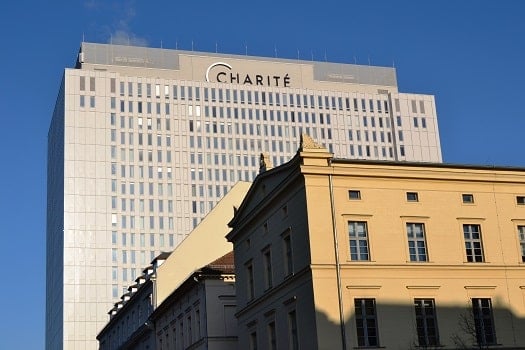





Frequently Asked Questions Related to Legg-Calvé-Perthes Disease (LCPD) Treatment Cost in Germany
Perthes disease is a childhood hip condition in which the blood supply to the head of the thigh bone is temporarily disrupted. The bone softens and may change shape.
It affects about 1 in 10,000 children and is about four times more common in boys. It most often starts between four and eight years of age.
Pain in the groin, thigh or knee, a limp and hip stiffness are common. Knee pain can mislead parents into thinking the knee is the problem.
Recovery takes about two to three years as the bone regrows, according to Robert Jones and Agnes Hunt Orthopaedic Hospital. Regular X-rays track progress.
No, most children with Perthes disease need only monitoring, pain relief and physiotherapy. Surgery is kept for severe cases.
Swimming is encouraged, while high-impact activities are avoided early on. Hydrotherapy can also help.
The cost of Legg-Calvé-Perthes Disease (LCPD) treatment in Germany typically ranges from $2,500 to $22,000 USD, depending on the hospital, city, and type of procedure.
Severe cases may need an osteotomy of the thigh bone or pelvis, or a soft tissue release. These aim to keep the ball of the hip well covered.
Yes, severe flattening of the bone raises the risk of early arthritis. The outcome depends on how much the bone flattens.
Usually for a specialist opinion or for surgery in a severe case. Long-term monitoring with X-rays is normally done near home.
 Chat