

What Is the Cost of Laser Lithotripsy in India?
The cost of laser lithotripsy in India typically ranges from $500 to $6,000 USD, depending on the hospital, city, and type of procedure.
Laser lithotripsy breaks kidney or ureter stones into small pieces using a laser passed through a thin telescope (ureteroscope). No cut is made in the skin. The cost usually depends on:
- Stone size, number and location: larger or multiple stones take longer to treat.
- Type of scope: a rigid scope for the ureter or a flexible scope for the kidney.
- Stent: a temporary tube (stent) is often left in and removed later.
- Anaesthetic and hospital stay: usually a general anaesthetic and a short stay.
Quotes vary widely for stone treatment. Ask whether stent removal and follow-up scans are included.
When Laser Lithotripsy Is Used
The NHS explains that small kidney stones often pass on their own. Treatment may be needed when a stone is too large to pass, is causing severe pain or infection, or is blocking urine flow.
The NHS describes three main procedures for larger stones:
- Shockwave lithotripsy (SWL): shock waves are aimed at the stone from outside the body.
- Ureteroscopy: a thin telescope is passed up the urethra and bladder, and a laser breaks the stone.
- Percutaneous nephrolithotomy (PCNL): the stone is removed through a small cut in the back.
Laser lithotripsy is usually carried out as part of a ureteroscopy.
Our Services for Laser Lithotripsy in India
Transparent, professional support—without the hassles.
Book Doctor Appointment
Choose a specialist and schedule a convenient consultation.
Video or In-person Consultation
Consult remotely or meet your doctor directly at the hospital.
Compare Cost Estimates
Review transparent estimates from suitable hospitals.
Hospitalisation Support
Get coordinated assistance throughout your hospital stay.
 WhatsApp Us
Laser Lithotripsy: How the Procedure Is Done
According to the NHS and University Hospitals Sussex, the procedure is done under general anaesthetic. The surgeon passes the telescope through the urethra and bladder into the ureter or kidney. A laser fibre breaks the stone into fragments, which may be removed with a small basket or left to pass in the urine.
A stent is often placed between the kidney and the bladder to help urine drain while swelling settles. It is removed after a short period.
Laser Lithotripsy: Recovery and Risks
University Hospitals Sussex reports that many people return to work within 7 to 10 days and can usually drive after about 2 weeks. A stent can cause discomfort, a frequent need to pass urine and some blood in the urine until it is removed.
The NHS lists possible complications of stone procedures, including:
- Infection: including urinary infection and, rarely, sepsis.
- Bleeding: blood in the urine is common for a short time.
- Injury to the ureter: uncommon.
- Remaining fragments: a further procedure is sometimes needed.
Top Doctors in India
Recommended Doctors for Laser Lithotripsy












Top Hospitals in India
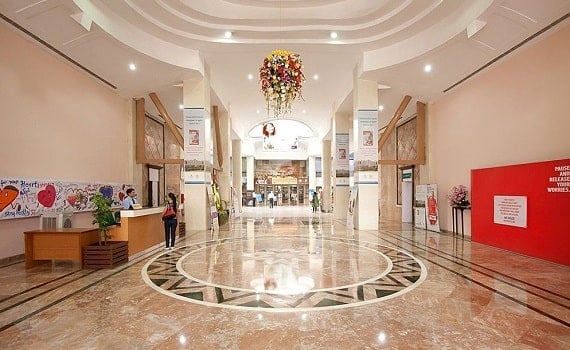
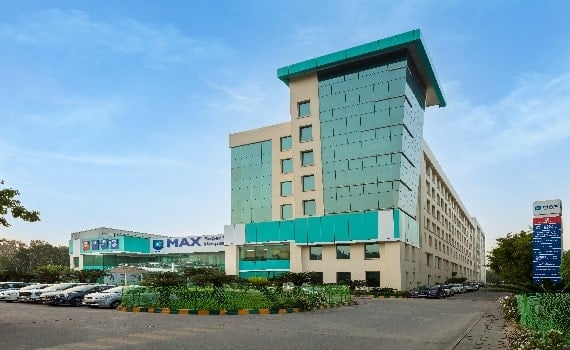
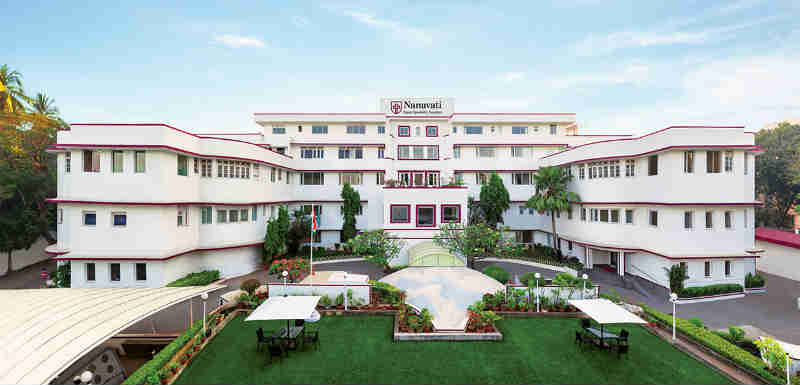
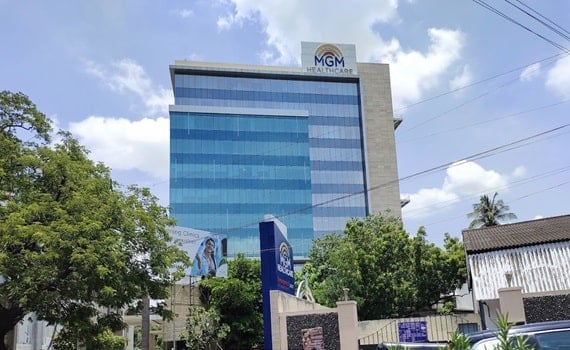
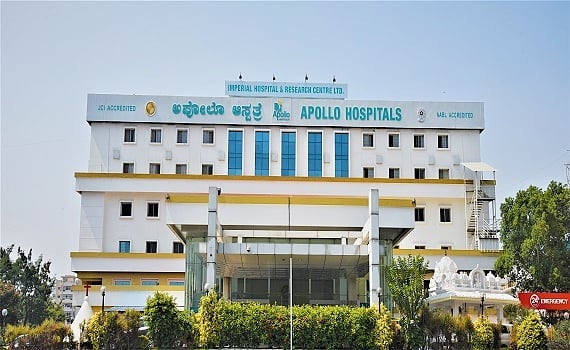
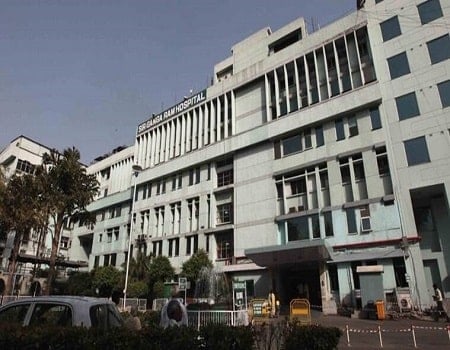
Recommended Hospitals for Laser Lithotripsy

Frequently Asked Questions Related to Laser Lithotripsy Cost in India
It is a procedure that uses a laser, passed through a thin telescope, to break kidney or ureter stones into small pieces. No skin cut is needed.
Yes, it is usually done under general anaesthetic. University Hospitals Sussex describes it as a procedure through the urethra with no external cuts.
Retrograde intrarenal surgery (RIRS) is a type of flexible ureteroscopy in the kidney, and it usually uses a laser to break stones. Laser lithotripsy can also be done in the ureter with a rigid scope.
A temporary stent is often placed to help urine drain. It can cause discomfort and frequent urination until it is removed.
University Hospitals Sussex reports that most people return to work in about 7 to 10 days. Driving is usually possible after about 2 weeks.
Risks include infection, bleeding, injury to the ureter and stone fragments that remain. A second procedure is sometimes needed.
The cost of laser lithotripsy in India typically ranges from $500 to $6,000 USD, depending on the hospital, city, and type of procedure.
It can treat stones in the ureter and in the kidney. Very large kidney stones may be better treated with PCNL, depending on size and position.
The procedure is done under anaesthetic. Afterwards, some discomfort, especially from a stent, is common for a short time.
Yes. Stones can recur. Drinking enough fluids and following dietary advice from your doctor can help reduce the risk.
 Chat