

What Is the Cost of Laparoscopic Cancer Treatment in India?
Laparoscopic Cancer treatment in India typically ranges from $3,000 to $15,000 USD, depending on the hospital, city, and type of procedure.
Laparoscopic cancer surgery is a surgical approach, not a type of cancer. It means removing a tumour through small cuts using a camera and long instruments. The cost depends mostly on:
- The organ and cancer type: for example colon, stomach, uterus, kidney or liver.
- Extent of surgery: removal of lymph nodes or nearby organs.
- Consumables: staplers, energy devices and other single-use instruments.
- Conversion to open surgery: occasionally needed during the operation.
Chemotherapy or radiotherapy before or after surgery is usually quoted separately.
Cancers Commonly Treated With Laparoscopic Surgery
- Colorectal cancer: laparoscopic colectomy and rectal surgery are widely used.
- Gastric cancer: in selected patients at experienced centres.
- Kidney and adrenal tumours: laparoscopic nephrectomy and adrenalectomy.
- Endometrial cancer: laparoscopic hysterectomy and staging.
- Diagnostic laparoscopy: used to look for spread in the abdomen before deciding on major surgery.
Our Services for Laparoscopic Cancer Treatment in India
Transparent, professional support—without the hassles.
Book Doctor Appointment
Choose a specialist and schedule a convenient consultation.
Video or In-person Consultation
Consult remotely or meet your doctor directly at the hospital.
Compare Cost Estimates
Review transparent estimates from suitable hospitals.
Hospitalisation Support
Get coordinated assistance throughout your hospital stay.
 WhatsApp Us
When Open Surgery May Be Safer
Keyhole surgery is not best for every patient. For early cervical cancer, the LACC trial reported by The ASCO Post found that minimally invasive radical hysterectomy had a 4.5-year disease-free survival of 86% compared with 96.5% for open surgery, and worse overall survival. This shows why the approach must be chosen for each cancer based on evidence, not only on the benefits of smaller incisions.
- Ask your surgeon: whether studies show keyhole surgery gives the same cancer outcomes as open surgery for your cancer.
- Very large or advanced tumours: may still be better removed with open surgery.
- Surgeon experience: outcomes depend heavily on the surgeon's volume with the specific operation.
Benefits and Recovery After Laparoscopic Cancer Surgery
- Less pain and smaller scars: than open surgery for many operations.
- Shorter hospital stay: often a few days, depending on the operation.
- Faster return to activity: which can mean starting chemotherapy sooner if needed.
- Time in India: plan around two weeks for surgery, recovery and the pathology result.
Top Doctors in India
Recommended Doctors for Laparoscopic Cancer Treatment

Top Hospitals in India
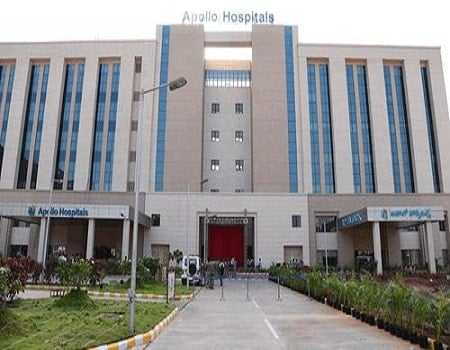
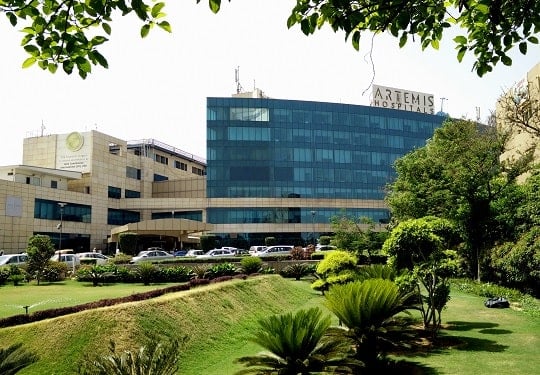
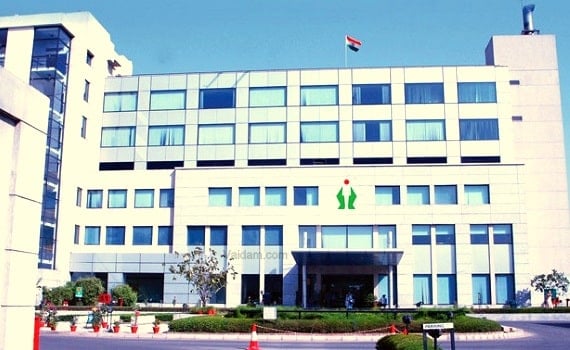
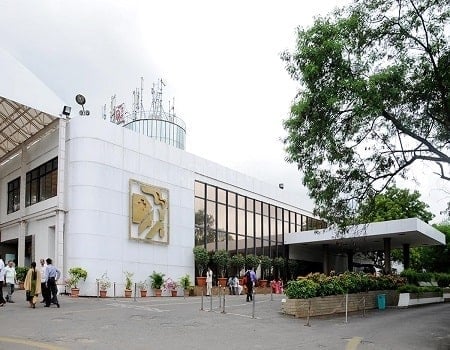
Recommended Hospitals for Laparoscopic Cancer Treatment







Frequently Asked Questions Related to Laparoscopic Cancer Treatment Cost in India
Removal of cancer through small incisions using a camera and long instruments, instead of one large incision.
For many cancers, such as colon cancer, studies show similar results. For some, such as early cervical cancer, open surgery had better outcomes in a major trial.
Robotic surgery is a form of minimally invasive surgery in which the surgeon controls robotic instruments from a console, giving more precise movement in tight spaces.
Often a few days, but it varies with the operation.
No. Suitability depends on the cancer type, size, stage, previous surgery and the patient's health.
A keyhole procedure to look inside the abdomen and take biopsies, often to check for spread before major surgery.
Laparoscopic Cancer treatment in India typically ranges from $3,000 to $15,000 USD, depending on the hospital, city, and type of procedure.
The organ involved and the surgical consumables are the main cost factors.
The surgeon switches to a larger incision for safety. Recovery may then take longer.
There is usually less pain than after open surgery, and pain is controlled with medicines.
Often about one to two weeks afterwards, if recovery is uncomplicated and your surgeon agrees.
 Chat