

Our Services for IGRT in Egypt
Transparent, professional support—without the hassles.
Book Doctor Appointment
Choose a specialist and schedule a convenient consultation.
Video or In-person Consultation
Consult remotely or meet your doctor directly at the hospital.
Compare Cost Estimates
Review transparent estimates from suitable hospitals.
Hospitalisation Support
Get coordinated assistance throughout your hospital stay.
 WhatsApp Us
Top Hospitals in Egypt
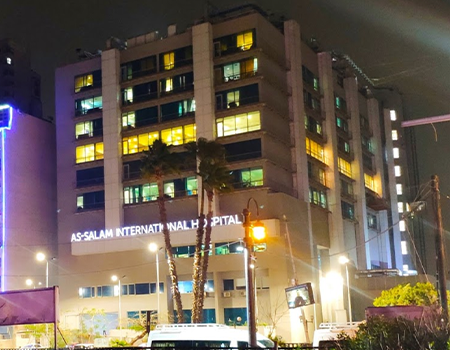
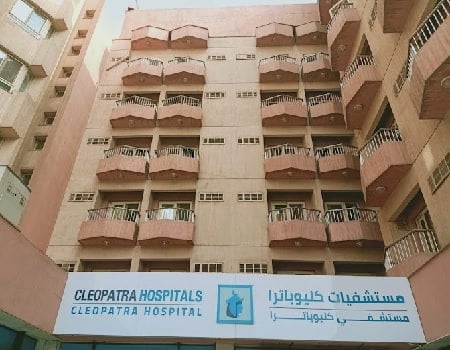
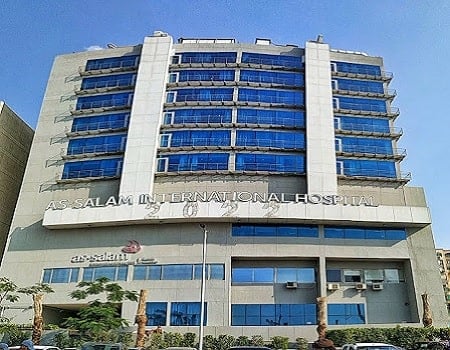
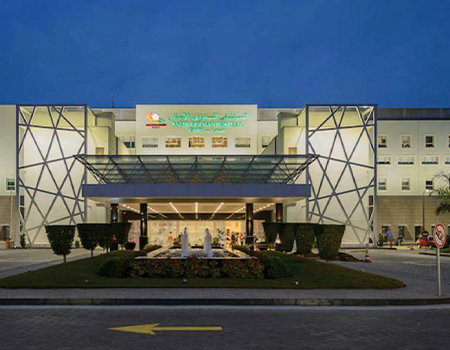
Recommended Hospitals for IGRT





Everything You Need to Know About IGRT: Q&A
Before the Procedure · 12 Questions
The most common side effects are hair loss, difficulty swallowing, eating and digestion problems, diarrhea, nausea and vomiting, headaches, soreness and swelling in the treatment area, urinary and bladder changes.
IGRT is the use of imaging techniques during radiation therapy to improve accuracy and precision of radiation focussed on the treatment area. IGRT is used to treat all type of cancers.
Radiation therapy damages DNA of cancer cells directly or creates charged particles (free radicals) within the cells that can in turn damage the DNA.
Hair loss by radiation can be temporary or permanent. Lower doses cause temporary hair loss whereas large doses cause a permanent effect.
Most health care providers advise patients not to use deodorant before Radiation therapy. Do not put anything on the treated skin, mild soap like a dove and lukewarm water can be used.
Remember to be gentle to your body during radiation. You should always wear loose, soft, cotton clothes, discourage wearing stiff and starched clothes.
First session of IGRT is little longer, rest sessions are typically for 15 mins
IGRT is a method of radiation therapy in which imaging techniques are incorporated during each treatment session. They uses high-energy beam of radiation to control both cancerous and noncancerous tumors. IGRT makes sure that the powerful radiation is being focused at the treatment area.
IGRT incorporates imaging techniques during each treatment session, radiation therapy uses high energy beam of radiation to control both the cancerous and the non cancerous tumors.
If you are going for IGRT treatment, the doctor may choose one or more type of imaging for precisely locating the tumors. Various 2-D, 3-D and 4-D imaging techniques are being used for positioning your body so that the radiation is being carefully focused on the tumor to reduce harm of the healthy cells and the nearby organs.
IGRT uses imaging with the therapy to increase the efficiency by improving the precision and accuracy of the treatment procedure while the IMRT therapy uses high-edged software and sophisticated hardware to vary the intensity and shape of radiation used for different parts of the treatment area.
The technologies used for IGRT includes x-rays, computed tomography, 3-D body surface mapping, MRI and ultrasound. Sometimes it is being done by a detector in the room which tracks the motion by localizing the markers present on the surface.
During the Procedure · 4 Questions
The equipment is being operated by a radiotherapist who is highly trained in this procedure and the overall treatment plan is being created and supervised by the radio oncologist who are specialist in treating cancer along with radiotherapy.
This procedure will involve a radiation oncologist, therapeutic medical physicist and the radiation therapists
During your IGRT you may see or hear the equipments moving around you during the procedure. Sometimes you may also feel an odd smell due to the ozone. Sometimes patient may also see colored light when they are receiving treatment. There can also be some side effects of the radiation treatment which can result in damage to healthy cells in the areas being treated.
The patient is positioned carefully before the treatment.On each treatment day, depending on the type of IGRT used, an x-ray, CT scan or ultrasound will be obtained prior to the treatment. The physicians or a radiation therapist review the images and compare them to the reference images taken during simulation to make position adjustments. The patient may be repositioned and additional imaging may be performed. After that the radiation is being given.
Post the Procedure · 6 Questions
Fatigue is most common side effect of Radiation therapy as it destroys healthy cells in addition to the targeted cancer cells. Most people are in bed or sleep more for 1 to 2 weeks after the therapy is finished. Fatigue may occur as your body tries to repair the damage to healthy cells and tissue
Your body needs to regain lost energy. Drinking lots of fluids and eating well can help keep your energy reserves up. Limit or avoid caffeine and alcohol.
For the first few days after Radiation therapy, you need to maintain hygiene, keep your utendils and towels separate, drink plenty of fluids and avoid sexual contact. Minimize contact with infants, children and pregnant women.
The number and severity of side effects will depend on the type of radiation, dose, and body part under treatment. Radiation can cause early and late side effects. Early side effects happen during or right after treatment. They are typically gone within a few weeks. Common early side effects include fatigue and skin problems. Skin in the treatment area may become sensitive, red, irritated, or swollen. Other changes include dryness, itching, peeling, and blistering.
It will take couple of weeks to monitor you till you are able to fee normal depending on the area of the body which is being treated. Side effects are seen two weeks after the procedure is being completed.
If you are undergoing radiotherapy do not expose the area being treated to sunlight till your radiotherapy is being completed and the skin reactions have settled. The skin in the treatment area will remain sensitive to sunlight sometime after treatment.
 Chat
Chat