

What Is the Cost of Hyperopia (Farsightedness) Treatment in India?
Hyperopia (Farsightedness) treatment in India typically ranges from $500 to $6,000 USD, depending on the hospital, city, and type of procedure.
Hyperopia (long-sightedness) makes close objects blurry. The NHS notes it often affects people over 40, but it can occur at any age and is often inherited. Cost depends on the option chosen:
- Glasses or contact lenses: the usual first choice for children and many adults.
- Laser surgery: reshapes the cornea; suitable for some people with lower degrees of hyperopia.
- Lens replacement surgery: the natural lens is replaced with an implant, often considered for higher hyperopia or people over 40.
- Pre-surgical evaluation: measurements to confirm suitability.
Hyperopia in Children: Glasses First
The NHS warns that young children with severe long-sightedness are more likely to develop lazy eye and squint if it is not treated. For children:
- Regular eye tests: even if the child does not complain, as children's eyes can compensate.
- Full-time glasses: may be needed to straighten an inward-turning eye (accommodative squint).
- Patching: if a lazy eye has developed.
- No laser surgery: refractive surgery is not used for children with growing eyes.
Our Services for Hyperopia (Farsightedness) Treatment in India
Transparent, professional support—without the hassles.
Book Doctor Appointment
Choose a specialist and schedule a convenient consultation.
Video or In-person Consultation
Consult remotely or meet your doctor directly at the hospital.
Compare Cost Estimates
Review transparent estimates from suitable hospitals.
Hospitalisation Support
Get coordinated assistance throughout your hospital stay.
 WhatsApp Us
Laser or Lens Replacement for Adults?
The NHS notes that only some people with long-sightedness are suitable for surgery. The choice depends on:
- Amount of hyperopia: laser correction tends to be more predictable for lower prescriptions.
- Age: after about 40, lens replacement may also address age-related near-vision loss.
- Corneal shape and thickness: measured before any decision.
- Expectations: reading glasses may still be needed after some procedures.
Hyperopia or Presbyopia: Knowing the Difference
Both cause difficulty with near vision, but they are different:
- Hyperopia: the eye's focusing power is too weak because of its shape; it may be present from childhood.
- Presbyopia: the natural lens stiffens with age, usually from the 40s.
- Both together: many adults have both, which affects which surgery is best.
A full eye examination clarifies which applies and avoids choosing the wrong procedure.
Top Doctors in India
Recommended Doctors for Hyperopia (Farsightedness) Treatment
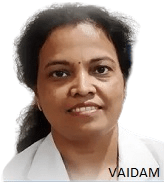
Dr. Dharitri Samantaray
Senior Consultant
OphthalmologistBharti Eye Hospital, New Delhi










Top Hospitals in India
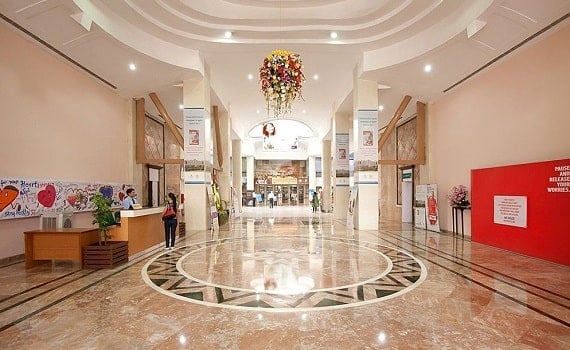
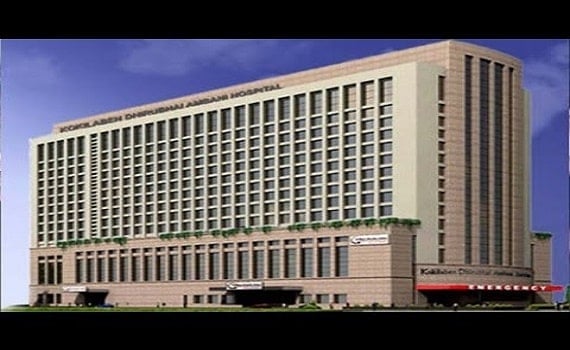
Recommended Hospitals for Hyperopia (Farsightedness) Treatment
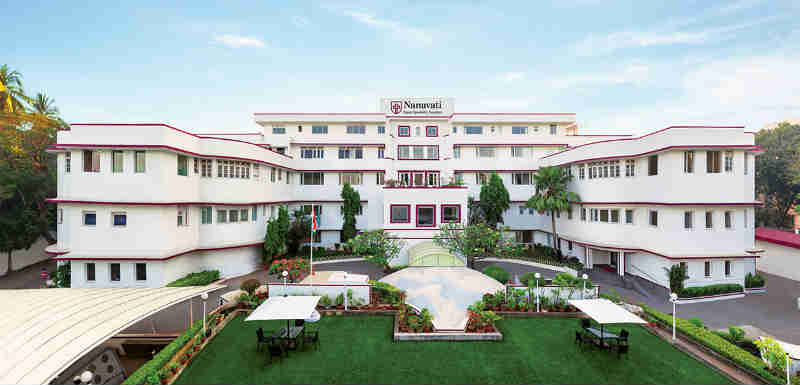
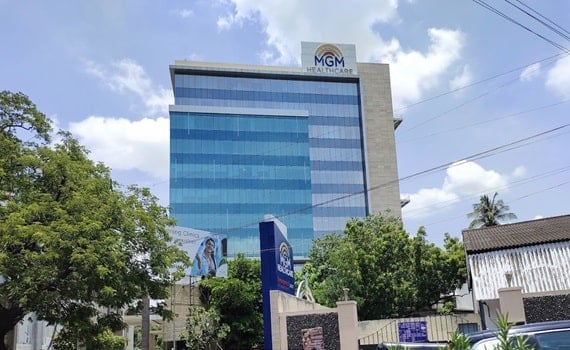
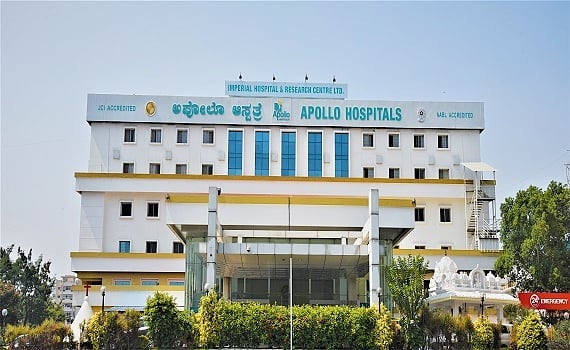
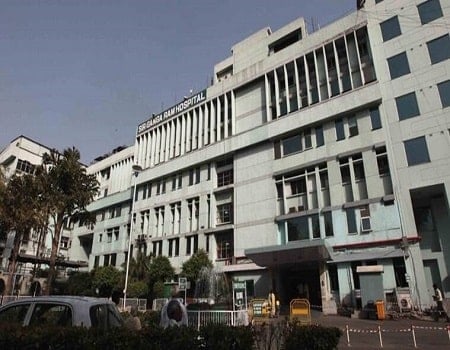
Frequently Asked Questions Related to Hyperopia (Farsightedness) Treatment Cost in India
Laser or lens replacement surgery can correct it for many adults, but suitability varies and age-related changes can still affect near vision later.
It depends on the degree of hyperopia, age and eye measurements. Laser surgery suits some lower prescriptions; lens replacement is often preferred for higher prescriptions or older adults.
For suitable candidates it is generally safe, but results for higher hyperopia are less predictable than for myopia.
Mild hyperopia is common in young children and often lessens with growth. Significant hyperopia needs glasses to prevent lazy eye or squint.
Blurred close vision, tired eyes after reading or screen use, and headaches.
No. Presbyopia is age-related stiffening of the lens; hyperopia is a focusing error related to the eye's shape.
Hyperopia (Farsightedness) treatment in India typically ranges from $500 to $6,000 USD, depending on the hospital, city, and type of procedure.
Prices for laser and lens surgery are usually quoted per eye.
Both laser and lens surgery are done under local anaesthetic drops, so you should not feel pain during the procedure.
Possibly, especially after age 40, depending on the procedure and lens chosen.
Usually a few days for laser surgery and about a week for lens replacement, including follow-up checks.
 Chat