

What Is the Cost of Hyperopia (Farsightedness) Treatment in Germany?
The cost of Hyperopia (Farsightedness) treatment in Germany typically ranges from $2,500 to $22,000 USD, depending on the hospital, city, and type of procedure.
Hyperopia (long-sightedness) makes nearby objects hard to focus on. It is usually corrected with glasses or contact lenses. In Germany, the total depends on:
- Eye tests: sometimes with drops in children.
- Glasses or contact lenses: the usual correction.
- Laser surgery: to reshape the cornea.
- Lens replacement surgery: with an artificial lens implant.
Glasses and contact lenses cost far less than this range, which mainly reflects surgery.
Long-Sightedness: Causes and Symptoms
The NHS explains that long-sightedness happens when the eye or cornea is a slightly different shape, or the lens is stiffer. It can cause tired eyes and headaches, and it runs in families.
Presbyopia is a different, age-related stiffening of the lens that makes reading harder. In young children, long-sightedness can lead to a lazy eye or squint, so eye tests with drops are used.
Our Services for Hyperopia (Farsightedness) Treatment in Germany
Transparent, professional support—without the hassles.
Book Doctor Appointment
Choose a specialist and schedule a convenient consultation.
Video or In-person Consultation
Consult remotely or meet your doctor directly at the hospital.
Compare Cost Estimates
Review transparent estimates from suitable hospitals.
Hospitalisation Support
Get coordinated assistance throughout your hospital stay.
 WhatsApp Us
Correcting Long-Sightedness
Glasses or contact lenses usually correct long-sightedness well.
Laser surgery reshapes the cornea, and lens replacement surgery fits an artificial lens. The NHS notes both are done while awake under local anaesthetic.
Long-Sightedness Surgery in Germany
Laser and lens surgery are usually day procedures after a suitability assessment. International patients should allow time for the assessment and a follow-up check before flying home. International patients are usually treated in Germany as self-paying patients: the hospital reviews the medical reports, sends a cost estimate and asks for an advance payment before admission, then settles the final bill after discharge.
Top Doctors in Germany
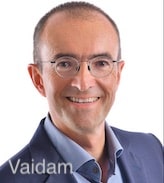
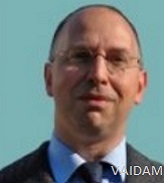
Recommended Doctors for Hyperopia (Farsightedness) Treatment

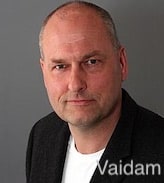

Prof. Dr. Med. Manfred Tetz
Senior Consultant
OphthalmologistMeoclinic Hospital, Berlin


Top Hospitals in Germany
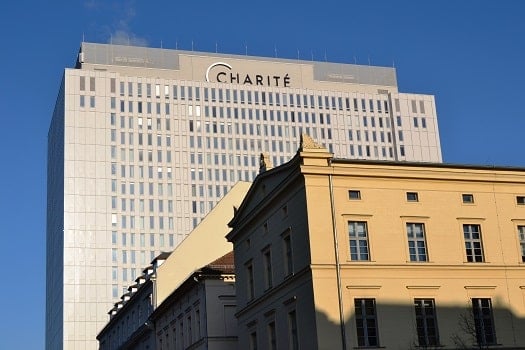
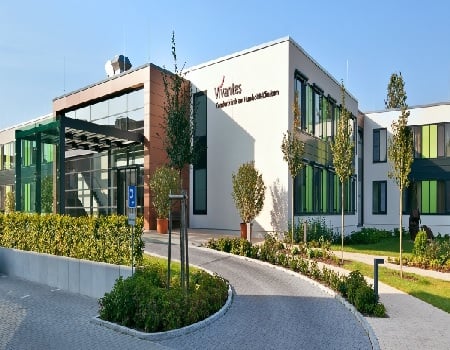
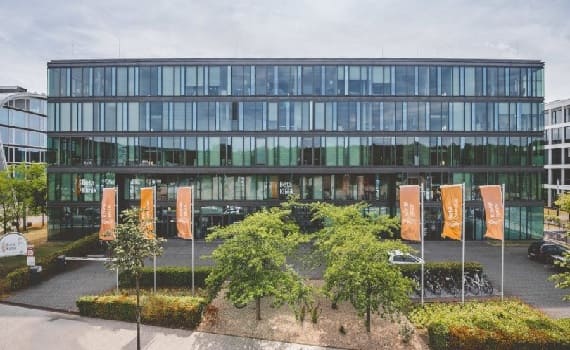
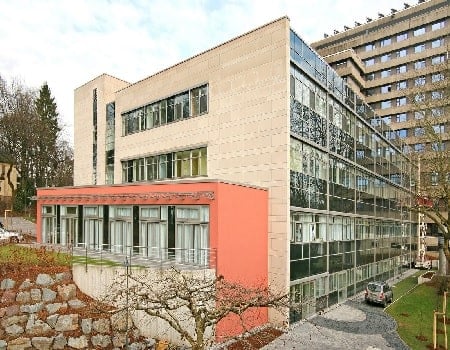
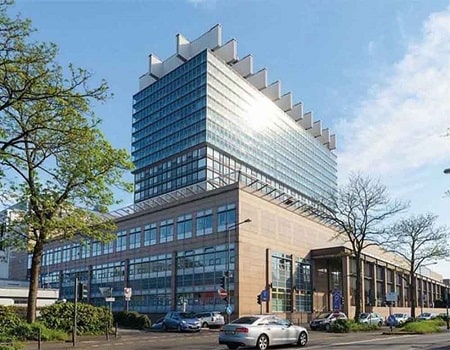
Recommended Hospitals for Hyperopia (Farsightedness) Treatment





Frequently Asked Questions Related to Hyperopia (Farsightedness) Treatment Cost in Germany
Long-sightedness, or hyperopia, makes nearby objects hard to focus on. Distant objects may be clearer.
It happens when the eye or cornea is shaped slightly differently or the lens is stiffer. It often runs in families.
Tired eyes, headaches and difficulty focusing on close objects are common. Symptoms may be worse after reading.
No, presbyopia is an age-related stiffening of the lens that makes reading harder. Long-sightedness can occur at any age.
Yes, in young children long-sightedness can lead to a lazy eye or squint. Eye tests using drops to relax focusing help find it.
Glasses or contact lenses usually correct long-sightedness well and are the usual treatment. Surgery is an option for some adults.
The cost of Hyperopia (Farsightedness) treatment in Germany typically ranges from $2,500 to $22,000 USD, depending on the hospital, city, and type of procedure.
Laser surgery reshapes the cornea so light focuses correctly on the retina. It is not suitable for everyone.
Lens replacement surgery removes the eye's natural lens and fits an artificial one. The NHS notes it is done while awake under local anaesthetic.
Ask what the suitability assessment includes, which lens is planned and when it is safe to fly. A follow-up check is usually needed before travelling.
 Chat