

What Is the Cost of Glioblastoma Treatment in India?
Glioblastoma treatment in India typically ranges from $500 to $6,000 USD, depending on the hospital, city, and type of procedure.
Glioblastoma (GBM) is the most aggressive type of glioma, and treatment is a sequence of steps rather than one procedure. The total depends on which of these are included:
- Surgery: maximal safe removal, or a biopsy if the tumour is deep.
- Radiotherapy: usually about six weeks of daily treatment.
- Temozolomide chemotherapy: given during radiotherapy and then for several months afterwards.
- Monitoring and supportive care: regular MRI scans, steroids and anti-seizure medicines.
The range above may not cover the full surgery-plus-radiotherapy-plus-chemotherapy pathway. Ask each hospital which steps its quote includes.
The Standard Treatment Pathway for Glioblastoma
The NCI describes the usual treatment for newly diagnosed glioblastoma as surgery followed by radiotherapy with temozolomide chemotherapy, then further temozolomide. In practice:
- Step 1: surgery: removes as much tumour as is safe and confirms the diagnosis.
- Step 2: chemoradiation: begins a few weeks after surgery, once the wound has healed.
- Step 3: maintenance temozolomide: tablets taken for several days each month over a number of months.
- Clinical trials: are an option at every stage, and NCI encourages patients to ask about them.
Our Services for Glioblastoma Treatment in India
Transparent, professional support—without the hassles.
Book Doctor Appointment
Choose a specialist and schedule a convenient consultation.
Video or In-person Consultation
Consult remotely or meet your doctor directly at the hospital.
Compare Cost Estimates
Review transparent estimates from suitable hospitals.
Hospitalisation Support
Get coordinated assistance throughout your hospital stay.
 WhatsApp Us
Molecular Tests That Shape Glioblastoma Treatment
Modern brain tumour diagnosis combines microscope findings with genetic markers. Two are especially relevant for glioblastoma:
- IDH status: under the current WHO classification, glioblastoma is an IDH-wildtype tumour; IDH-mutant tumours are classified separately and behave differently.
- MGMT promoter methylation: tumours with a methylated MGMT promoter tend to respond better to temozolomide.
Ask whether these tests will be done and whether the results are included in the quote.
Planning Glioblastoma Care From Abroad
Because treatment runs for months, families often split it between India and home.
- Surgery and recovery: about two to three weeks in India.
- Radiotherapy: around six weeks; this can be done in India or at home if the plan is shared.
- Chemotherapy: temozolomide is an oral medicine and is often continued at home with local blood tests.
- Palliative and supportive care: should be part of the plan from the start, not only at the end.
Top Doctors in India
Recommended Doctors for Glioblastoma Treatment















Top Hospitals in India
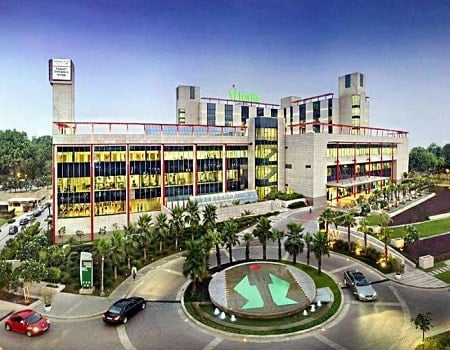
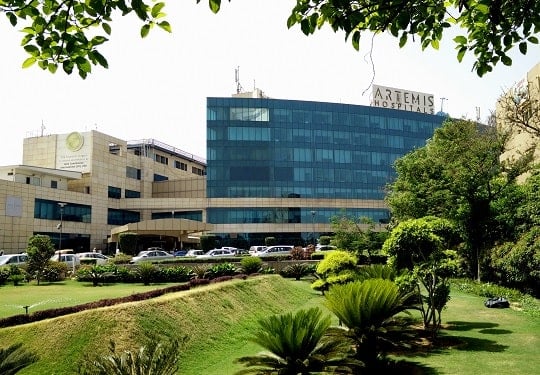
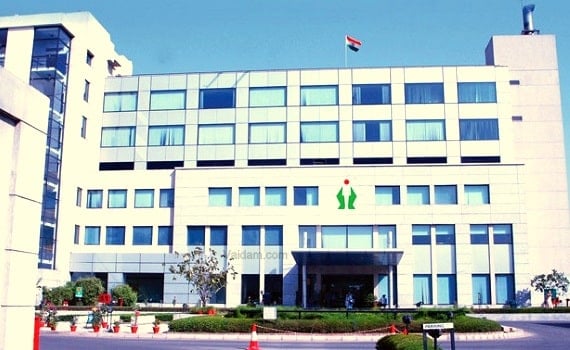
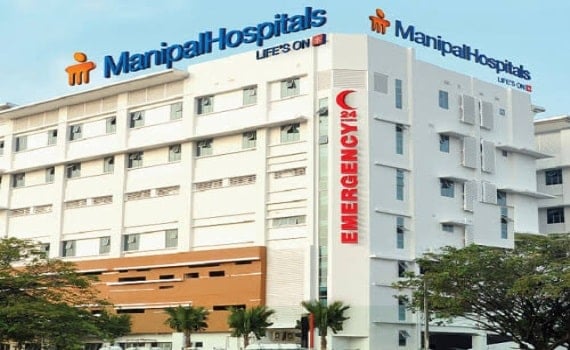
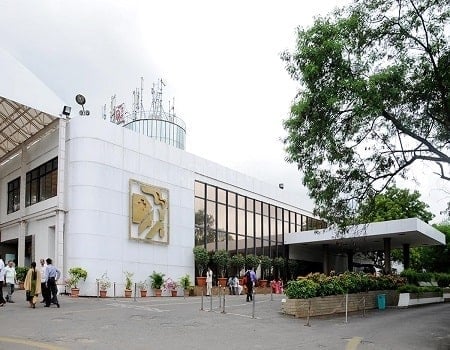
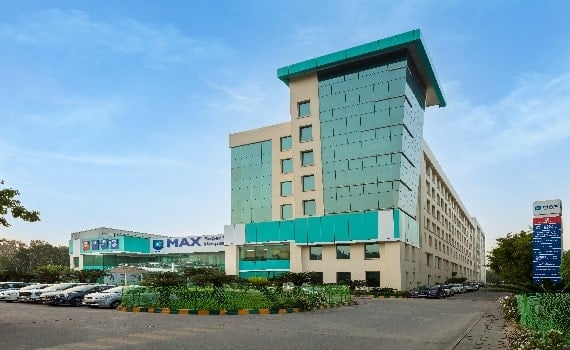
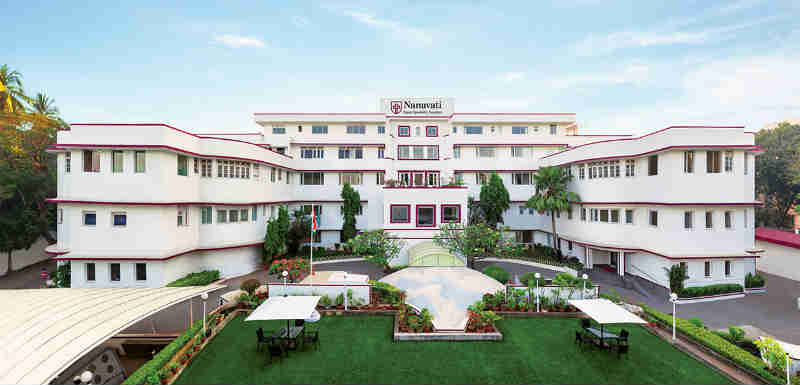
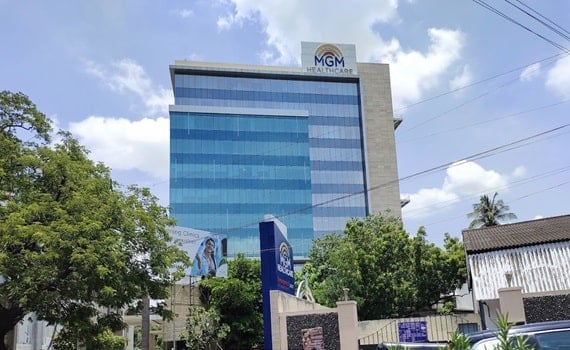
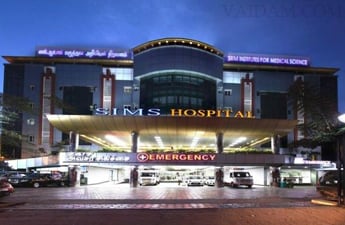
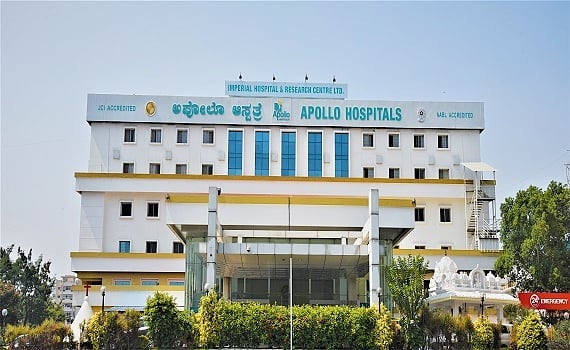
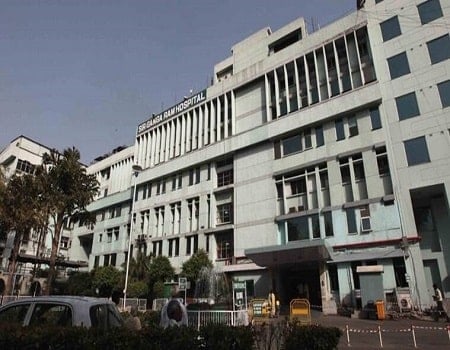
Recommended Hospitals for Glioblastoma Treatment
Frequently Asked Questions Related to Glioblastoma Treatment Cost in India
A fast-growing grade 4 brain tumour arising from glial (supporting) cells. It spreads into surrounding brain tissue, which makes complete removal impossible.
It is rarely curable. Treatment aims to control the tumour, extend life and preserve quality of life for as long as possible.
An oral chemotherapy drug used with radiotherapy and then on its own after radiotherapy in glioblastoma.
A change in the tumour's DNA that switches off a repair gene. Tumours with MGMT methylation generally respond better to temozolomide.
Headaches, seizures, personality or memory changes, weakness on one side, speech difficulties and vision problems, often developing over weeks.
No. Deep tumours or those in critical areas may only be biopsied, with treatment continuing with radiotherapy and chemotherapy.
Glioblastoma treatment in India typically ranges from $500 to $6,000 USD, depending on the hospital, city, and type of procedure.
Confirm whether radiotherapy and chemotherapy are included in any quote.
Options include repeat surgery, re-irradiation, other drugs such as bevacizumab, or clinical trials, depending on the person's condition.
Usually about six weeks of daily weekday treatment; shorter courses are used for some older or frailer patients.
Yes. Regular MRI scans check for response and recurrence during and after treatment.
 Chat