

Our Services for Glaucoma in Germany
Transparent, professional support—without the hassles.
Book Doctor Appointment
Choose a specialist and schedule a convenient consultation.
Video or In-person Consultation
Consult remotely or meet your doctor directly at the hospital.
Compare Cost Estimates
Review transparent estimates from suitable hospitals.
Hospitalisation Support
Get coordinated assistance throughout your hospital stay.
 WhatsApp Us
Top Doctors in Germany
Recommended Doctors for Glaucoma



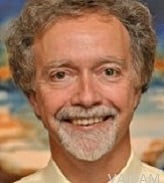
Prof. Dr. Med. Manfred Tetz
Senior Consultant
OphthalmologistMeoclinic Hospital, Berlin




Top Hospitals in Germany
Recommended Hospitals for Glaucoma














Everything You Need to Know About Glaucoma: Q&A
Before the Procedure · 13 Questions
While there are no known ways of preventing glaucoma, blindness or significant vision loss from glaucoma can be prevented if the disease is recognized in the early stages.
Primary open angle glaucoma generally affects both eyes but does not always develop at the same time.
The most common type of glaucoma primary open-angle glaucoma is hereditary. If members of your immediate family have glaucoma you are at a much higher risk than the rest of the population.
At age 40 when the pressure inside a person's eye is too high for a particular optic nerve whatever that pressure measurement may be glaucoma will develop.
Cataracts are unlikely to be the cause of blindness not so with Glaucoma and it can cause irreversible blindness and must be treated. Glaucoma and cataracts are more prevalent in people who suffer from diabetes. Although glaucoma may be worse in one eye than the other, usually both eyes are affected.
If glaucoma medicines and laser treatment haven't helped to treat your glaucoma your doctor may recommend surgery. Surgery can't cure glaucoma or undo vision loss but it can help protect your vision and stop it from getting worse.
For the treatment of primary open-angle glaucoma (POAG), the laser beam opens the fluid channels of the eye, helping the drainage system work better. In many cases, medication will still be needed.
Glaucoma is a group of eye condition which damages the optic nerve of the eye which is essential for good vision. The damage of the eye is mainly caused due to the high pressure in the eyes. This is said to be the one of the leading cause of blindness for people of 60 years
The signs and symptoms of glaucoma vary depending on the type and stage of your conditions such as patchy blind spots in your side (peripheral) or central vision, frequently in both eyes, tunnel vision in the advanced stages, severe headache, eye pain, nausea and vomiting, blurred vision, redness in eyes.
If you notice any symptoms such as severe headache, eye pain and blurred vision then you should go to an ophthalmologist.
Glaucoma is caused due to the damage of the optic nerve, as the nerve deteriorates blind spots are seen developing in the visual field. The elevated pressure in eyes is due to building up of fluid called aqueous humor which flows throughout the inside of your eyes. The fluids normally drains out through a tissue called trabecular meshwork.
Yes, it is possible for infants and children to develop glaucoma, it may be present from birth or may develop in the first few years if life. The damage of the optic nerve is caused by drainage blockage or because of some medical condition.
Risk factors of glaucoma includes high internal pressure, family history of glaucoma, presence of medical conditions such as diabetes, heart disease high blood pressure, sickle cell anemia, eye injury, corticosteroid medication, extremely nearsighted or farsighted.
During the Procedure · 3 Questions
The only treatment option for glaucoma is to lower intraocular pressure which can be done by eye drops, lasers or by surgical intervention.
Your doctor will prescribe you an eye drop, oral medications, laser or microsurgery to reduce your eye pressure.
Laser surgery can raise the flow of fluid from your eyes if you have open angle glaucoma. Laser can also be used to stop fluid blockage if you are having angle closure glaucoma. The procedure of laser surgery includes:
- Trabeculoplasty: This procedure is done for opening the drainage area
- Iridotomy: Tiny holes are made in your iris to let fluids flow more freely
- Cyclophotocoagulation: This procedure treats the middle layer of your eye to lower the production of fluid.
- Microsurgery: In microsurgery the surgeon creates the new channel for draining out the fluid and relieving the eye pressure. This surgery may be needed to be done more than once, a tube may be implanted for draining the fluid. It can result in temporary or permanent vision loss along with bleeding or infection.
Post the Procedure · 6 Questions
The majority of people diagnosed with glaucoma today, will retain useful sight for life. If prescribed eye drops it is vital that these are used as prescribed eye drops are for life and not just for a short course of treatment.
To prevent eye drops from leaking into your nose and throat, gently apply pressure to the inner corner of your eye. Keep your eyes shut for about one to three minutes.
Some people with advanced glaucoma can still get their license renewed but with restrictions.
You need to take special care of yourself after glaucoma surgery, it s important for you to choose the experienced and exceptional specialist. You should wear sunglasses or protective lenses when going out in sunlight.
If you have a family history of glaucoma, your eye specialist may recommend that you check your eyes more frequently.
You can prevent glaucoma by regular exercises, taking eye drops, wearing eye protection.
 Chat
Chat