

What Is the Cost of Fracture Reduction and Fixation in India?
The cost of fracture reduction and fixation in India typically ranges from $500 to $6,000 USD, depending on the hospital, city, and type of procedure.
Fracture reduction means putting the broken pieces of bone back into line. Fixation means holding them there while they heal, using metal implants or an external frame. The cost depends on:
- Which bone is broken: and how complex the fracture is.
- Open or closed reduction: whether the fracture site needs to be opened surgically.
- Implants: plates, screws, rods or wires.
- Hospital stay and rehabilitation: physiotherapy after the bone heals.
Fracture treatment varies greatly by injury. Ask for a quote based on the specific fracture and implant.
How Fractures Are Fixed
The American Academy of Orthopaedic Surgeons (AAOS) explains that internal fixation holds bone fragments in alignment from inside the body. Implants include:
- Plates: act as internal splints, attached with screws.
- Screws: the most common implant, used alone or with plates or rods.
- Rods or nails: passed down the hollow centre of long bones, such as the thigh bone.
- Wires or pins: used for small bones, often removed later.
Before the implants are placed, the bone fragments are repositioned into their normal alignment.
Our Services for Fracture reduction and fixation in India
Transparent, professional support—without the hassles.
Book Doctor Appointment
Choose a specialist and schedule a convenient consultation.
Video or In-person Consultation
Consult remotely or meet your doctor directly at the hospital.
Compare Cost Estimates
Review transparent estimates from suitable hospitals.
Hospitalisation Support
Get coordinated assistance throughout your hospital stay.
 WhatsApp Us
Benefits of Surgical Fixation
The AAOS notes that internal fixation can mean shorter hospital stays, an earlier return to function, and may reduce the number of fractures that heal poorly or in the wrong position. It is used for fractures that need precise alignment or stability, such as many long-bone fractures and fractures into a joint.
Some fractures can be treated without surgery, with a cast or splint, if the bones are in a good position or can be put back without opening the skin.
Risks and Healing
Healing time depends on the bone, the type of fracture and your general health. The AAOS lists possible complications:
- Infection: reduced but not eliminated by sterile technique.
- Non-union or malunion: the bone does not heal, or heals out of position.
- Implant problems: breakage or deformation of the metalwork.
- Allergic reaction: rarely, to nickel in some implants.
Plates and screws may stay in or be removed after healing, while wires and pins are usually removed.
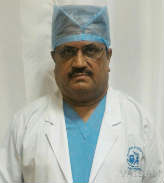
Top Doctors in India
Recommended Doctors for Fracture reduction and fixation














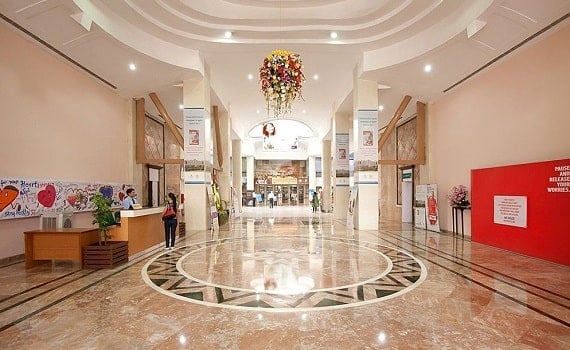
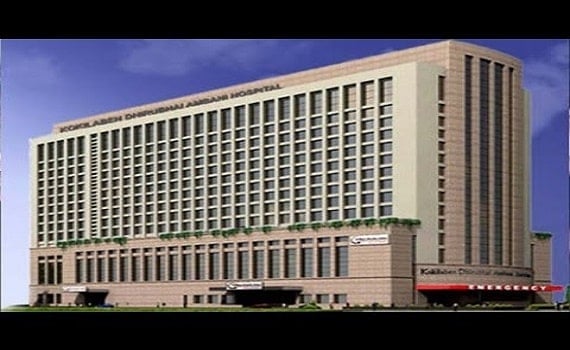
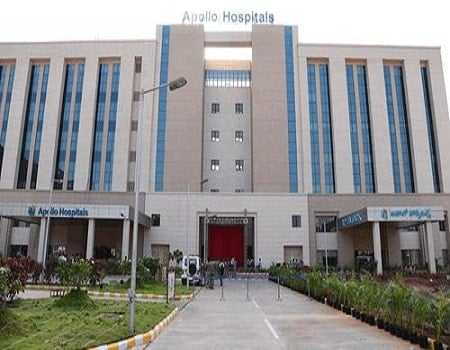
Top Hospitals in India
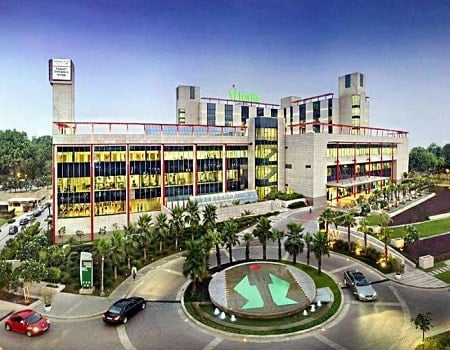
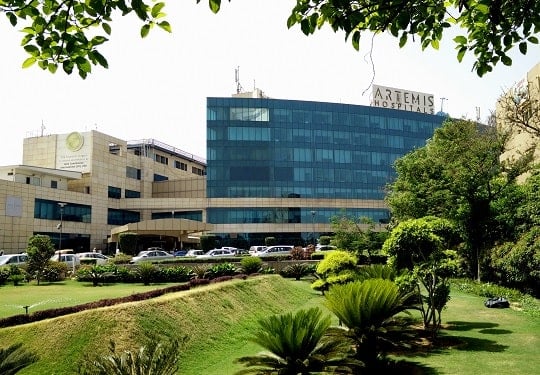
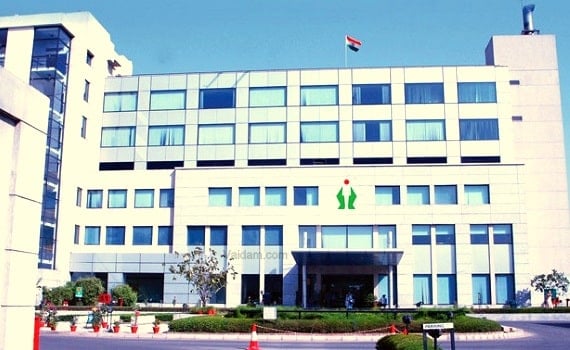
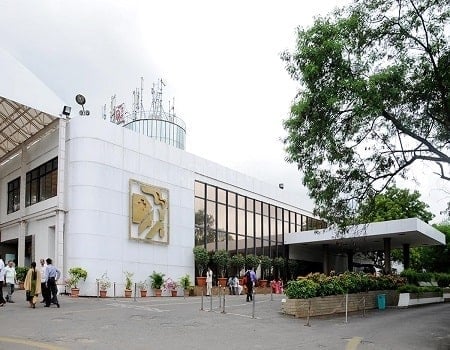
Recommended Hospitals for Fracture reduction and fixation



Frequently Asked Questions Related to Fracture reduction and fixation Cost in India
Reduction means realigning the broken bone, and fixation means holding it still while it heals. Fixation can use plates, screws, rods, wires or an external frame.
No. Many fractures heal well in a cast or splint. Surgery is used when a fracture needs precise alignment or stability that a cast cannot provide.
Internal fixation places metal implants inside the body, under the skin. External fixation uses pins connected to a frame outside the body, often used temporarily for severe injuries.
The AAOS lists infection, poor healing, healing in the wrong position and implant problems as possible complications. Your surgeon will explain risks for your specific fracture.
It depends on the bone, the fracture pattern and your health. Larger bones such as the thigh bone generally take longer than small bones in the hand.
Not always. Plates, screws and rods often stay in place, while wires and pins are usually removed once healing is underway.
The cost of fracture reduction and fixation in India typically ranges from $500 to $6,000 USD, depending on the hospital, city, and type of procedure.
No. Bone healing takes weeks to months. Fixation holds the bone stable so you can often start moving sooner, but the bone itself still needs time to heal.
Most people benefit from physiotherapy to restore strength and movement. The amount needed depends on the bone and how long it was immobilised.
Rarely. The AAOS notes that some implant metals contain nickel, which may cause reactions in people with a nickel allergy.
 Chat