

Cost of Fallopian Tube Cancer Treatment in Oman
Fallopian tube cancer develops in the fallopian tubes that connect the ovaries with the uterus. This rare gynecological cancer may lead to ovarian cancer. Women having BRCA gene mutations are more at risk. It accounts for only 1-2% of all gynecologic cancers.
Treatment usually involves surgery, followed by chemotherapy.
Surgery, typically the first step, involves the removal of the uterus, cervix, fallopian tubes, and ovaries, a procedure called a total abdominal hysterectomy. If cancer spreads beyond the fallopian tubes, the surgeon removes as much tumor as possible.
Chemotherapy uses drugs to kill cancer cells present throughout the body.
Our Services for Fallopian Tube Cancer Treatment in Oman
Transparent, professional support—without the hassles.
Book Doctor Appointment
Choose a specialist and schedule a convenient consultation.
Video or In-person Consultation
Consult remotely or meet your doctor directly at the hospital.
Compare Cost Estimates
Review transparent estimates from suitable hospitals.
Hospitalisation Support
Get coordinated assistance throughout your hospital stay.
 WhatsApp Us
Top Doctors in Oman
Recommended Doctors for Fallopian Tube Cancer Treatment

Top Hospitals in Oman
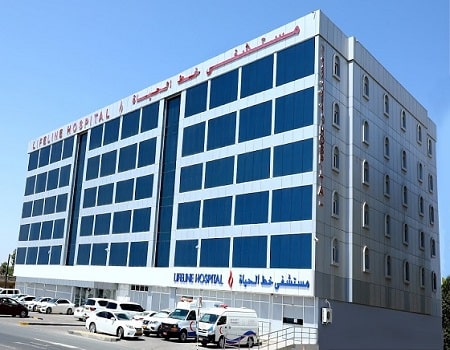
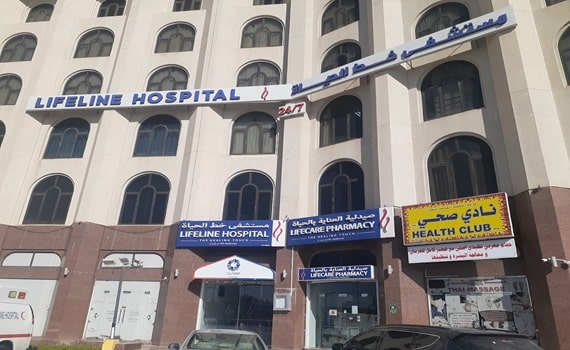
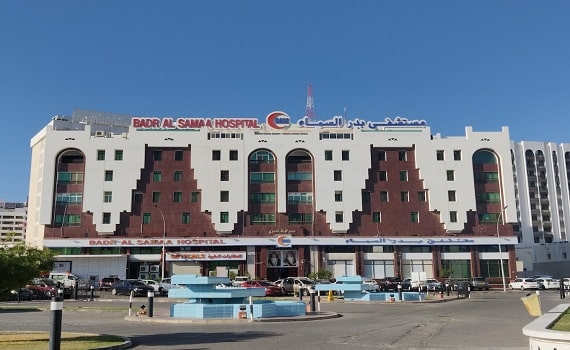
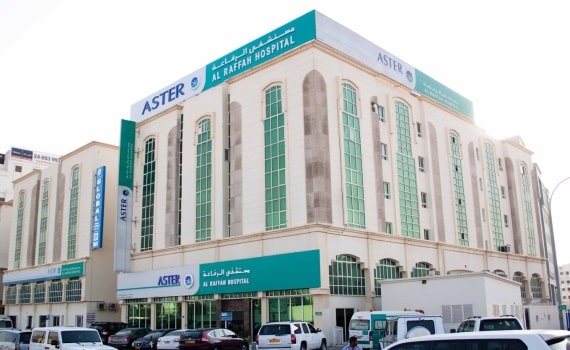
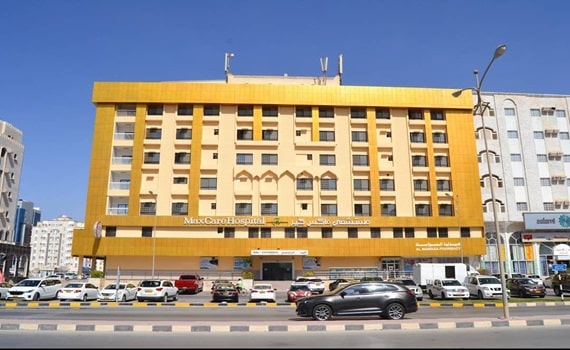
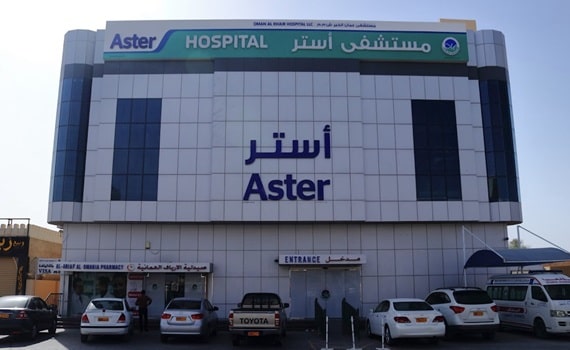
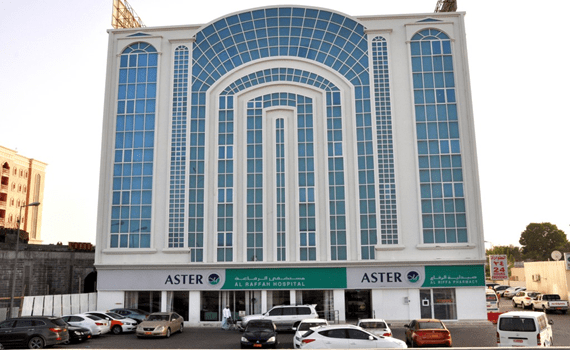
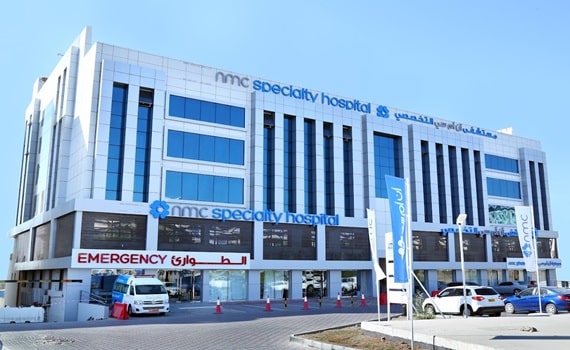
Recommended Hospitals for Fallopian Tube Cancer Treatment



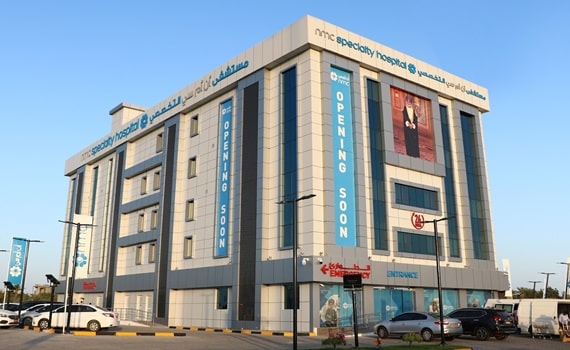
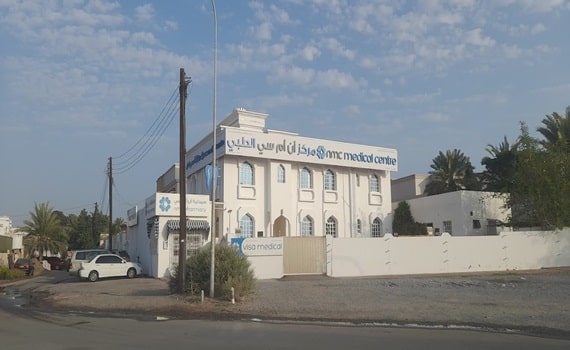
Inclusions in the package
The cost of Fallopian Tube includes:
-
Preoperative diagnostic tests cost may include [Blood Tests (CA- 125), Pelvic exams, etc.]
-
Surgery cost (Depends upon the type and size of the tumour and the extent to which the tumour has spread)
-
Types of surgery (Hysterectomy, Unilateral salpingo-oophorectomy, Bilateral salpingo-oophorectomy)
-
Post-Operative cost (there might be a need for Chemotherapy or Radiotherapy before or post-surgery)
-
Medicines
-
Patient's hospital stay
Note - The patient will be required to visit the surgeon a week after the surgery to assess and remove any staples or stitches.
Factors affecting cost of Fallopian Tube Cancer Treatment
The overall cost of the procedure also varies based on the patient's condition and preferences. Some of these factors are:
-
Type of hospital and room opted (General, Twin sharing, or single room)
-
The stage and type of cancer
-
Patients may require repeated investigation through PET CT and related tests Post-surgery / Chemotherapy / Radiation Therapy
-
Any additional tests may be required
-
An extended stay at the Hospital (Generally, the stay is around 3-4 days)
-
Cost of accommodation during follow-ups, in case the patient is not a local resident [may take longer duration in case of chemotherapy or radiotherapy sessions]
Success Rate
The overall five-year relative survival rate is 57%.
 Chat
Chat