

What Is the Cost of Fallopian Tube Cancer Treatment in India?
Fallopian Tube Cancer treatment in India typically ranges from $3,000 to $15,000 USD, depending on the hospital, city, and type of procedure.
Fallopian tube cancer is treated in the same way as ovarian and primary peritoneal cancer, so the cost structure is the same: one major operation plus a course of chemotherapy, with optional maintenance tablets.
- Surgery: staging or debulking surgery (removal of the uterus, both tubes and ovaries, the omentum and any visible tumour). Its length grows with the amount of disease.
- Chemotherapy: usually six cycles of carboplatin and paclitaxel, billed per cycle.
- Maintenance: PARP inhibitors or bevacizumab for selected patients can continue for months and are rarely included in a surgical package.
Ask for surgery and each chemotherapy cycle to be priced separately so you can compare hospitals.
How Fallopian Tube Cancer Relates to Ovarian Cancer
Research over the past two decades shows that many high-grade serous cancers once labelled ovarian actually start in the end of the fallopian tube. NCI groups ovarian epithelial, fallopian tube and primary peritoneal cancer together because they form in the same tissue and are treated the same way. In practice:
- Staging is shared: the FIGO system covers ovary, tube and peritoneum together.
- Genetic testing matters: BRCA1/2 and other inherited mutations are common, guide maintenance therapy and affect relatives' cancer risk.
- Diagnosis is often made at surgery: the final site of origin may only be clear after the pathologist examines the removed organs.
Our Services for Fallopian Tube Cancer Treatment in India
Transparent, professional support—without the hassles.
Book Doctor Appointment
Choose a specialist and schedule a convenient consultation.
Video or In-person Consultation
Consult remotely or meet your doctor directly at the hospital.
Compare Cost Estimates
Review transparent estimates from suitable hospitals.
Hospitalisation Support
Get coordinated assistance throughout your hospital stay.
 WhatsApp Us
Symptoms and Tests
Early disease is usually silent. When symptoms appear they are often vague and abdominal rather than the classical 'watery discharge and pain' described in older textbooks, which only a minority of women have.
- Common symptoms: bloating, pelvic or abdominal pain, feeling full quickly, needing to pass urine more often.
- Tests: transvaginal ultrasound, CA-125, CT of chest, abdomen and pelvis, and biopsy or surgery for diagnosis.
- Germline testing: recommended for every woman diagnosed with high-grade serous cancer.
Planning Treatment in India
If surgery comes first, plan for a stay of about one week in hospital and two to three weeks in India before travelling. If chemotherapy is given first (neoadjuvant), three cycles are followed by surgery and then three more.
- Chemotherapy schedule: one cycle every three weeks; some patients complete cycles at home after surgery in India.
- Maintenance: oral PARP inhibitors can be continued in your home country if available there.
- Follow-up: examination and CA-125 every three to four months at first.
Indian hospitals commonly advertise savings of 60% to 80% compared with the United States, UK, or private Middle Eastern centers. Treat that as a general comparison rather than a verified figure for this treatment, and compare itemised written quotes.
Top Doctors in India
Recommended Doctors for Fallopian Tube Cancer Treatment















Top Hospitals in India
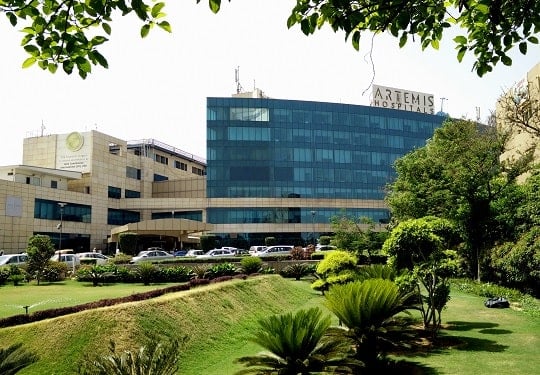
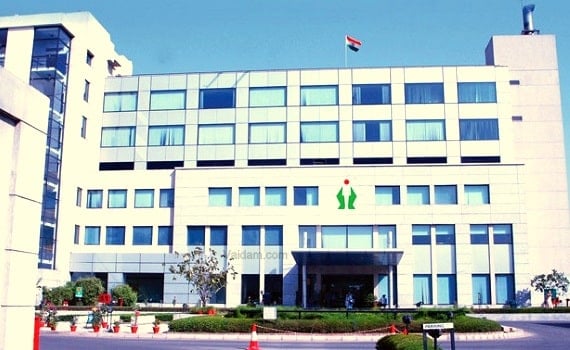
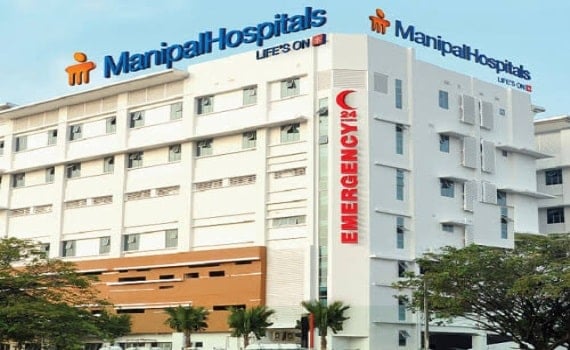
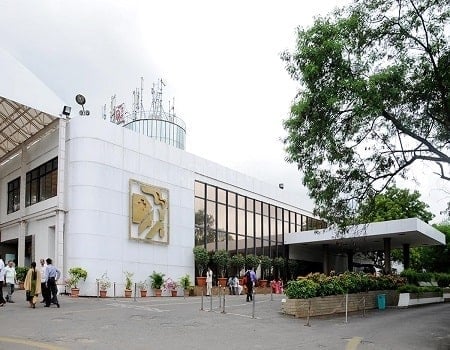
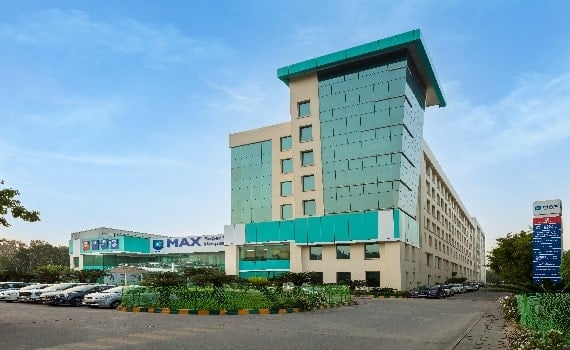
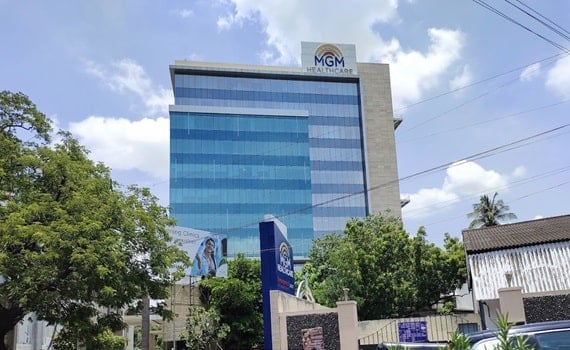
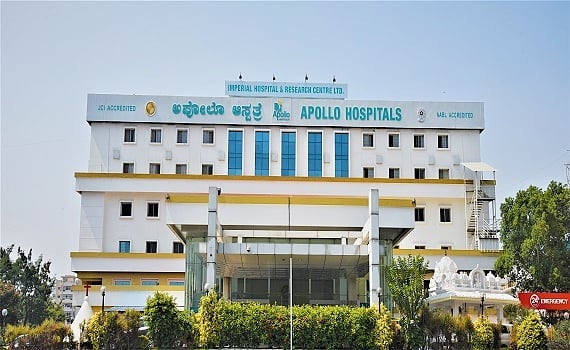
Recommended Hospitals for Fallopian Tube Cancer Treatment


Frequently Asked Questions Related to Fallopian Tube Cancer Treatment Cost in India
Early-stage fallopian tube cancer is often curable with surgery and chemotherapy. Most cases are found at an advanced stage, where treatment can control the disease for years but recurrence is common.
They are closely related. Many high-grade serous 'ovarian' cancers start in the fallopian tube, and both are staged and treated the same way.
Bloating, pelvic or abdominal pain, early fullness and urinary frequency. A watery or blood-stained vaginal discharge occurs in some women but is not the usual presentation.
The operation is done under general anaesthesia, and pain afterwards is controlled with epidural or patient-controlled analgesia, then tablets. Most women walk on the first day and go home within a week.
A BRCA1/2 or other inherited mutation is found in a significant share of women with high-grade serous cancer. It identifies who benefits most from PARP inhibitors and which relatives may need screening or risk-reducing surgery.
Usually six cycles given every three weeks, about four to five months in total, sometimes split around surgery.
Fallopian Tube Cancer treatment in India typically ranges from $3,000 to $15,000 USD, depending on the hospital, city, and type of procedure.
Maintenance medicines such as PARP inhibitors are normally quoted separately from surgery and chemotherapy.
Treatment given after chemotherapy works, to delay recurrence. Options include PARP inhibitors (olaparib, niraparib) and bevacizumab, chosen according to BRCA and other tumour test results.
Removing the tubes (salpingectomy) lowers the risk of high-grade serous cancer. Women with BRCA mutations are often advised risk-reducing removal of tubes and ovaries once childbearing is complete.
No. Blocked tubes are usually caused by infection, endometriosis or previous surgery and relate to fertility, not cancer. Fertility treatment for tubal blockage is a separate service.
 Chat