

Extensor Mechanism Realignment Cost in New Delhi
The cost of extensor mechanism realignment in New Delhi typically ranges from $620 to $6,000 USD (about ₹58,800 to ₹5.69 lakh), depending on the hospital, room category and type of procedure.
A typical estimate for extensor mechanism realignment in New Delhi is around $2,000 (about ₹1.90 lakh). What you pay depends mainly on your own case. If a standard implant is used and you stay in a shared room, your bill is likely to be closer to $620 (about ₹58,800). It is likely to be nearer $6,000 (about ₹5.69 lakh) if a specialised implant is used, both sides are treated, it is a repeat operation or you choose a private room.
When comparing New Delhi packages for extensor mechanism realignment, check whether each quote includes:
- Surgeon and anaesthetist fees
- Operating theatre or procedure room
- Implants, plates or screws
- Physiotherapy
- Hospital stay and room category
- Medicines and consumables
- Follow-up visits before you fly home
Procedure & Recovery Overview for Extensor Mechanism Realignment in New Delhi
Extensor mechanism realignment is knee surgery that corrects how the kneecap tracks, for kneecap instability or pain from poor tracking, using one or more procedures on ligaments, tendons or bone.
Realignment is considered when the kneecap keeps slipping out of place or tracks poorly, with contributing factors including a high-riding kneecap (patella alta), a shallow groove and the alignment of the bones.
Procedures include MPFL reconstruction, which replaces a torn ligament with a tendon graft, tibial tubercle osteotomy, which moves the bony attachment of the kneecap tendon, and release of tight tissues.
After tibial tubercle osteotomy, Frimley Health NHS Foundation Trust advises a brace locked straight for walking for up to six weeks and at least six weeks off work.
Risks include infection, stiffness, blood clots and continuing pain or instability.
Fit-to-fly window: no single aviation figure covers bone and joint surgery, but leg operations raise clot risk on long flights, so ask about clot prevention; UK Civil Aviation Authority guidance for health professionals advises 24 to 48 hours after a plaster cast.
Our Services for Extensor mechanism realignment in New Delhi
Transparent, professional support—without the hassles.
Book Doctor Appointment
Choose a specialist and schedule a convenient consultation.
Video or In-person Consultation
Consult remotely or meet your doctor directly at the hospital.
Compare Cost Estimates
Review transparent estimates from suitable hospitals.
Hospitalisation Support
Get coordinated assistance throughout your hospital stay.
 WhatsApp Us
What Determines the Cost of Extensor Mechanism Realignment in New Delhi
A Delhi estimate for extensor mechanism realignment is usually built from these parts:
- Tests before surgery: X-rays, scans and fitness checks.
- Operating theatre and anaesthesia: billed largely by time in theatre.
- Procedures: MPFL, osteotomy or release.
- Implants: screws or graft fixation.
- Brace: for up to six weeks.
- Physiotherapy: for months.
Ask each Delhi hospital for an itemised quote showing any implant, surgeon, theatre, stay and physiotherapy, so offers can be compared fairly.
Infrastructure & Quality Highlights for Extensor Mechanism Realignment in New Delhi
Delhi NCR has a wide base of orthopaedic departments covering joint replacement, arthroscopy and trauma, usually with physiotherapy on site for early mobilisation.
India's national hospital standard is set by the National Accreditation Board for Hospitals & Healthcare Providers (NABH), a constituent board of the Quality Council of India whose standards are accredited by ISQua; you can check a Delhi hospital's current NABH status on the NABH website.
Delhi has a long record with international accreditation: India's first hospital to receive Joint Commission International (JCI) accreditation, in July 2005, is in New Delhi, and JCI keeps a public list of accredited organisations.
International patients usually arrive at Indira Gandhi International Airport in south-west Delhi; allow for road travel time, as hospitals are spread across Delhi and the neighbouring NCR cities.
Top Doctors in New Delhi
Recommended Doctors for Extensor mechanism realignment















Top Hospitals in New Delhi
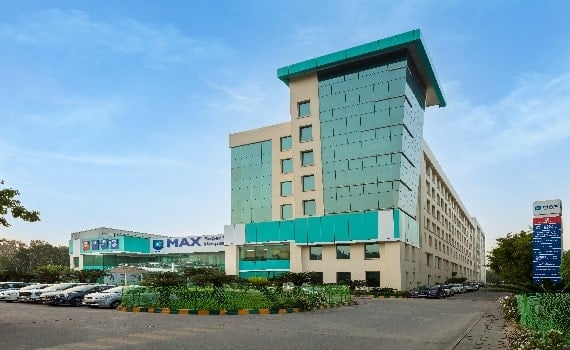
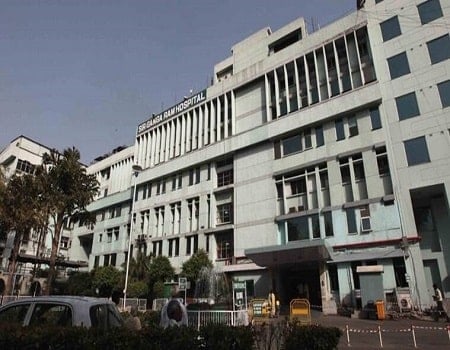
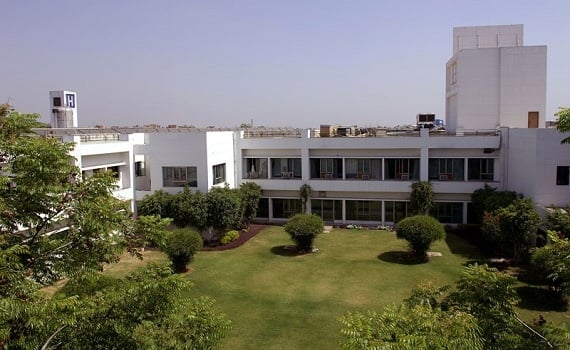
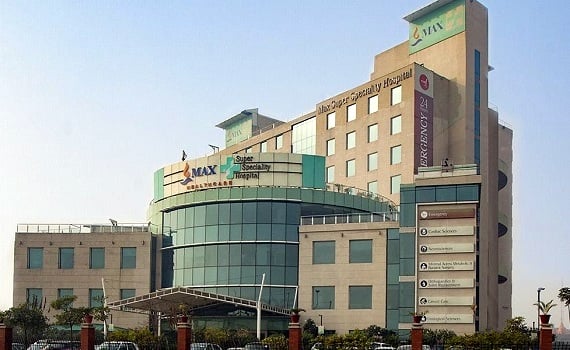
Recommended Hospitals for Extensor mechanism realignment









Frequently Asked Questions Related to Extensor mechanism realignment Cost in New Delhi
It corrects how the kneecap tracks, for instability or pain from poor tracking, often combining several procedures.
It may be needed when the kneecap keeps slipping out of place, often linked to a high-riding kneecap or shallow groove.
It replaces a torn ligament that holds the kneecap in place with a tendon graft, often alongside other procedures.
It moves the bony attachment of the kneecap tendon on the shin bone to improve how the kneecap tracks.
After tibial tubercle osteotomy, Frimley Health advises a brace locked straight for up to six weeks.
Risks include infection, stiffness, blood clots and continuing pain or instability, as the surgeon explains.
The cost of extensor mechanism realignment in New Delhi typically ranges from $620 to $6,000 USD (about ₹58,800 to ₹5.69 lakh), depending on the hospital, room category and type of procedure.
Plan for about two weeks for a wound check, brace fitting and early physiotherapy before a long flight home.
Long flights raise the risk of blood clots after surgery, so ask the Delhi surgeon about timing, moving regularly on the flight and any blood-thinning injections.
Check the surgeon on the National Medical Commission's Indian Medical Register and ask how often they perform kneecap realignment.
 Chat