

What Is the Cost of Diabetic Retinopathy Treatment in Germany?
The cost of Diabetic Retinopathy treatment in Germany typically ranges from $2,500 to $22,000 USD, depending on the hospital, city, and type of procedure.
Diabetic retinopathy is damage to the retina, the light-sensitive layer at the back of the eye, caused by high blood sugar. Treatment aims to stop sight loss getting worse. In Germany, the total depends on:
- Stage of retinopathy: early stages usually need monitoring only.
- Laser treatment: for advanced (proliferative) retinopathy.
- Eye injections: regular anti-VEGF medicine or a steroid implant.
- Eye surgery: to remove scar tissue or blood.
Monitoring costs far less than this range, while repeated injections and surgery cost more.
Managing Diabetic Retinopathy
The NHS explains that controlling blood sugar, blood pressure and cholesterol is the basis of treatment. Early (background and pre-proliferative) retinopathy usually needs only monitoring.
Treatment aims to stop vision getting worse rather than restore sight already lost. People with diabetes aged 12 and over are offered screening every one or two years.
Our Services for Diabetic Retinopathy Treatment in Germany
Transparent, professional support—without the hassles.
Book Doctor Appointment
Choose a specialist and schedule a convenient consultation.
Video or In-person Consultation
Consult remotely or meet your doctor directly at the hospital.
Compare Cost Estimates
Review transparent estimates from suitable hospitals.
Hospitalisation Support
Get coordinated assistance throughout your hospital stay.
 WhatsApp Us
Laser, Injections and Surgery for the Eye
Laser treatment (photocoagulation) is used for proliferative retinopathy, where new fragile vessels grow. Regular injections of anti-VEGF medicine into the eye, or a steroid implant, reduce swelling at the centre of the retina.
An operation may be needed to remove scar tissue or blood from inside the eye.
Diabetic Eye Treatment in Germany
Anti-VEGF injections are usually repeated over many months, which is hard to arrange from abroad, so international patients often come to Germany for laser treatment, surgery or a specialist opinion. International patients are usually treated in Germany as self-paying patients: the hospital reviews the medical reports, sends a cost estimate and asks for an advance payment before admission, then settles the final bill after discharge.
Top Doctors in Germany
Recommended Doctors for Diabetic Retinopathy Treatment


Prof. Dr. Med. Manfred Tetz
Senior Consultant
OphthalmologistMeoclinic Hospital, Berlin




Top Hospitals in Germany
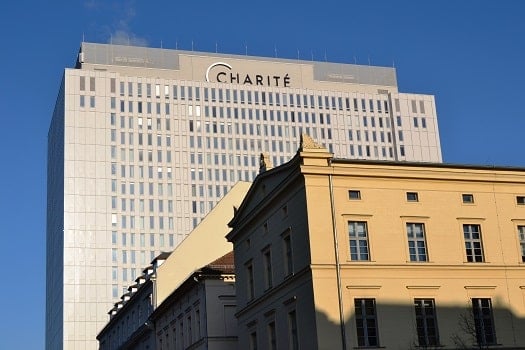
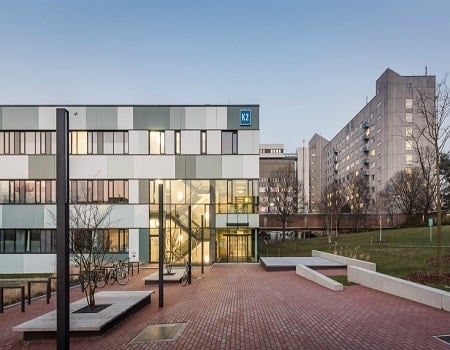
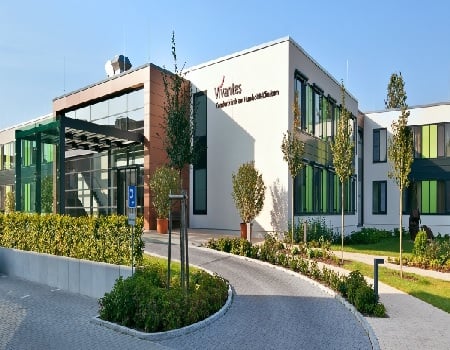
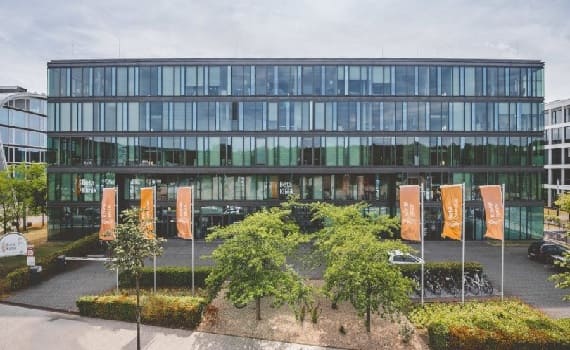
Recommended Hospitals for Diabetic Retinopathy Treatment










Frequently Asked Questions Related to Diabetic Retinopathy Treatment Cost in Germany
High blood sugar damages the small blood vessels in the retina over time. Good control of diabetes lowers the risk.
Treatment aims to stop vision getting worse rather than restore sight already lost, according to the NHS. Early treatment gives the greatest chance of protecting vision.
Early stages usually need monitoring only, along with good control of blood sugar, blood pressure and cholesterol. Treatment starts if the retinopathy progresses.
The NHS offers screening every one or two years to people with diabetes aged 12 and over. It finds changes before they affect vision.
Laser photocoagulation is used for proliferative retinopathy to stop new fragile vessels growing and bleeding. It is usually done as an outpatient.
Anti-VEGF medicines are injected into the eye to reduce swelling and the growth of abnormal vessels. They are usually given regularly over many months.
The cost of Diabetic Retinopathy treatment in Germany typically ranges from $2,500 to $22,000 USD, depending on the hospital, city, and type of procedure.
A steroid implant placed in the eye releases medicine slowly to reduce swelling at the centre of the retina. It may be used when injections are not suitable.
An operation may be needed to remove scar tissue or blood from inside the eye. It is used for advanced cases.
Usually yes, if a local eye clinic can give the same injections. The German team can provide the treatment details and schedule.
 Chat