

What Is the Cost of Musculoskeletal Deformity Correction in India?
Musculoskeletal Deformities treatment in India typically ranges from $500 to $6,000 USD, depending on the hospital, city, and type of procedure.
This page covers correction of bone deformities in the arms and legs, such as severe bow legs or knock knees, rotational problems and badly healed fractures. Spinal deformity is covered on the scoliosis page, and congenital limb absence on the congenital limb defects page. Cost depends on:
- Guided growth in children: small plates across part of the growth plate allow natural growth to straighten the leg; a short procedure, with a second small operation to remove the plates.
- Acute correction: the bone is cut and realigned in one stage and fixed with a plate or nail.
- Gradual correction: an external frame, often a computer-guided hexapod, adjusted daily over weeks; more visits and implant cost.
- Lengthening nails: used when shortening is also corrected; these implants are expensive.
When Bow Legs or Knock Knees Need Treatment
Many children's leg shapes are normal stages of development: bow legs are common in toddlers and knock knees in early childhood, and most straighten naturally. Assessment is worthwhile when:
- The deformity is one-sided or severe: or worsening after the expected age.
- There is pain, limping or frequent falls
- The child is short or has other bone problems: suggesting rickets, skeletal dysplasia or Blount disease.
- In adults: deformity after a fracture (malunion) or from arthritis.
Evaluation includes standing full-length X-rays to measure the mechanical axis, and CT for rotational problems.
Our Services for Musculoskeletal Deformities Treatment in India
Transparent, professional support—without the hassles.
Book Doctor Appointment
Choose a specialist and schedule a convenient consultation.
Video or In-person Consultation
Consult remotely or meet your doctor directly at the hospital.
Compare Cost Estimates
Review transparent estimates from suitable hospitals.
Hospitalisation Support
Get coordinated assistance throughout your hospital stay.
 WhatsApp Us
Choosing Between One-Stage and Gradual Correction
Surgeons choose the method based on the size and complexity of the deformity, the soft tissues and the patient's age:
- Small or moderate angular deformity in a growing child: guided growth is least invasive.
- Moderate deformity in adults: acute correction with internal fixation.
- Large, multi-plane or combined length problems: gradual correction with a frame reduces stretch on nerves and vessels.
- Underlying causes: such as vitamin D deficiency or metabolic bone disease must be treated as well.
Recovery Timelines by Correction Method
Recovery varies with the method. Bone takes several months to consolidate after osteotomy or frame correction.
- Guided growth: a short stay; the correction happens gradually over months to a year with regular X-rays.
- Acute correction: a few days in hospital and several weeks of protected walking.
- Frame correction: daily adjustments for several weeks near the hospital, then months in the frame; removal is a second procedure.
- Rehabilitation: physiotherapy to restore joint movement and gait.
Indian hospitals commonly advertise savings of 60% to 80% compared with the United States, UK, or private Middle Eastern centers. Treat that as a general comparison rather than a verified figure for this treatment, and compare itemised written quotes.
Top Doctors in India
Recommended Doctors for Musculoskeletal Deformities Treatment










Top Hospitals in India
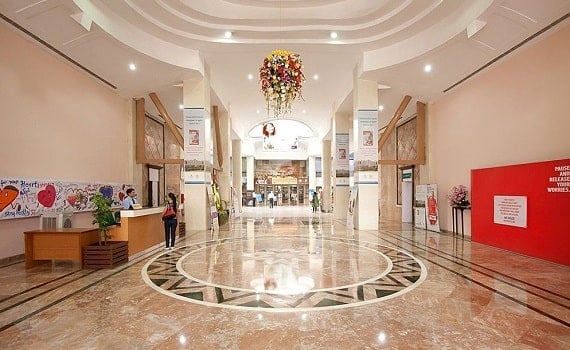
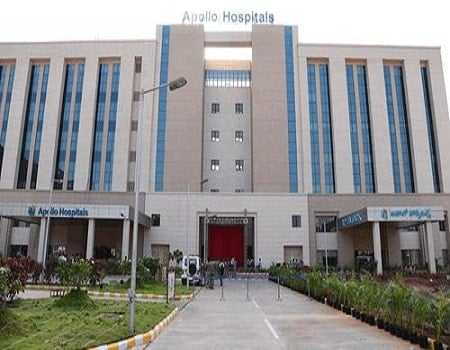
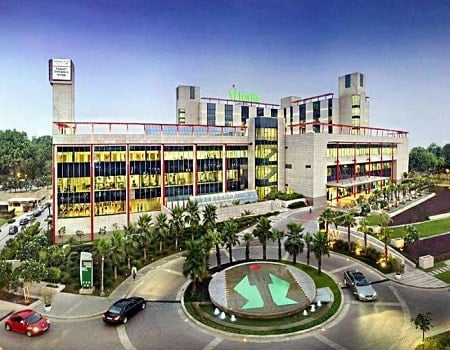
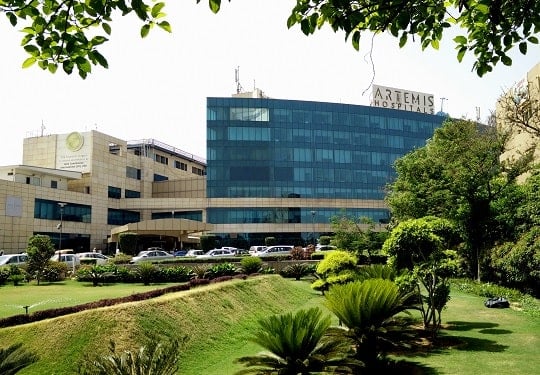
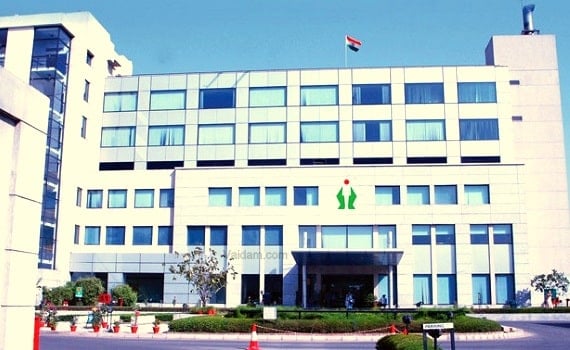
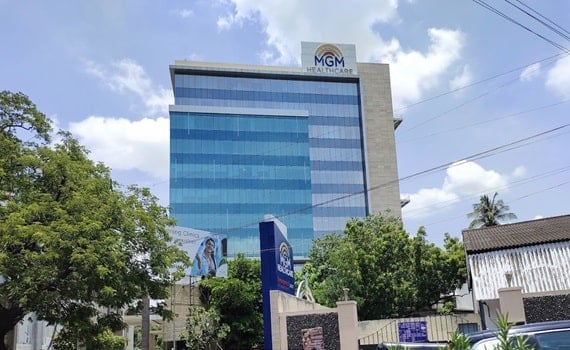
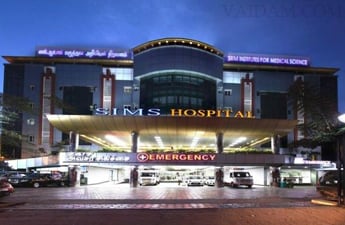
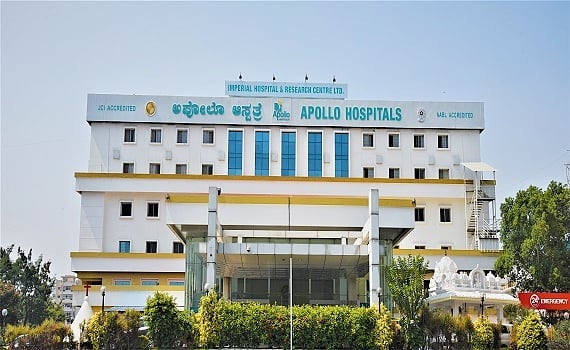
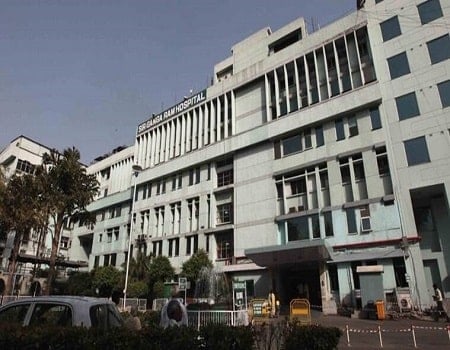
Recommended Hospitals for Musculoskeletal Deformities Treatment
Frequently Asked Questions Related to Musculoskeletal Deformities Treatment Cost in India
Most limb deformities can be corrected surgically. Some underlying causes, such as skeletal dysplasias, may lead to recurrence, so follow-up is needed in growing children.
Bow legs are common in toddlers and usually straighten by about two to three years; knock knees are common around ages three to six and usually improve. Persistent, severe or one-sided deformity should be assessed.
Small plates or screws placed across one side of a growth plate slow growth there, so the leg gradually straightens as the child grows. The implants are removed once the correction is achieved.
A computer-guided external frame with adjustable struts. The bone is cut, and daily strut adjustments correct angulation, rotation and length gradually.
Several months for the bone to heal fully. Frame treatment usually lasts a few months, depending on the size of correction.
Fractures that heal in the wrong position, arthritis, previous growth-plate injury, metabolic bone disease and some congenital conditions.
Musculoskeletal Deformities treatment in India typically ranges from $500 to $6,000 USD, depending on the hospital, city, and type of procedure.
Gradual correction with frames or lengthening nails costs more than guided growth or a single-stage osteotomy.
Yes. Vitamin D deficiency or other forms of rickets can cause bow legs or knock knees, and treating the cause may improve or prevent deformity.
Infection, nerve stretch, delayed bone healing, joint stiffness and under- or over-correction.
Yes. Physiotherapy keeps joints moving during and after correction and helps restore normal walking.
 Chat