

What Is the Cost of Non-Rechargeable Deep Brain Stimulation in Germany?
The cost of non-rechargeable deep brain stimulation in Germany typically ranges from $35,000 to $85,000 USD, depending on the hospital, city, and type of procedure.
Non-rechargeable deep brain stimulation uses a pulse generator with a primary battery that does not need charging, but must be replaced by a minor operation when it runs out. In Germany, the total depends on:
- Battery life: depends on how much energy the settings use.
- Replacement surgery: when the battery runs down.
- Device programming: over months after implantation.
- Initial DBS surgery: electrode placement and generator.
Rechargeable or Non-Rechargeable
A conference study by Runge and colleagues (MDS Congress 2016) found that rechargeable generators need fewer replacements and are smaller, but require charging skills and regular charging. Some patients switch back to non-rechargeable devices.
High-energy users may need a non-rechargeable battery replaced after about 2 years.
Our Services for Deep Brain Stimulation (non-rechargeable) in Germany
Transparent, professional support—without the hassles.
Book Doctor Appointment
Choose a specialist and schedule a convenient consultation.
Video or In-person Consultation
Consult remotely or meet your doctor directly at the hospital.
Compare Cost Estimates
Review transparent estimates from suitable hospitals.
Hospitalisation Support
Get coordinated assistance throughout your hospital stay.
 WhatsApp Us
Battery Replacement
The NHS Scotland leaflet notes that a non-rechargeable battery usually lasts 3 to 5 years. Replacement is a minor operation under general anaesthetic.
Rechargeable devices are also available, and the choice is discussed with the DBS team.
Non-Rechargeable DBS in Germany
International patients are usually treated in Germany as self-paying patients: the hospital reviews the medical reports, sends a cost estimate and asks for an advance payment before admission, then settles the final bill after discharge.
Inpatient hospital care in Germany is billed under the German DRG system, which depends on the main diagnosis, other diagnoses and the procedures carried out, so the final amount is known only after the stay.
Ask how battery replacement would be arranged in future and whether it could be done in your home country.
Top Hospitals in Germany
Recommended Hospitals for Deep Brain Stimulation (non-rechargeable)
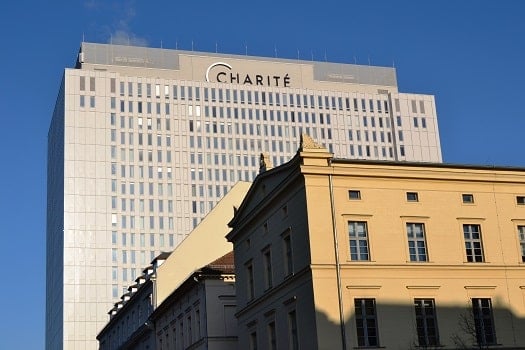





Frequently Asked Questions Related to Deep Brain Stimulation (non-rechargeable) Cost in Germany
It is DBS using a generator with a battery that does not need charging. The generator is replaced when the battery runs out.
The NHS Scotland leaflet says it usually lasts 3 to 5 years. High-energy settings can shorten this to about 2 years.
Replacement is a minor operation under general anaesthetic to swap the generator. The brain electrodes stay in place.
It avoids the need for regular charging, which suits people who may find charging difficult. The trade-off is periodic replacement surgery.
A conference study found rechargeable devices need fewer replacements and are smaller. They require charging skills and regular charging.
Yes, the Runge study reported that some patients switch back to non-rechargeable devices. Charging can be a burden for some people.
The cost of non-rechargeable deep brain stimulation in Germany typically ranges from $35,000 to $85,000 USD, depending on the hospital, city, and type of procedure.
Electrode placement is the same; the difference is the type of generator implanted. The DBS team advises which suits you.
Yes, higher stimulation settings use more energy and drain the battery faster. The team monitors battery levels at check-ups.
Replacement can often be done at another DBS centre, but check that it can support the specific device. Discuss this before the first operation.
 Chat