

What Is the Cost of CRT-D Implant in Germany?
The cost of CRT-D implant in Germany typically ranges from $18,000 to $42,000 USD, depending on the hospital, city, and type of procedure.
A CRT-D is a cardiac resynchronisation therapy device with a built-in defibrillator. It helps the heart's chambers pump together in heart failure and can give a shock if a dangerous rhythm occurs. In Germany, the total depends on:
- Device and leads: three leads are usually placed.
- Procedure complexity: positioning the left ventricular lead can take time.
- Hospital stay: often one night.
- Remote monitoring: home monitoring may be included or billed separately.
CRT-D devices are costly and prices differ between manufacturers, so ask whether the device is included in the estimate.
Who Benefits From CRT-D
Cardiff and Vale University Health Board explains that cardiac resynchronisation therapy is used for heart failure where the chambers do not contract in step. It is considered for people with moderate to severe symptoms, a weak pumping function and a particular pattern on the ECG.
A CRT-D combines this pacing with a defibrillator, while a CRT-P provides pacing alone. The cardiologist decides which is suitable.
Our Services for CRT- D Implant (Cardiac Resynchronization Therapy) in Germany
Transparent, professional support—without the hassles.
Book Doctor Appointment
Choose a specialist and schedule a convenient consultation.
Video or In-person Consultation
Consult remotely or meet your doctor directly at the hospital.
Compare Cost Estimates
Review transparent estimates from suitable hospitals.
Hospitalisation Support
Get coordinated assistance throughout your hospital stay.
 WhatsApp Us
The Implant and What Follows
Three leads are usually placed: one in the right atrium, one in the right ventricle and one through a vein on the surface of the heart (the coronary sinus) to pace the left ventricle.
Possible problems include infection, a lead moving out of position and stimulation of the nerve to the diaphragm, which can cause hiccups. Remote monitoring lets the team check the device between visits.
CRT-D Implantation in Germany
International patients are usually treated in Germany as self-paying patients: the hospital reviews the medical reports, sends a cost estimate and asks for an advance payment before admission, then settles the final bill after discharge.
Inpatient hospital care in Germany is billed under the German DRG system, which depends on the main diagnosis, other diagnoses and the procedures carried out, so the final amount is known only after the stay.
If remote monitoring will continue after you return home, check whether the device and monitoring system can be followed up by a clinic in your own country.
Top Doctors in Germany
Recommended Doctors for CRT- D Implant (Cardiac Resynchronization Therapy)














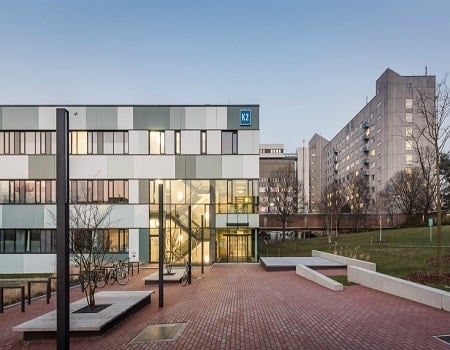
Top Hospitals in Germany
Recommended Hospitals for CRT- D Implant (Cardiac Resynchronization Therapy)














Frequently Asked Questions Related to CRT- D Implant (Cardiac Resynchronization Therapy) Cost in Germany
A CRT-D sends small signals to both lower chambers of the heart so that they pump together. It also contains a defibrillator that can treat dangerous fast heart rhythms.
A CRT-D includes a defibrillator, while a CRT-P provides resynchronisation pacing only. The choice depends on the risk of dangerous heart rhythms.
CRT is considered for heart failure with weak pumping function and chambers that do not contract in step, seen on the ECG. A cardiologist decides based on symptoms and test results.
Three leads are usually placed, including one through the coronary sinus to pace the left ventricle. Positioning this lead can make the procedure longer than a standard ICD implant.
It is usually implanted under local anaesthetic with sedation. Many people stay in hospital for one night.
Possible problems include infection, a lead moving out of position and stimulation of the diaphragm nerve, which can cause hiccups. Most can be managed by adjusting or repositioning the device.
The cost of CRT-D implant in Germany typically ranges from $18,000 to $42,000 USD, depending on the hospital, city, and type of procedure.
Many devices can send data to the clinic through a home monitor. This lets the team spot problems between routine visits.
Many people with suitable heart failure notice better breathing and energy after CRT, although results vary. Medicines are usually continued alongside the device.
Device costs form a large part of the bill and are usually included in the inpatient DRG billing. Ask the hospital to confirm this in writing before admission.
 Chat