

What is the Cost of Craniotomy Surgery in India?
The cost of craniotomy surgery is affordable in India as compared to other Western nations. The average cost of craniotomy in India may range from INR 2,00,000 to INR 8,00,000 for Indian patients, while it may cost USD 4500 to USD 9500 for International patients. This cost includes surgeon fees, anaesthesia charges, OT charges, medical consumables, and hospital stays for a specified number of days.
What is Craniotomy?
A craniotomy surgery involves removing part of the skull, or cranium, to access the brain. The bone is replaced when the surgery is done. The most common conditions that can be treated via this approach include brain tumours, aneurysms, arterio-venous malformations, subdural hematomas, etc.
Our Services for Craniotomy in India
Transparent, professional support—without the hassles.
Book Doctor Appointment
Choose a specialist and schedule a convenient consultation.
Video or In-person Consultation
Consult remotely or meet your doctor directly at the hospital.
Compare Cost Estimates
Review transparent estimates from suitable hospitals.
Hospitalisation Support
Get coordinated assistance throughout your hospital stay.
 WhatsApp Us
What are the Different Types of Craniotomy Surgeries?
Craniotomy surgeries can be categorised based on the specific techniques used, the location of the surgery, and the purpose of the procedure. Types of craniotomy surgeries include:
Frontal Craniotomy - Commonly performed for removing tumours, treating aneurysms, or accessing frontal lobe pathologies
Parietal Craniotomy - Typically used for removing parietal lobe tumours or treating epilepsy.
Temporal Craniotomy - Often performed to remove tumours, treat temporal lobe epilepsy, or for accessing certain aneurysms
Occipital Craniotomy - Usually for removing occipital lobe tumours or addressing occipital lobe lesions
Pterional (Frontotemporal) Craniotomy - Commonly used for aneurysm clipping, tumour removal, or vascular malformations
Suboccipital Craniotomy - Used for treating brainstem or cerebellar tumours, Chiari malformations, and other pathologies in the posterior fossa
Bifrontal Craniotomy - Performed to remove large tumours or lesions that span both frontal lobes
Keyhole (Minimally Invasive) Craniotomy - Used for certain aneurysms, tumours, or biopsy procedures, aiming to reduce recovery time and minimise complications
Endoscopic Craniotomy - For certain types of tumours, cysts, or pituitary adenomas, allowing for less invasive access
Stereotactic Craniotomy - Used for biopsy, tumour removal, or treating epilepsy, providing high precision and accuracy
Awake Craniotomy - Often used for removing tumours near critical brain areas to monitor and preserve neurological functions like speech and movement
Orbital Craniotomy - Typically for treating tumours or aneurysms located near the eye or the base of the skull
Each type of craniotomy is chosen based on the specific location and nature of the brain pathology. The goal is to maximise the effectiveness of the surgery while minimising risks and potential complications.
What are the Factors Affecting the Cost of Craniotomy Surgery in India?
Craniotomy surgery cost in India varies depending on several factors, including the type of surgery, hospital, surgeon's expertise, etc. The final cost of craniotomy varies depending on the following aspects:
Hospital Type and Location
The cost of healthcare can vary greatly between cities. Metropolitan cities like Mumbai, Delhi, and Bangalore often have higher costs compared to smaller cities or towns.
Complexity of the Surgery
The complexity of the surgery plays a significant role. More complex cases requiring advanced techniques or longer operating times will be more expensive.
Pre-Operative and Post-Operative Care
Costs associated with pre-operative diagnostics (like MRI, CT scans, and other lab tests) and post-operative care (including ICU stay, follow-up consultations, and rehabilitation) can add to the total cost.
Type of Craniotomy Surgery
Different types of craniotomy might have different cost structures based on the equipment and expertise required.
Duration of Hospital Stay
The length of the hospital stay, including ICU and general ward charges, affects the overall cost. Longer stays increase the total expenditure.
Technology and Equipment Used
The use of advanced medical equipment and technology, such as neuronavigation systems, intraoperative MRI, or advanced monitoring systems, can raise the cost.
Medications and Consumables
The cost of medications, surgical consumables, and any special medical devices or implants used during the surgery.
Additional Treatments or Complications
Any additional treatments required due to complications or comorbid conditions can increase the overall cost.
Understanding these factors may help you prepare for the aspects of craniotomy surgery price in india. It is advisable to discuss all potential costs with your doctor to avoid unexpected expenses.
What is the Cost of Diagnostic Tests Required Before Undergoing Craniotomy?
Before craniotomy surgery, you will meet with your surgeon, who will carefully plan the procedure. Several diagnostic tests are typically required to ensure the procedure is necessary, plan the surgery accurately, and minimise risks. The cost of these diagnostic tests is INR 15,000 to INR 20,000 for Indian patients while it costs USD 250 to USD 300 for international patients.
You may need the following tests before a craniotomy:
Blood Tests
Imaging Tests (MRI, CT scan)
Electroencephalogram (EEG)
Electrocardiogram (ECG or EKG)
Neurological Examination
These diagnostic tests help the medical team gather critical information about the patient's patient's brain condition, overall health, and potential risks, enabling them to plan and perform the craniotomy with the highest degree of safety and precision.
What are the Pre-Surgical and Post-Surgical Expenses of a Craniotomy?
A craniotomy is a surgical procedure that repairs a bone defect in the skull. The pre-surgical and post-surgical expenses for craniotomy may vary on factors such as the complexity of the case, the specific healthcare facility, etc. Here is an overview of typical expenses associated with craniotomy:
Pre-Surgical Expenses:
Consultations: INR 1500 - INR 3,000 (USD 20 - USD 50)
Evaluation: INR 15,000 - INR 20,000 (USD 250 - USD 300)
Post-Surgical Expenses:
Follow-up consultations: INR 1,500 - INR 3,000 (USD 20 - USD 50)
Medications and pre-operative physicals: INR 2,000 - INR 10,000 (USD 50 - USD 120) per month
It is important for patients to discuss with their doctors to get a detailed estimate of the expected costs and understand their coverage.
Does Health Insurance Cover the Cost of Craniotomy Surgery?
In India, health insurance policies cover medical treatments, including craniotomy surgery. However, the extent of coverage and the specific terms can vary depending on the insurance provider and the policy details.
It is essential to verify the specifics of your policy, as coverage typically includes expenses like hospital stays, surgeon's fees, and anaesthesia fees. Detailed understanding and active communication with your insurance provider can help ensure that you receive the maximum possible coverage for these surgeries.
Top Doctors in India
Recommended Doctors for Craniotomy

Dr. Siddhartha Ghosh
Senior Consultant
NeurosurgeonApollo Proton Cancer Centre, Chennai













Top Hospitals in India
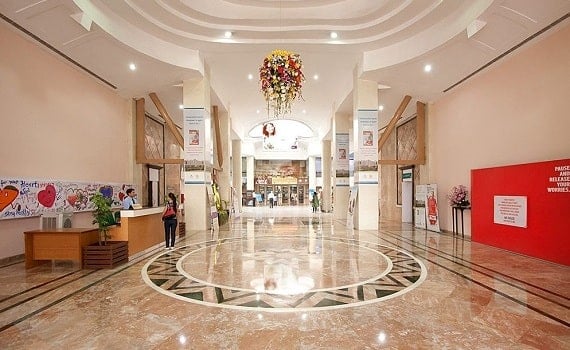
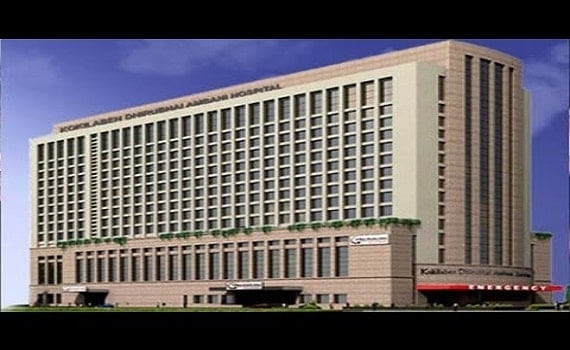
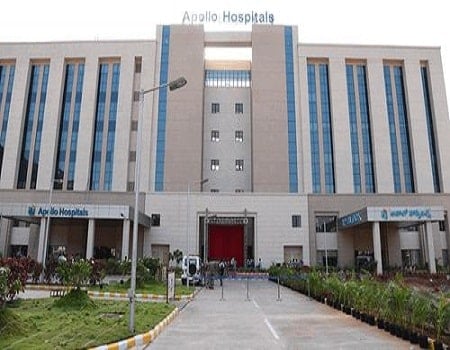
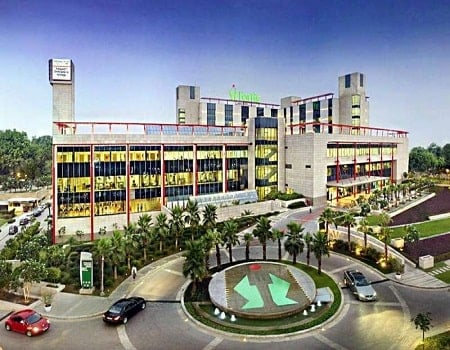
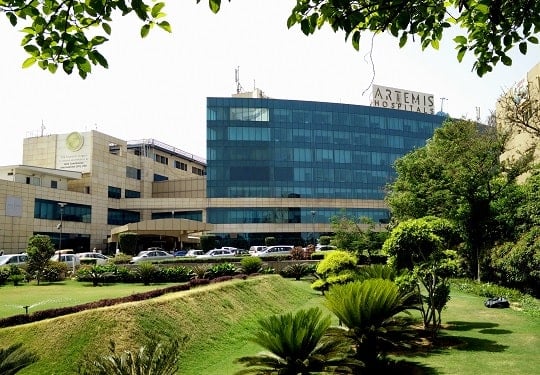
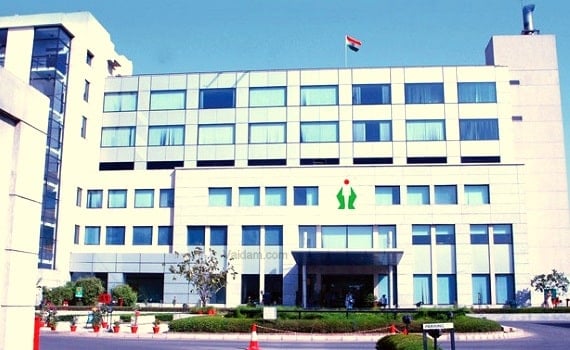
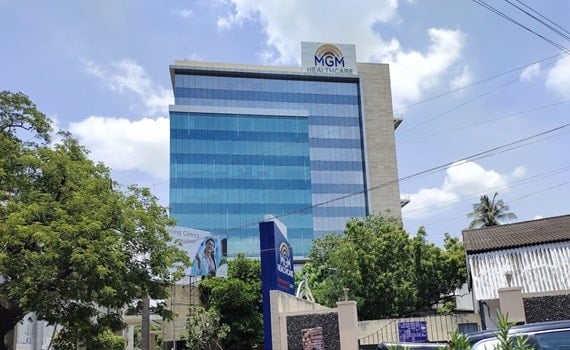
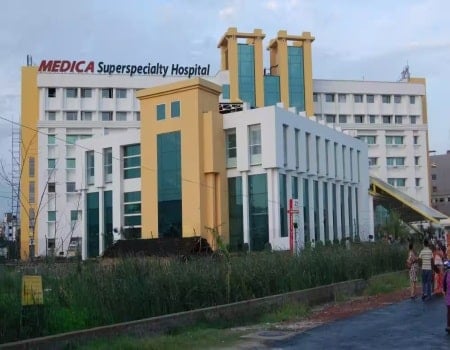
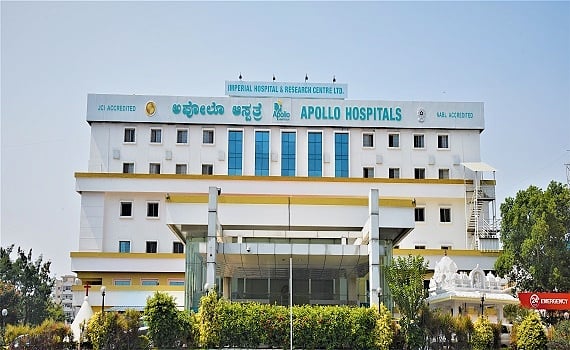
Recommended Hospitals for Craniotomy

Frequently Asked Questions Related to Craniotomy Cost
Before a craniotomy, your doctor may request blood tests, an MRI, an ECG, an X-ray, or a Brain CT scan. The whole cost of craniotomy therapy generally includes diagnostic and surgical procedures.
When a patient is in the hospital, the pharmacy and prescription expenses are included in the package. However, if the patient purchases medications outside of the hospital, they are not covered by the package.
The average hospital stay for individuals undergoing craniotomy for a brain tumor is three to four days. Patients who experience surgical complications may be asked to remain longer. They will also require follow-up testing, such as an MRI, CT scan, and blood tests, for the first year following the craniotomy, which won’t be a part of the package price.
Surgery recovery might take 4 to 8 weeks. Your wounds may be sore for up to 5 days after surgery. For a few days, the patient may feel weary. The follow-ups and medications utilized for pain reliving will be an additional cost.
Yes, most health insurance policies cover the expense of brain surgery. They pay for medical expenditures incurred during hospitalization, ICU charges, pre-hospitalization, and ambulance services following brain surgery.
Other treatments may be advised as alternatives to a craniotomy in rare cases. Some brain cancers can be treated using stereotactic radiosurgery, which involves delivering extremely accurate beams of radiation straight to the tumor without the need for a surgical incision.
Everything You Need to Know About Craniotomy: Q&A
Before the Procedure · 14 Questions
To remove a brain tumor, a neurosurgeon makes an opening in the skull. This operation is called a craniotomy. Whenever possible, the surgeon attempts to remove the entire tumor.
If the tumor cannot be completely removed without damaging vital brain tissue, your doctor may remove as much of the tumor as possible.
The malignancy of the tumor can only be established post osteopathy of the tumor sample. IF it turns out to be cancerous, the additional treatment protocol may be advised.
One is not allowed to eat or drink anything before a craniotomy surgery.
The patient should stop taking blood-thinning medications. He should also stop taking medicines like Clopidogrel, Plavix, and Warfarin.
It depends upon the osteopathy reports of the tumor sample.
To remove a brain tumor, a neurosurgeon makes an opening in the skull. This operation is called a craniotomy. Whenever possible, the surgeon attempts to remove the entire tumor. If the tumor cannot be completely removed without damaging vital brain tissue, your doctor may remove as much of the tumor as possible.
Yes it is true, awake craniotomy is usually done in those patients who have lesions in critical areas. But with advances in imaging/ surgery and brain mapping it is not used these days. Of course in places where such equipment is not available, it can be done. It difficult in many patients because of patient has to understand and be mature enough to lie still for 4 hours or so It is slightly uncomfortable too
The malignancy of the tumor can only be established post histopathy of the tumor sample. IF it turns out to be cancerous, additional treatment protocol may be advised.
One is not allowed to eat or drink anything before a craniotomy surgery.
The patient should stop taking blood-thinning medications. He should also stop taking medicines like Clopidogrel, Plavix and Warfarin.
Craniotomy is the surgery to remove the part of bone from skull for exposing the brain, the bone flap is being temporarily removed and then replaced after brain surgery.
Yes, Craniotomy is a serious surgery, it involves temporary removal of bone from the skull to repair in the brain. The procedure has various risks which makes it a serious surgery.
Craniotomy has got several risks such as bleeding and infection just like other type of brain cancer surgery.
Craniotomy is done to treat various conditions such as brain tumors, traumatic brain injury, hemorrahage, aneursysms. Damaged tissue, abscesses, epilepsy and facial pain.
During the Procedure · 6 Questions
5 days in the hospital.
The patient has to stay in the ICU for at least a night or two depending on the progress of his/her condition post-surgery. IVs, monitors and bladder catheters are removed in the morning following the surgery.
The patient is allowed to eat a normal breakfast and he/she can walk on the first day after the surgery.
The patient has to stay in the ICU for at least a night or two depending on the progress of his/her condition post surgery. IVs, monitors and bladder catheters are removed on the morning following the surgery. The patient is allowed to eat a normal breakfast and he/she can walk on the first day after the surgery.
It will take around three to five hours to do craniotomy, if you are undergoing regular craniotomy.
Your doctor will explain you about all these. You need to undergo blood test, diagnostic test and neurological examination before the surgery.
Skin incisions are usually made behind the hairline. A hair sparing technique is used, where only a 1/4-inch wide area along the proposed incision is shaved. The skin and muscles are lifted off the bone and folded back. Next, small burr holes are made in the skull with a drill. Similar to using a jigsaw, the surgeon cuts an outline of a bone window .The cut bone flap is lifted and removed to expose the protective covering of the brain and the bone flap is safely set aside and will be replaced at the end of the surgery. The dura is opened to expose the brain. Varieties of small instrument are used to work deep inside brain, after the problem has been removed or repaired, any retractors are removed, and the dura is closed with sutures. The bone flap is put back in its original position and secured to the skull with titanium plates and screws (Fig. 5). The plates and screws remain permanently to support the area. At last muscles and the skin are sutured back.
Post the Procedure · 10 Questions
Walking and taking personal care is allowed after a day of the craniotomy surgery. Strenuous activities like work-outs, lifting heavy weights and strong exertions should be avoided for at least four to six weeks.
There is no such restriction on the neck movement.
It depends on the occupation of the patient. Strenuous work is best avoided for longer periods until his/her physical strength is regained. Normally, patients are allowed to resume their work after two to four weeks post-surgery.
Walking and taking personal care is allowed after a day of the craniotomy surgery. Strenuous activities like work-outs, lifting heavy weights and strong exertions should be avoided for at least four to six weeks.
There is no such restriction on the neck movement.
It depends on the occupation of the patient. Strenuous work are best avoided for longer periods until his/her physical strength is regained. Normally, patients are allowed to resume their work after two to four weeks post surgery.
It will take around 4 to 8 weeks to recover from surgery, you will feel tired for several weeks after surgery, you may also have some headache and problems in concentrating. The cuts will be sore for about five days after surgery.
Some of the side effects of Craniotomy are scars, injury in head region, facial nerve damage, infection of the bone flap or skin, seizures and brain swelling.
Craniotomy requires hospital stay of about three to seven days. The stay in hospital depends on your condition.
The risk of rare and it has the potential to interfere with memory, speech, vision, muscle control, coordination an balance. Other potential risks that are specifically associated with brain surgery include coma, blood clots, hemorrhaging or swelling of the brain, stroke and seizures.
 Chat
Chat